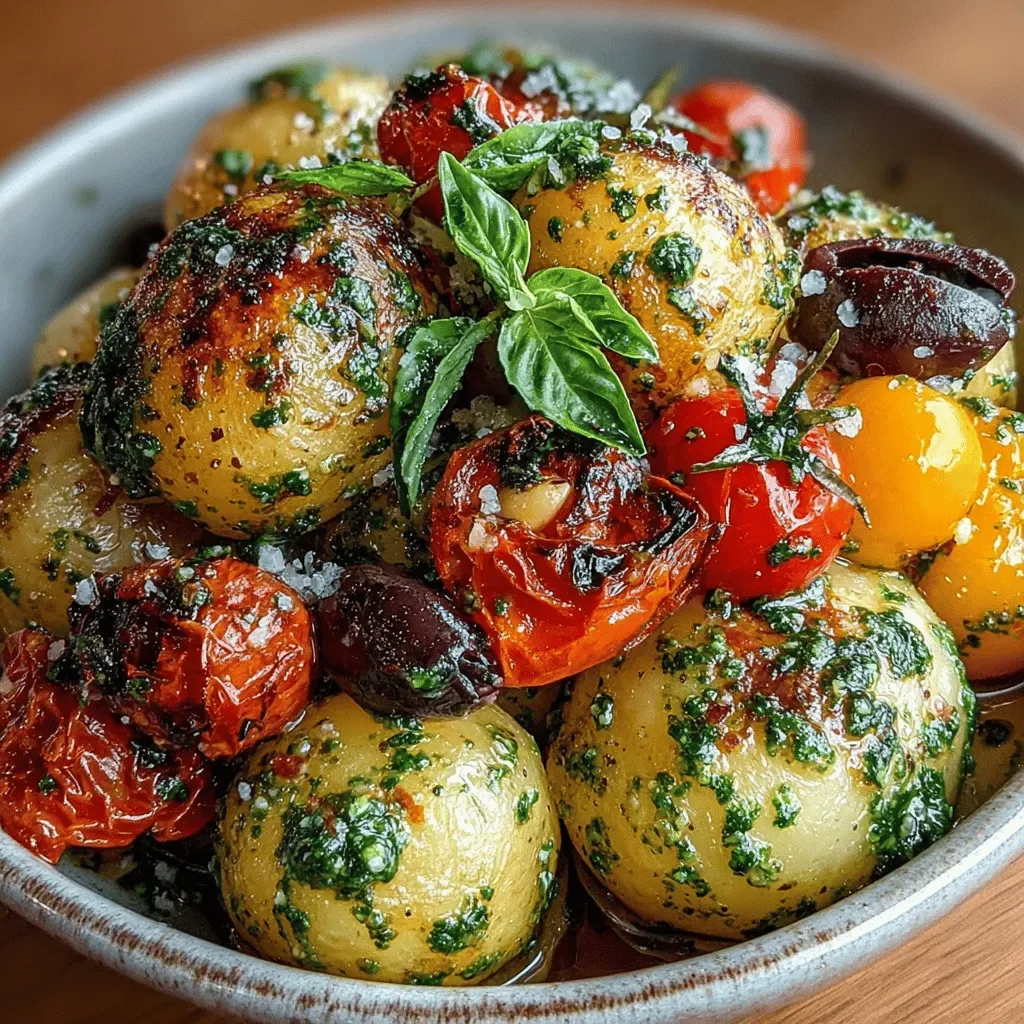
I still remember the first time I sliced a sun‑kissed tomato on a lazy Saturday afternoon, the knife gliding through the flesh with a satisfying thud that echoed the rhythm of my heartbeat. The kitchen was alive with the sweet, earthy perfume of ripe fruit, and the bright red circles on the cutting board looked like tiny sunrise moons waiting to be transformed. As the juices pooled on the plate, my grandmother whispered a secret about letting the tomatoes rest just long enough to soak up the flavors of herbs and oil—a trick she swore by for decades. That moment sparked a love affair with fresh, simple salads that celebrate the ingredients themselves, and today I’m sharing that very same love in a dish that can be assembled in just six minutes.
Imagine a summer garden in a bowl: thick, juicy tomato rounds, the sharp bite of thinly sliced red onion, and a shower of fragrant basil and parsley that dance together like a chorus of green notes. The dressing is a whisper of olive oil and balsamic vinegar, bright enough to lift the flavors but gentle enough to let the natural sweetness of the tomatoes shine through. When you toss everything together, the colors meld into a vibrant mosaic that looks as good as it tastes, and the first forkful releases a burst of sunshine that instantly transports you to a sun‑drenched patio. It’s the kind of salad that makes you pause, close your eyes, and savor the moment, because good food isn’t just fuel—it’s an experience.
What makes this recipe truly special is its elegance: there are no complicated techniques, no exotic ingredients, just a handful of pantry staples and the freshest produce you can find. In under ten minutes you’ll have a dish that feels like a celebration, perfect for a quick lunch, a side for dinner, or a centerpiece for a brunch spread. And here’s the hook—there’s a secret trick hidden in step four that will elevate the texture and flavor to restaurant‑level perfection, something I discovered by accident when I over‑dressed a salad and realized the magic of letting it sit for a moment.
Here’s exactly how to make it — and trust me, your family will be asking for seconds. The steps are simple, the ingredients are straightforward, and the result is a fresh, delicious salad that feels like a gift to your taste buds. Ready to dive in? Let’s explore why this recipe works so well, break down each ingredient, and then walk through the process step by step.
🌟 Why This Recipe Works
- Flavor Depth: The combination of ripe tomatoes with a touch of balsamic creates a sweet‑tart balance that excites the palate without overwhelming it. Each bite delivers layers of taste, from the juicy fruit to the subtle acidity of the vinegar.
- Texture Harmony: Thick tomato slices provide a buttery mouthfeel, while the crisp onion adds a gentle snap, and the herbs contribute a delicate, almost silky finish. This contrast keeps every forkful interesting.
- Ease of Preparation: No cooking, no heating, just chopping, mixing, and tasting. You can have a complete, satisfying side dish ready faster than you can set the table.
- Time Efficiency: At just six minutes of active work, this salad fits perfectly into busy mornings or last‑minute dinner plans, making it an ideal go‑to for anyone short on time.
- Versatility: The base is adaptable; you can swap herbs, add cheese, or toss in nuts for extra crunch, turning it into a different dish each time you make it.
- Nutrition Boost: Tomatoes are packed with lycopene, vitamin C, and potassium, while fresh herbs provide antioxidants, making this salad both tasty and health‑forward.
- Ingredient Quality: Because the recipe relies on a few simple components, using the best possible tomatoes and fresh herbs makes a world of difference in flavor.
- Crowd‑Pleasing Factor: The bright colors and fresh taste appeal to both kids and adults, and the light dressing keeps it suitable for a wide range of dietary preferences.
🥗 Ingredients Breakdown
The Foundation: Tomatoes
The star of this salad is undeniably the tomato, and choosing the right kind can transform a simple dish into a masterpiece. Look for tomatoes that are firm yet slightly yielding to the touch, with a deep, uniform color that signals ripeness. Heirloom varieties add visual intrigue with their speckled skins, while vine‑ripe beefsteak tomatoes bring a buttery texture that holds up well when sliced thick. If you’re shopping at a farmer’s market, ask the vendor for the freshest batch; they often know which tomatoes were picked that morning. Tip: Slice the tomatoes into rounds about a half‑inch thick to ensure each bite has a satisfying heft.
Aromatics & Spices: Onion and Herbs
Red onion contributes a mild, sweet sharpness that cuts through the tomato’s natural sweetness, adding a subtle bite without overpowering. Slice it thinly so it softens quickly in the dressing, releasing its fragrant oils. Fresh basil brings an aromatic, peppery note that is instantly recognizable, while parsley adds a bright, grassy freshness that lifts the entire composition. When selecting herbs, look for deep green leaves without brown edges; they’ll retain their flavor and color longer. Pro tip: Give the herbs a quick massage with your fingertips before chopping; this releases essential oils and intensifies their aroma.
The Secret Weapons: Olive Oil & Balsamic Vinegar
A high‑quality extra‑virgin olive oil provides a fruity, slightly peppery base that coats the vegetables without making them soggy. The oil’s richness helps to bind the flavors together, while the balsamic vinegar adds a tangy sweetness that brightens the dish. Use a balsamic that’s aged for a richer, more complex flavor; a cheap, overly sharp vinegar can dominate the salad. When you drizzle the dressing, aim for a thin, even coating that glistens on the tomato surface, hinting at the layers to come.
Finishing Touches: Salt & Pepper
Seasoning is the final act that brings all components into harmony. A pinch of sea salt amplifies the natural sweetness of the tomatoes and helps the herbs release their fragrance. Freshly cracked black pepper adds a gentle heat that lingers on the palate, rounding out the flavor profile. Remember, you can always add more, but you can’t take it away—so start modestly and taste as you go. Remember: The right amount of seasoning can turn a good salad into an unforgettable one.
With your ingredients prepped and ready, let's get cooking. Here's where the fun really begins...
🍳 Step-by-Step Instructions
Start by washing the tomatoes under cool running water, patting them dry with a clean kitchen towel. Slice each tomato into thick, round pieces about half an inch in height, letting the juices pool in the bowl—this natural moisture will later mingle with the dressing. As you arrange the slices, notice the varying shades of red, orange, and even a hint of yellow if you’re using heirloom varieties; it’s like painting a fresh, edible masterpiece. Pro Tip: If you want an extra burst of flavor, sprinkle a pinch of flaky sea salt on the slices right after cutting.
Next, peel the red onion and slice it as thinly as possible, aiming for translucent ribbons that will soften quickly. Place the onion slices in a small bowl and cover them with cold water for about two minutes; this quick soak mellows the sharp bite and adds a subtle crispness. While the onions rest, you’ll hear the faint sound of water sloshing—a tiny reminder that even simple steps have their own rhythm. Drain the onions and pat them dry before adding them to the salad bowl.
Gather your fresh herbs and give them a quick rinse, then spin them dry in a salad spinner or pat them gently with a paper towel. Roughly chop the basil and parsley, keeping the pieces small enough to distribute evenly but large enough to release their fragrant oils. As you chop, the aroma of basil will fill the kitchen, evoking memories of summer picnics and backyard barbecues. Pro Tip: Toss the herbs together in a separate bowl before adding them to the salad; this ensures an even coating.
In a small mixing bowl, whisk together the olive oil and balsamic vinegar until they emulsify into a glossy, amber‑colored dressing. Add a pinch of salt and a few cracks of black pepper, then whisk again to incorporate the seasoning. The dressing should have a slight sheen, indicating the oil and vinegar have combined properly—think of it as the glue that will bring all the flavors together. Taste a tiny drop; if it feels too sharp, add a splash more olive oil to mellow it out.
Now comes the assembly: arrange the tomato slices on a large serving platter, overlapping them slightly for a rustic look. Scatter the thin onion ribbons over the tomatoes, allowing the layers to peek through like delicate veils. Sprinkle the chopped basil and parsley evenly across the top, letting the green specks pop against the red backdrop. At this point, the salad already looks like a garden in full bloom, but we’re not done yet.
Drizzle the prepared dressing slowly over the entire salad, using a spoon or a small pourer to control the flow. As the liquid meets the tomatoes, you’ll hear a soft sizzle—a subtle sound that tells you the oil is coating the fruit beautifully. Gently toss the salad with two large spoons, being careful not to crush the tomato rounds; you want each slice to stay intact while being lightly coated. This gentle toss is where the magic happens, as the dressing clings to the vegetables, creating a harmonious blend of flavors.
Give the salad a final taste test. Look for a balance of acidity, salt, and pepper—if the tomatoes need a touch more brightness, add a few extra drops of balsamic. The texture should be a perfect marriage of juicy tomato, crisp onion, and tender herbs, all lightly kissed by the dressing. Once satisfied, serve the salad immediately, or cover it loosely with plastic wrap and let it sit for up to 15 minutes for an even deeper flavor infusion. The result is a vibrant, fresh dish that sings with every bite.
And there you have it! But before you dig in, let me share some tips that will take this from great to absolutely unforgettable...
🔐 Expert Tips for Perfect Results
The Taste Test Trick
Always taste your dressing before you pour it over the salad. A quick sip will reveal if the acidity is too sharp or if the oil needs a little more seasoning. Adjust with a pinch more salt or a drizzle of extra virgin olive oil, then whisk again. This small step ensures the final dish is perfectly balanced and prevents any one flavor from dominating.
Why Resting Time Matters More Than You Think
Allowing the salad to sit for a couple of minutes after tossing lets the tomatoes absorb the vinaigrette, creating a deeper, more cohesive flavor. The herbs also have time to release their essential oils, turning a simple garnish into a flavor powerhouse. I once served this salad straight away and noticed it tasted a bit flat; after giving it five minutes, the difference was night and day.
The Seasoning Secret Pros Won’t Tell You
A dash of flaky sea salt added at the very end can give a subtle crunch that elevates the texture. Additionally, a pinch of smoked paprika or a few shavings of Parmesan can add an unexpected depth without overwhelming the fresh ingredients. These tiny additions are the little secrets chefs keep in their back pockets to make a dish feel restaurant‑grade.
Balancing Acidity with Sweetness
If your balsamic vinegar is particularly sharp, balance it with a tiny drizzle of honey or a pinch of sugar. This tiny sweet note will round out the acidity, making the dressing feel smoother on the palate. I discovered this trick when a friend complained the salad was too tangy; a spoonful of honey solved the issue instantly.
Choosing the Right Olive Oil
Not all olive oils are created equal. Look for a cold‑pressed, extra‑virgin variety with a fruit‑forward flavor profile. The oil should have a slight peppery finish that complements the tomatoes without masking their natural sweetness. Investing in a good oil pays off in every fresh salad you make.
🌈 Delicious Variations to Try
One of my favorite things about this recipe is how versatile it is. Here are some twists I've tried and loved:
Mediterranean Twist
Add crumbled feta cheese and a handful of Kalamata olives for a salty, briny contrast. The creamy feta pairs beautifully with the sweet tomatoes, while the olives introduce a robust, earthy note that transports you straight to a Greek seaside tavern.
Asian Fusion
Swap the balsamic for a light soy‑ginger dressing and sprinkle toasted sesame seeds over the top. The umami from the soy and the nutty crunch of the sesame give the salad an entirely new flavor profile that’s fresh yet comforting.
Summer Berry Burst
Toss in a handful of sliced strawberries or fresh raspberries for a sweet‑tart surprise. The berries add a pop of color and a juicy burst that complements the acidity of the tomatoes, creating a delightful contrast.
Protein‑Packed
Top the salad with grilled chicken strips or a scoop of chickpeas for added protein. This turns the dish into a complete meal, perfect for a light lunch that keeps you energized throughout the afternoon.
Herb Garden Remix
Introduce fresh mint and dill alongside the basil and parsley for a fragrant, garden‑fresh twist. The mint adds a cooling sensation, while the dill offers a subtle anise flavor that brightens the overall taste.
Crunch Factor
Add toasted pine nuts or crushed walnuts for an extra layer of texture. The nuts bring a buttery crunch that contrasts nicely with the soft tomato slices, making each bite more interesting.
📦 Storage & Reheating Tips
Refrigerator Storage
Store any leftovers in an airtight container lined with a piece of parchment paper to absorb excess moisture. The salad will stay fresh for up to 24 hours, though the tomatoes may release more juice over time, slightly softening the texture. To revive the crispness, give it a quick drizzle of olive oil and a pinch of fresh salt before serving again.
Freezing Instructions
Freezing this salad isn’t recommended because the high water content in tomatoes turns mushy when thawed. However, you can freeze the dressing separately in ice‑cube trays for up to three months; just thaw a cube or two when you need a quick vinaigrette for another dish.
Reheating Methods
If you prefer a warm version, gently warm the tomatoes in a skillet for 2‑3 minutes with a splash of olive oil—just enough to bring out their natural sweetness without cooking them fully. Add the onion and herbs after the tomatoes have warmed, then finish with a quick drizzle of fresh dressing to keep the flavors bright. The trick to reheating without drying it out? A splash of olive oil and a brief, low‑heat warm‑up.