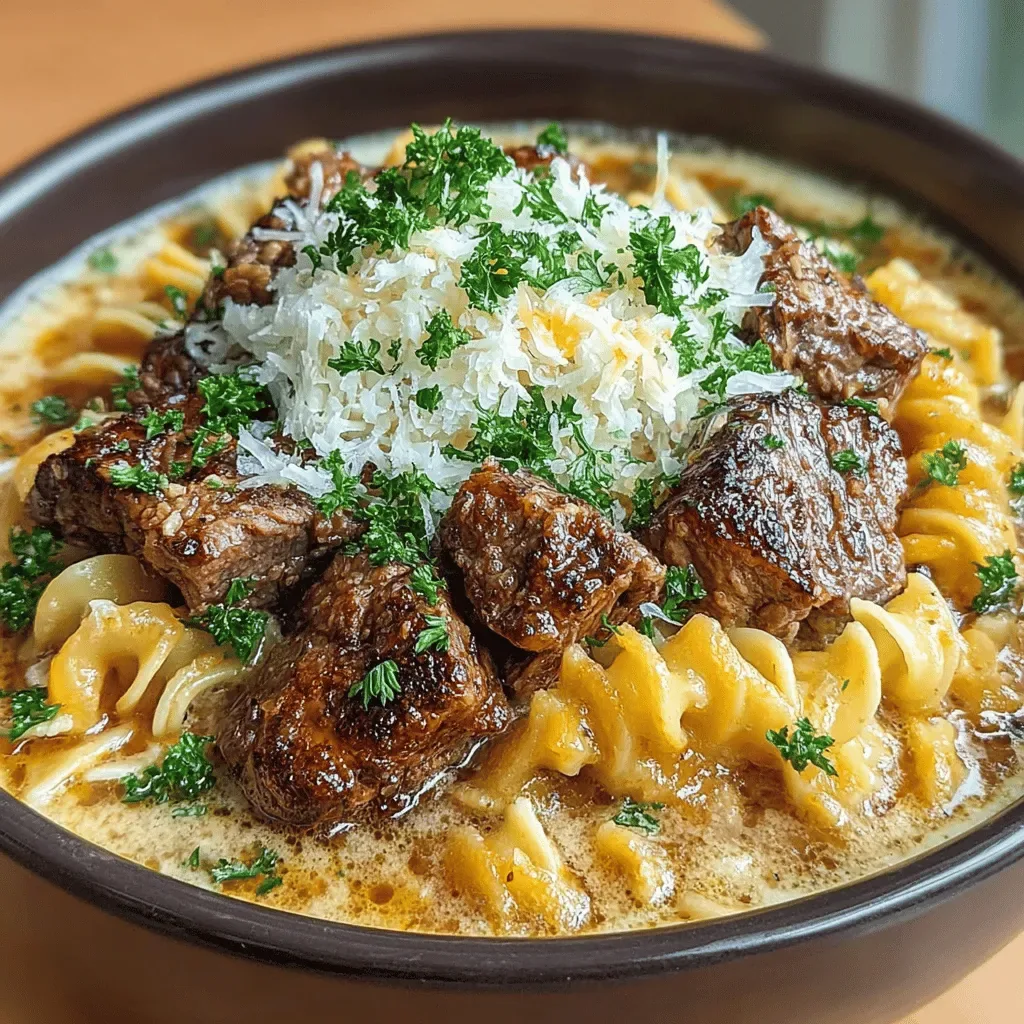
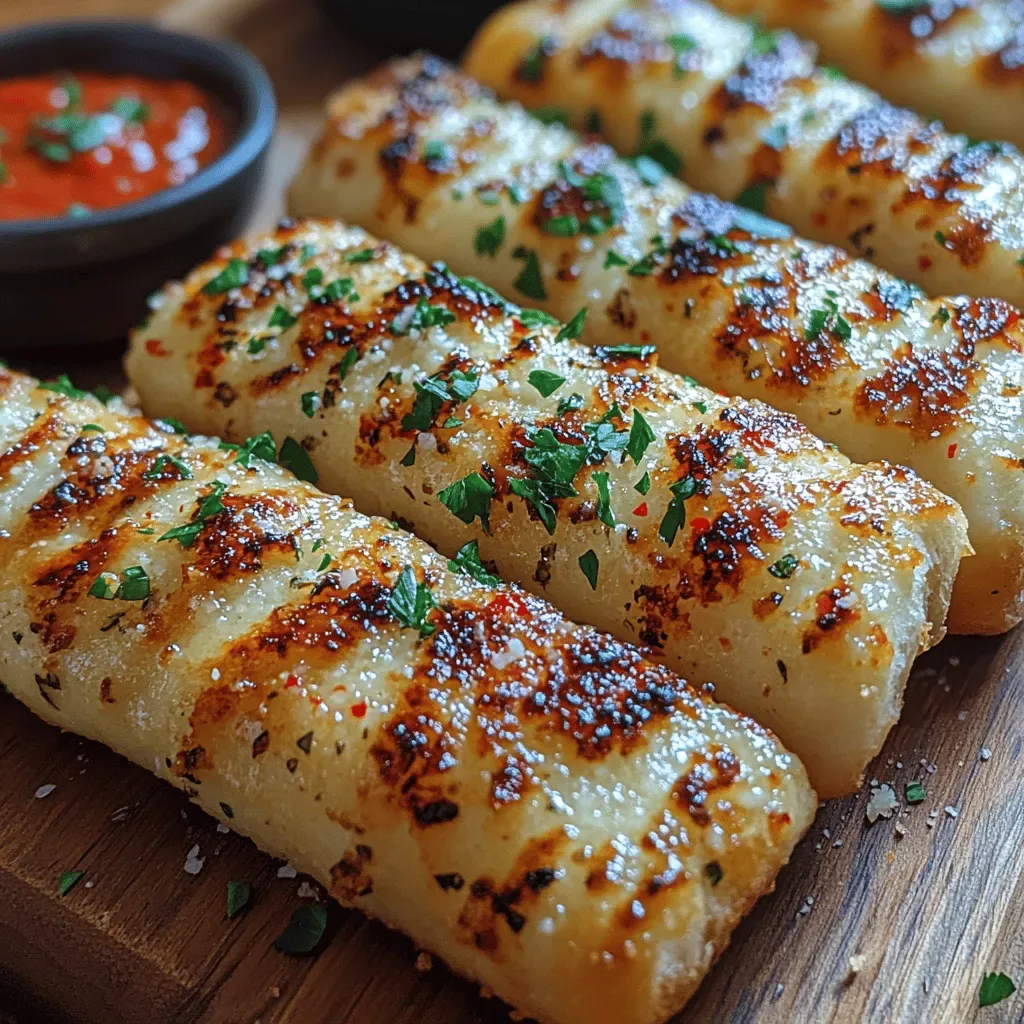
It was a rainy Saturday afternoon, the kind where the clouds press low against the kitchen window and the scent of fresh rain mixes with the aroma of simmering sauce. I was standing over a pot of boiling water, listening to the gentle hiss as the spaghetti swirled, when I realized that the perfect companion to that silky pasta was missing: a golden, buttery loaf that could soak up every droplet of garlic‑infused oil. The moment I spread the first layer of garlic butter on the crust, the kitchen filled with an intoxicating perfume that made my stomach rumble louder than the thunder outside. That was the birth of my “Spaghetti Garlic Bread” ritual—a dish that turned a simple weeknight dinner into a celebration of comfort and flavor.
What makes this recipe stand out isn’t just the combination of two classics; it’s the way each element is treated with respect and intention. The spaghetti is cooked al dente, tossed in a silky olive‑oil and garlic sauce, then crowned with fresh parsley and a generous snowfall of Parmesan. Meanwhile, the Italian loaf is transformed into a crunchy‑soft masterpiece, brushed with a garlic‑butter blend that crackles in the oven and releases a caramelized perfume that could coax even the most stoic eater to a smile. Imagine the first bite: the snap of toasted crust, the melt‑in‑your‑mouth butter, and the twirl of pasta that carries the same garlicky kiss. It’s a duet that sings on the palate.
But here’s the thing: most people think you need a fancy kitchen or exotic ingredients to achieve that restaurant‑level wow factor. The truth is, the secret lies in a few simple techniques and a handful of high‑quality staples that you probably already have in your pantry. From the exact amount of salt that seasons the pasta water to the precise moment you fold the parsley into the sauce, every detail matters. And trust me, there’s a hidden trick in step four that will make your garlic bread unbelievably fluffy on the inside while staying perfectly crisp on the outside. Curious? You should be, because the payoff is worth every second you spend.
Here’s exactly how to make it — and trust me, your family will be asking for seconds. Follow each step, pay attention to the sensory cues, and you’ll end up with a dish that feels like a warm hug on a plate. Ready to dive in? Let’s roll up those sleeves and start the journey to a dinner that will become a new family favorite.
🌟 Why This Recipe Works
- Flavor Depth: By sautéing garlic in extra‑virgin olive oil before tossing it with the pasta, you create a base that’s both aromatic and richly flavored. The oil carries the garlic’s essential oils, coating each strand of spaghetti and ensuring every bite bursts with that unmistakable garlicky perfume.
- Texture Contrast: The al dente spaghetti provides a pleasant chew, while the garlic bread offers a crunchy crust and a buttery, tender crumb. This contrast keeps the palate engaged from the first forkful to the last morsel of crust.
- Ease of Execution: The recipe uses only one pot for the pasta and one sheet pan for the bread, minimizing cleanup. Even a beginner can juggle both components without feeling overwhelmed.
- Time Efficiency: While the pasta cooks, the bread bakes, so you’re essentially doing two things at once. The total active time stays under 45 minutes, making it perfect for busy weeknights.
- Versatility: You can easily tweak the heat level with red pepper flakes, swap parsley for basil, or add a splash of lemon juice for brightness. The core technique remains the same, but the flavor profile can shift to match any craving.
- Nutrition Balance: Whole‑grain spaghetti or durum wheat brings complex carbs, while the modest amount of butter and Parmesan adds healthy fats and protein. Paired with fresh herbs, the dish feels satisfying without being heavy.
- Crowd‑Pleasing Factor: Garlic is a universal love language in the kitchen. Even picky eaters who shy away from vegetables often can’t resist the aromatic allure of garlic‑buttered bread.
- Ingredient Quality: Using high‑quality olive oil, fresh garlic, and a crusty Italian loaf elevates the dish from ordinary to extraordinary. The difference is noticeable in both taste and aroma.
🥗 Ingredients Breakdown
The Foundation
The star of the show is the 1 pound of spaghetti. I prefer durum wheat because it holds its shape and offers a satisfying bite, but any good quality pasta will work. Pair it with 4 quarts of water and 2 tablespoons of salt – the salt seasons the pasta from the inside out, ensuring each strand is flavorful before it even meets the sauce.
Aromatics & Spices
Fresh garlic is the hero here. We use 6 cloves minced for the pasta sauce and another 8 cloves minced for the garlic butter, because double the garlic means double the joy. The optional 1/2 teaspoon red pepper flakes adds a subtle heat that balances the richness of the butter, while salt and freshly ground black pepper let you fine‑tune the seasoning to your taste.
The Secret Weapons
Fresh parsley, chopped 1/4 cup for the pasta and another 1/4 cup for the butter, injects a bright, herbaceous note that cuts through the buttery richness. The 1/4 cup grated Parmesan cheese for the pasta and an additional 1/4 cup for the bread add a savory umami depth and a slightly nutty finish. Lastly, the 1 cup (2 sticks) unsalted butter, softened, creates a silky base for the garlic bread that melts into the crust, delivering that melt‑in‑your‑mouth texture.
Finishing Touches
A pinch of garlic powder (optional) can amplify the garlic flavor without overwhelming the palate, and a final drizzle of olive oil over the cooked spaghetti adds a glossy sheen that makes the dish look restaurant‑ready. The 1 loaf Italian bread, about 24 inches long provides the perfect canvas – its sturdy crust holds up to the butter while the interior stays soft enough to soak up every drop of sauce.
With your ingredients prepped and ready, let's get cooking. Here’s where the fun really begins…
🍳 Step-by-Step Instructions
-
Bring a large pot of 4 quarts of water to a rolling boil over high heat. Add 2 tablespoons of salt and give it a quick stir so the salt dissolves completely. Once the water is bubbling vigorously, add the 1 pound of spaghetti and stir gently to prevent sticking. Cook the pasta until it’s al dente—usually about 9‑10 minutes, but start checking a minute early. The moment the pasta begins to float, you’ll see a faint steam cloud rise, signaling it’s almost ready.
-
While the pasta cooks, heat 1/4 cup of extra virgin olive oil in a large skillet over medium‑low heat. Add the 6 minced garlic cloves and let them sizzle gently, stirring occasionally. You’ll hear a soft pop as the garlic releases its aroma; if it starts to turn brown too quickly, lower the heat—burnt garlic turns bitter, and nobody wants that. After about 30 seconds, sprinkle in 1/2 teaspoon of red pepper flakes if you like a subtle kick. Let the mixture bubble for another 20 seconds, then turn off the heat.
💡 Pro Tip: Keep the garlic and oil on low heat; the goal is to infuse, not fry. A gentle perfume is the secret to a sauce that coats the pasta without overwhelming it. -
When the spaghetti reaches al dente, reserve 1 cup of the pasta cooking water and then drain the rest. Return the pasta to the pot, drizzle the garlic‑olive oil mixture over it, and toss to combine. Add a splash of the reserved pasta water—about ¼ cup—to help the sauce cling to each strand. Sprinkle in 1/4 cup chopped fresh parsley and 1/4 cup grated Parmesan cheese, then season with salt and freshly ground black pepper to taste. The pasta should look glossy, fragrant, and slightly saucy.
-
Now, let’s focus on the bread. Slice the 1 loaf Italian bread lengthwise, creating two long halves. In a medium bowl, combine the softened 1 cup unsalted butter, 8 minced garlic cloves, 1/4 cup chopped fresh parsley, 1/4 cup grated Parmesan cheese, and a pinch of garlic powder if you love extra garlic intensity. Mix until you have a smooth, aromatic spread. Spread the butter mixture evenly over the cut sides of the bread, making sure every nook and cranny is coated.
⚠️ Common Mistake: Over‑buttering the bread can make it soggy. Use just enough to coat the surface; the butter will melt and seep into the crumb during baking. -
Preheat your oven to 375°F (190°C). Place the butter‑laden bread halves on a baking sheet, buttered side up. Slide the sheet into the oven and bake for about 12‑15 minutes, or until the edges turn golden brown and the butter begins to bubble around the crust. You’ll hear a faint sizzle and see the cheese melt into a beautiful, slightly caramelized layer.
-
While the bread bakes, give the pasta a final toss. If the sauce looks a little thick, add another splash of the reserved pasta water—just a tablespoon at a time—until you reach the perfect silky consistency. Taste and adjust the seasoning with a pinch more salt or pepper if needed. The aroma should be intoxicating, a blend of garlic, parsley, and toasted Parmesan that makes your mouth water.
💡 Pro Tip: Let the pasta sit for a minute after tossing. This rest period allows the flavors to meld, creating a deeper taste profile. -
Remove the garlic bread from the oven and let it rest for 2‑3 minutes. This short pause lets the butter settle, preventing it from soaking out when you slice. Then, using a sharp serrated knife, cut the loaf into generous slices—about 1‑inch thick—so each piece holds a perfect balance of crust and soft interior.
-
Plate the spaghetti in shallow bowls, creating a nest of pasta in the center. Arrange the garlic‑buttered slices alongside or on top, allowing diners to scoop up both the pasta and the crisp bread in one glorious bite. Finish with an extra sprinkle of Parmesan cheese and a drizzle of olive oil if you like. Serve immediately while the bread is still warm and the pasta is steaming. Go ahead, take a taste — you’ll know exactly when it’s right.
And there you have it! But before you dig in, let me share some tips that will take this from great to absolutely unforgettable…
🔐 Expert Tips for Perfect Results
The Taste Test Trick
Before you commit the final seasoning, spoon a tiny bit of the pasta onto a clean spoon and let it cool for a few seconds. Taste it; the heat will reveal any missing salt or pepper. This quick test prevents you from over‑seasoning later and ensures each bite is perfectly balanced.
Why Resting Time Matters More Than You Think
Allow the garlic butter to sit at room temperature for about 10 minutes before spreading it on the bread. This softens the butter further, making it easier to spread evenly and ensuring that the garlic flavor penetrates the crust uniformly. I once rushed this step and ended up with uneven patches of butter—lesson learned!
The Seasoning Secret Pros Won’t Tell You
A pinch of flaky sea salt sprinkled on the bread just before it finishes baking adds a subtle crunch and amplifies the garlic flavor. It’s a tiny detail that makes a world of difference, turning a good loaf into a spectacular one.
Balancing Heat Without Overpowering
If you love spice, add the red pepper flakes at the very end of the garlic‑oil step, then remove the pan from heat. This preserves the bright, peppery bite without scorching the flakes, which can turn bitter. I experimented with this on a chilly winter night, and the gentle heat was the perfect companion to the comforting garlic.
The Golden Crust Hack
Place the bread on a preheated baking stone or heavy-duty sheet pan. The direct heat from the stone creates an instant crust that’s crispier than a regular oven rack. The result? A bread that crackles as you break it, delivering that satisfying “snap” you hear in the best Italian trattorias.
🌈 Delicious Variations to Try
One of my favorite things about this recipe is how versatile it is. Here are some twists I’ve tried and loved:
Sun‑Dried Tomato & Basil Twist
Fold chopped sun‑dried tomatoes and fresh basil leaves into the garlic butter before spreading it on the bread. The tangy tomatoes add a sweet‑savory pop, while basil introduces a fresh, aromatic note that brightens the whole dish.
Spicy Cajun Kick
Swap the red pepper flakes for a pinch of Cajun seasoning in both the pasta sauce and the butter mixture. This adds smoky heat and a hint of paprika, turning the classic comfort food into a bold, Southern‑inspired feast.
Cheesy Pull‑Apart Delight
Add shredded mozzarella and a dash of smoked gouda to the butter spread. As the bread bakes, the cheeses melt into gooey strings that pull away with each bite—perfect for kids and cheese lovers alike.
Lemon‑Herb Refresh
Stir in zest of one lemon and a tablespoon of chopped thyme into the butter. The citrus zest lifts the richness, while thyme adds an earthy depth, making the dish feel lighter and perfect for spring evenings.
Vegan Friendly Version
Replace the butter with a generous amount of olive oil mixed with mashed avocado, and use nutritional yeast instead of Parmesan. The result is a creamy, garlicky spread that’s entirely plant‑based yet still indulgent.
📦 Storage & Reheating Tips
Refrigerator Storage
Store leftover spaghetti in an airtight container, separating the pasta from the sauce if possible. The garlic buttered bread should be wrapped tightly in foil or placed in a resealable bag. Both components keep well for up to 3 days in the fridge.
Freezing Instructions
Freeze the cooked spaghetti and sauce together in a freezer‑safe bag, squeezing out excess air. The bread can be frozen on a baking sheet first, then transferred to a zip‑top bag. They’ll retain quality for up to 2 months. Thaw overnight in the refrigerator before reheating.
Reheating Methods
To reheat the pasta, add a splash of water or broth to a skillet, cover, and warm over medium heat, stirring gently until steam rises. For the garlic bread, a quick 5‑minute blast in a 350°F oven restores crispness without drying it out. The trick to reheating without drying it out? A splash of olive oil or a dab of butter on the bread before popping it back in the oven.