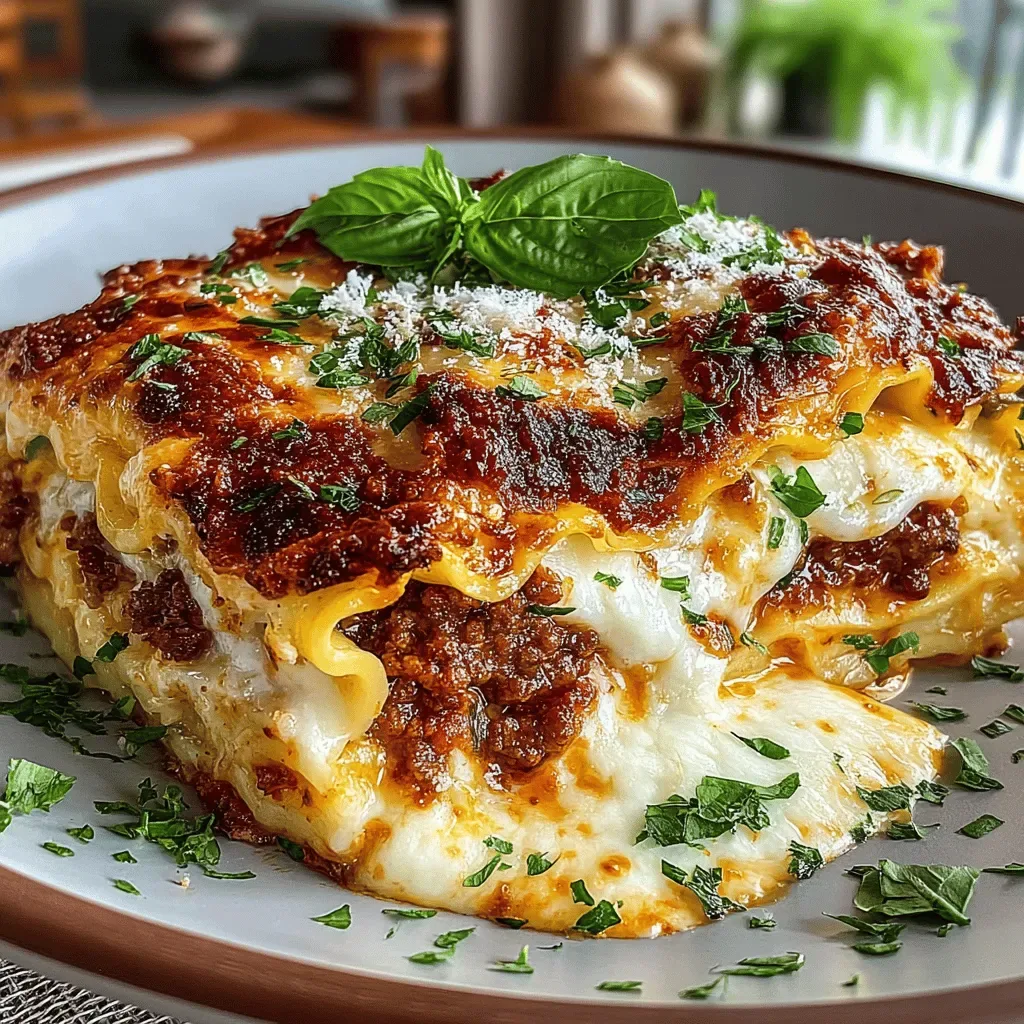
It was one of those crisp autumn evenings when the wind whispered through the maple trees and the kitchen smelled like a promise of comfort. I remember the first time I tried to recreate the hamburger steaks my grandmother used to make for Sunday dinners—those thick, juicy patties that seemed to melt in your mouth, drenched in a sauce that was at once tangy, creamy, and herbaceous. The moment you lift the lid, a cloud of fragrant steam hits you, carrying the scent of browned beef, sizzling butter, and a hint of fresh dill that makes your stomach do a little happy dance. I can still hear the sizzle of the steaks hitting the hot pan, the gentle pop of garlic, and the soft whisper of cream swirling into a silky sauce that clings to each bite like a velvet blanket.
What makes this dish stand out is the perfect marriage of simplicity and elegance. You don’t need a fancy sous‑vide machine or exotic spices—just a handful of pantry staples and a few fresh herbs, and you’ll have a dinner that feels like it was plated in a five‑star restaurant. The secret isn’t hidden in a complex technique; it’s in the balance of flavors, the texture of the meat, and the way the dill sauce ties everything together with a bright, herbaceous finish. Have you ever wondered why restaurant versions taste so different? The answer is often in the quality of the ingredients and a few pro tips that home cooks overlook.
But wait—there’s a twist that takes this humble comfort food from good to unforgettable, and I’m going to reveal it in just a moment. Imagine serving these steaks with a side of buttery mashed potatoes or a crisp green salad, watching your family’s eyes light up as they take that first bite. The sauce will coat the meat in a glossy sheen, the dill adding a fresh pop that cuts through the richness, while the breadcrumbs keep the patties tender and juicy. Trust me, once you try this, you’ll be tempted to make it every week, and you’ll find yourself tweaking the recipe to suit your own palate.
Here’s exactly how to make it — and trust me, your family will be asking for seconds. I’ll walk you through each step, share the little hacks that make a world of difference, and even suggest a few creative variations for when you feel adventurous. So grab your apron, preheat your skillet, and get ready to fall in love with a dish that’s as comforting as a warm hug on a chilly night.
🌟 Why This Recipe Works
- Flavor Depth: The combination of browned beef, caramelized onions, and a creamy dill sauce creates layers of savory, sweet, and herbaceous notes that linger on the palate. Each bite delivers a new dimension, from the umami‑rich steak to the bright, slightly tangy finish of the dill.
- Texture Harmony: The breadcrumbs and egg bind the meat while keeping it tender, preventing the dreaded dry patty. Meanwhile, the sauce adds a luscious, velvety coat that makes every forkful feel indulgent.
- Ease of Execution: This recipe uses straightforward techniques—mix, form, sear, and simmer—so even a novice cook can feel confident. No fancy equipment required, just a good skillet and a spoon.
- Time Efficiency: With a prep time of just fifteen minutes and a cooking window of thirty, you can have a restaurant‑quality meal on the table in under an hour, perfect for busy weeknights.
- Versatility: The base steak can be paired with a variety of sides—from buttery noodles to roasted vegetables—making it adaptable to any season or dietary preference.
- Nutrition Balance: Using lean ground beef, a modest amount of cream, and fresh dill provides protein, healthy fats, and antioxidants without overwhelming calories.
- Ingredient Quality: Fresh dill and high‑quality ground beef elevate the dish, proving that simple ingredients can shine when treated with respect.
- Crowd‑Pleaser Factor: The familiar comfort of a hamburger steak combined with a sophisticated sauce makes it a hit at family gatherings, potlucks, and even date nights.
🥗 Ingredients Breakdown
The Foundation
1 pound Ground Beef: Choose 80/20 beef for the perfect balance of flavor and moisture. The fat renders during cooking, keeping the steaks juicy and giving the sauce a richer base. If you prefer a leaner version, you can go 90/10, but add a splash more olive oil to compensate for the reduced fat.
1 cup Breadcrumbs: Breadcrumbs act as a binder and create a tender crumb structure within the patty. They absorb some of the beef juices, preventing the steak from becoming dense. For a gluten‑free twist, swap in almond meal or crushed cornflakes.
Aromatics & Spices
1 medium Onion: Finely diced onion adds subtle sweetness and moisture. When sautéed briefly before mixing, it releases natural sugars that caramelize during searing, adding depth to the flavor profile. Choose a sweet yellow onion for the most balanced taste.
2 cloves Garlic: Garlic brings a pungent, aromatic backbone to the sauce. Minced garlic releases allicin, which deepens the overall savory experience. If you love garlic, feel free to add an extra clove—just be mindful not to overpower the delicate dill.
1 teaspoon Salt & 1 teaspoon Black Pepper: These basic seasonings are the unsung heroes that amplify every other flavor. Salt enhances the meat’s natural juices, while black pepper adds a gentle heat that lingers on the tongue.
The Secret Weapons
½ cup Heavy Cream: Cream provides the luxurious silkiness that transforms a simple pan sauce into a velvety masterpiece. Its fat content carries the dill’s fragrance, making the herb pop. For a lighter version, you can substitute half‑and‑half, but the sauce will be less opulent.
1 tablespoon All‑Purpose Flour: Flour is the backbone of the roux, thickening the sauce without clumping. When whisked into melted butter, it creates a smooth base that traps the broth’s flavor. Be sure to cook the flour just until it turns a pale golden color to avoid a raw flour taste.
1 cup Low Sodium Chicken Broth: The broth deglazes the pan, lifting the browned bits (fond) that are pure flavor gold. Low sodium ensures you stay in control of the final seasoning, preventing the dish from becoming overly salty.
2 tablespoons Chopped Dill: Fresh dill is the star of this sauce, delivering a bright, slightly citrusy note that cuts through the richness. Its feathery leaves release essential oils when added at the end of cooking, preserving their fresh character.
Finishing Touches
2 tablespoons Olive Oil & 1 tablespoon Unsalted Butter: The oil raises the smoke point for searing, while butter adds a nutty depth and helps form a beautiful brown crust. Combining both gives you the best of both worlds—high heat tolerance and flavor.
1 large Egg: The egg binds the breadcrumbs and meat together, ensuring the patties hold their shape during cooking. It also adds a subtle richness that complements the beef.
With your ingredients prepped and ready, let's get cooking. Here's where the fun really begins, and I’ll share a couple of insider tricks that will make your sauce sing and your steaks stay perfectly juicy.

🍳 Step-by-Step Instructions
Start by finely dicing the onion and mincing the garlic. Heat a large skillet over medium heat, add one tablespoon of olive oil and the butter, and let the butter melt until it foams. Toss the onion in and sauté for about three minutes, stirring occasionally, until it becomes translucent and just begins to turn golden. Add the minced garlic and cook for another thirty seconds, just until you smell that unmistakable aroma—this is the foundation of your sauce’s flavor.
While the aromatics are cooking, move to a large mixing bowl and combine the ground beef, breadcrumbs, egg, a pinch of salt, and a generous grind of black pepper. Add half of the sautéed onion‑garlic mixture into the bowl, reserving the rest for the sauce later. Using your hands, gently mix everything together—don’t over‑work the meat, or you’ll end up with dense patties. Once combined, form the mixture into four to six equal-sized hamburger steaks, pressing them just enough to hold together.
💡 Pro Tip: Press a small indentation into the center of each patty with your thumb; this prevents the classic “bulge” that forms as the meat contracts while cooking.Increase the heat to medium‑high and add the remaining tablespoon of olive oil to the skillet. When the oil shimmers, carefully place the hamburger steaks in the pan, leaving a little space between each so they can brown evenly. Listen for that satisfying sizzle—this is the sound of flavor forming. Cook the steaks for about four minutes on the first side, resisting the urge to move them; you want a deep, caramelized crust.
Flip the steaks and sear the other side for another three to four minutes, until both sides are nicely browned. Once they’re done, transfer the patties to a plate and tent them loosely with foil to keep warm. Here’s the thing: the fond left behind in the pan is pure gold and will become the base of your dill sauce.
⚠️ Common Mistake: Overcrowding the pan will steam the steaks instead of searing them, resulting in a lack of crust and less flavor.Reduce the heat to medium and sprinkle the flour over the remaining onion‑garlic mixture in the skillet. Stir constantly for about one minute; the flour will turn a light golden hue, creating a roux that will thicken your sauce without tasting raw. This step is crucial—if you skip it, the sauce will be thin and watery.
Gradually whisk in the low‑sodium chicken broth, scraping the browned bits from the bottom of the pan with a wooden spoon. As the broth incorporates, you’ll notice the pan filling with steam and a rich aroma rising—this is the flavor foundation building. Bring the mixture to a gentle simmer, allowing it to reduce slightly, which concentrates the taste.
💡 Pro Tip: If you prefer a thicker sauce, let it reduce a few minutes longer before adding the cream; the sauce will coat the steaks like a glossy glaze.Stir in the heavy cream, watching the sauce transform into a luscious, ivory‑colored pool. Reduce the heat to low and let it simmer for two minutes, allowing the cream to meld with the broth and flour. Then, fold in the chopped dill and the remaining sautéed onion‑garlic mixture, saving a sprinkle of dill for garnish. Taste and adjust seasoning with a pinch more salt or pepper if needed.
Return the browned hamburger steaks to the skillet, nestling them into the creamy dill sauce. Spoon a little sauce over each patty, then let everything simmer together for another three to five minutes. This final simmer lets the meat absorb the herbaceous sauce, ensuring each bite is infused with that bright dill flavor. When you see the sauce lightly clinging to the sides of the steaks, you’ll know it’s ready.
Turn off the heat and let the skillet rest for a minute. Sprinkle the remaining fresh dill over the top for a pop of color and an extra burst of aroma. Serve the steaks hot, spooning generous amounts of sauce over each plate. Pair with buttery mashed potatoes, rice pilaf, or a crisp green salad, and watch your guests go back for seconds.
And there you have it! But before you dig in, let me share some tips that will take this from great to absolutely unforgettable…
🔐 Expert Tips for Perfect Results
The Taste Test Trick
Before you add the final pinch of salt, take a tiny spoonful of the sauce and let it cool for a few seconds. This tiny pause lets your palate register the flavors more accurately, preventing over‑seasoning. Trust me, this habit saved my sauce from becoming overly salty on more than one occasion.
Why Resting Time Matters More Than You Think
After searing, let the steaks rest for five minutes before returning them to the sauce. Resting allows the juices to redistribute, keeping the meat moist when the sauce is poured over it. Skipping this step often results in a dry patty, especially if you’re using leaner beef.
The Seasoning Secret Pros Won’t Tell You
Add a pinch of smoked paprika to the meat mixture. The subtle smoky undertone complements the dill’s brightness and adds depth without overpowering the dish. It’s a tiny tweak that makes the flavor profile feel more sophisticated.
Butter‑Oil Balance for the Perfect Sear
Using both olive oil and butter gives you a higher smoke point while still delivering that buttery flavor. If you only use butter, the steaks may burn before a crust forms; if you only use oil, you’ll miss out on the nutty richness. The combo is a win‑win.
Dill Timing Is Everything
Add most of the dill at the end of cooking, but keep a small amount for garnish. Fresh dill loses its potency when cooked too long, so the final sprinkle preserves its bright, citrusy character. This simple timing trick makes the sauce sing.
🌈 Delicious Variations to Try
One of my favorite things about this recipe is how versatile it is. Here are some twists I’ve tried and loved:
Mushroom‑Infused Steaks
Sauté a cup of sliced cremini mushrooms with the onions and add them to the meat mixture. The earthy mushrooms complement the beef and add a meaty umami boost, while the dill sauce balances the earthiness with its fresh notes.
Spicy Chipotle Dill
Stir in a teaspoon of chipotle in adobo sauce into the broth before adding the cream. The smoky heat pairs surprisingly well with the cool dill, creating a sweet‑heat dance that’s perfect for those who love a little kick.
Greek‑Style Twist
Swap the dill for fresh oregano and add a squeeze of lemon juice at the end. Serve the steaks over a bed of fluffy couscous and sprinkle crumbled feta on top for a Mediterranean flair.
Cheesy Bacon Upgrade
Crisp up half a cup of chopped bacon and fold it into the meat mixture, then sprinkle shredded sharp cheddar over the steaks during the final simmer. The salty bacon and melty cheese create a decadent, comfort‑food experience.
Vegetarian Lentil Patties
Replace ground beef with cooked brown lentils mashed with a bit of oat flour. The texture mimics a steak, and the dill sauce remains the star, offering a plant‑based version that still satisfies the craving for a hearty main.
📦 Storage & Reheating Tips
Refrigerator Storage
Allow the steaks and sauce to cool to room temperature, then transfer them to an airtight container. They’ll keep nicely for up to three days. When reheating, add a splash of chicken broth or milk to revive the sauce’s creaminess.
Freezing Instructions
Separate the steaks from the sauce before freezing. Place the patties on a parchment‑lined tray, freeze until solid, then transfer to a zip‑top bag. Freeze the sauce in a separate container. Both components freeze well for up to two months.
Reheating Methods
For stovetop reheating, gently warm the sauce over low heat, stirring occasionally, and add the frozen or refrigerated steaks, covering the pan to steam them through. In the microwave, heat in short bursts, stirring the sauce in between, and add a drizzle of cream to keep it silky.