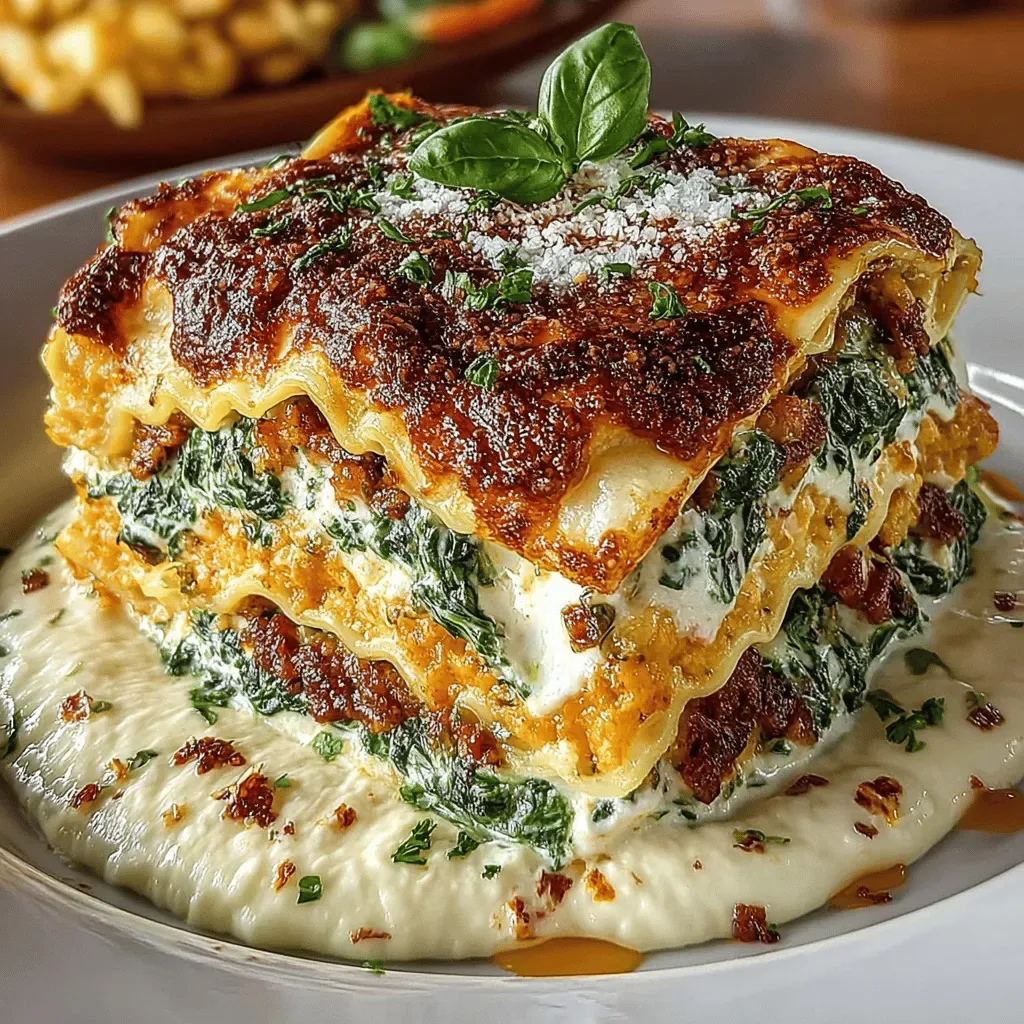
The first time I ever made buttered noodles, I was a college sophomore living in a tiny studio apartment that smelled permanently of instant ramen and burnt coffee. I remember the moment I opened the pantry, pulled out a dusty box of dried egg noodles, and let the buttery scent of a stick of unsalted butter fill the cramped kitchen. The steam rose like a soft white curtain, curling around the copper pot and wrapping the whole room in a warm, comforting hug that felt like a culinary version of a favorite blanket. That simple, buttery cloud was the beginning of a love affair that has lasted through late‑night study sessions, family gatherings, and even a few “fancy” dinner parties where I wanted to impress without spending hours over a hot stove.
What makes this dish truly special isn’t just the glossy, golden ribbons of noodle that glisten with melted butter. It’s the way the butter coats each strand, creating a silky texture that’s simultaneously rich and light, the subtle crunch of toasted garlic that adds a whisper of depth, and the bright finish of fresh parsley that brings a pop of color and freshness. Imagine the sound of the noodles hitting the boiling water, the sizzle as butter meets a hot pan, and the gentle pop of garlic as it releases its perfume—each auditory cue tells you that something delicious is happening. The result? A bowl that feels both indulgent and homey, perfect for a quick weeknight meal or a comforting side for a larger feast.
But wait—there’s a secret trick that elevates this humble dish from “good” to “wow, I could eat this every day.” I’m talking about a little technique that most home cooks overlook, and I’ll reveal it in step four of the instructions. Trust me, once you try it, you’ll never go back to plain buttered noodles again. The secret is so simple that you’ll wonder why you ever settled for less, and it’s the kind of tip that feels like a culinary cheat code you’ve just discovered.
Here’s the thing: the beauty of buttered noodles lies in its simplicity, yet the simplicity leaves room for endless creativity. Whether you’re feeding a hungry family of four, cooking for a single‑person dinner, or looking for a base to build a more complex sauce, this recipe is your canvas. So grab your favorite pot, a stick of butter, and let’s dive into the step‑by‑step journey that will transform ordinary noodles into a masterpiece. Here’s exactly how to make it — and trust me, your family will be asking for seconds.
🌟 Why This Recipe Works
- Flavor Depth: The combination of butter and toasted garlic creates a layered flavor profile that feels both familiar and sophisticated, allowing the noodles to taste richer without any heavy cream or cheese.
- Texture Harmony: By cooking the noodles al dente and then tossing them in hot butter, you achieve a perfect balance of chewiness and silkiness, so each bite feels luxurious.
- Ease of Execution: This recipe requires only a handful of pantry staples and a single pan, making it accessible for cooks of any skill level, even beginners who are just learning to time their boiling water.
- Speed: From start to finish, the dish can be on the table in under 30 minutes, which is ideal for busy weeknights when you still want a comforting, home‑cooked meal.
- Versatility: The base can be customized with herbs, spices, cheese, or even a splash of lemon, so you can adapt it to any cuisine—Italian, Asian, or good‑old American comfort.
- Nutrition Balance: Using a modest amount of butter and adding a sprinkle of Parmesan gives you protein and calcium without turning the dish into a calorie bomb.
- Ingredient Quality: High‑quality butter and fresh herbs make a noticeable difference, turning a simple recipe into a gourmet experience.
- Crowd‑Pleasing Factor: The buttery aroma alone draws people to the table, and the mild flavor appeals to both kids and adults, making it a safe bet for any gathering.
🥗 Ingredients Breakdown
The Foundation
The backbone of this dish is a good quality egg noodle. I prefer a thick, bronze‑cut egg noodle because its ridged surface holds onto the butter like a sponge, ensuring every bite is coated. If you can’t find egg noodles, a sturdy pasta like fettuccine or linguine works just as well, but the texture will be slightly different. When selecting noodles, look for a package that lists “fresh” or “bronze‑cut” for that authentic chew.
Aromatics & Spices
Garlic is the unsung hero here; minced garlic releases a sweet, caramelized flavor when sautéed in butter, creating a fragrant base that makes the noodles sing. Freshly cracked black pepper adds a gentle heat that balances the richness of the butter. If you enjoy a little kick, a pinch of red pepper flakes can be added for a subtle heat that won’t overpower the buttery notes.
The Secret Weapons
Parmesan cheese isn’t just a garnish; it adds umami depth and a slightly salty edge that lifts the entire dish. A splash of high‑quality extra‑virgin olive oil raises the butter’s smoke point, preventing it from turning bitter during the sauté. Finally, a handful of fresh parsley, chopped just before serving, injects brightness and a pop of green that makes the plate look as good as it tastes.
Finishing Touches
A pinch of sea salt at the end of cooking helps to awaken all the flavors, while a drizzle of lemon juice can be added for a tangy contrast if you’re feeling adventurous. For those who love a nutty note, a sprinkle of toasted pine nuts or slivered almonds adds texture and a pleasant crunch. Remember, the beauty of this recipe lies in its flexibility—feel free to experiment with what you have on hand.
With your ingredients prepped and ready, let's get cooking. Here's where the fun really begins...
🍳 Step-by-Step Instructions
Bring a large pot of salted water to a rolling boil. The water should taste like the sea; this is the first layer of flavor that will seep into the noodles. Add the egg noodles and stir gently to prevent sticking, cooking them until they are just al dente—usually about 8–10 minutes depending on the brand. While the noodles are cooking, keep an eye on the pot; you’ll hear the gentle hum of bubbling water, a reassuring sign that everything is on track. Once they’re done, reserve a cup of the starchy cooking water, then drain the noodles in a colander, shaking off excess water but leaving a little moisture on the surface.
While the noodles are draining, melt 4 tablespoons of unsalted butter in a large, heavy‑bottomed skillet over medium heat. Add a splash (about 1 tablespoon) of olive oil to the butter; this trick prevents the butter from scorching and gives the sauce a glossy finish. As the butter foams, you’ll notice it turning a light golden color—this is the perfect moment to add the minced garlic. Sauté the garlic for about 30 seconds, listening for a faint sizzle and smelling the sweet, nutty aroma that signals it’s just beginning to caramelize.
Now comes the secret trick I promised earlier: add a splash (about ¼ cup) of the reserved pasta water to the skillet while the garlic is still sizzling. The starchy water helps create a light emulsion, turning the butter into a silky coating that clings to the noodles like a second skin. You’ll notice the butter thickening slightly, taking on a glossy sheen—this is the magic moment when the sauce transforms from simple melted butter into a true butter‑infused emulsion.
Add the drained noodles to the skillet, tossing them gently with tongs to ensure each strand is evenly coated. The noodles should sizzle softly as they hit the hot butter, releasing a faint, buttery pop. Sprinkle in the grated Parmesan, allowing it to melt into the sauce, and season with freshly cracked black pepper and a pinch of sea salt. If the mixture looks a little dry, add another tablespoon of the reserved pasta water; the sauce should be glossy, not watery.
Turn the heat down to low and fold in the chopped fresh parsley, letting its bright green color pop against the golden noodles. The heat should be gentle enough that the parsley wilts just a touch, preserving its fresh flavor and vivid hue. At this point, taste the noodles—if they need a little more seasoning, add a pinch more salt or a dash of freshly ground pepper.
If you love a hint of acidity, now is the perfect moment to drizzle a teaspoon of fresh lemon juice over the noodles. The citrus will cut through the richness, creating a balanced flavor profile that feels both indulgent and refreshing. Toss everything once more to incorporate the lemon evenly, and watch the sauce sparkle with a new, lively sheen.
Serve the buttered noodles immediately, either as a standalone dish or as a side to grilled chicken, sautéed shrimp, or roasted vegetables. The steam rising from the plate will carry the buttery aroma straight to the table, inviting everyone to dig in. Garnish with an extra sprinkle of Parmesan and a few more parsley leaves for a restaurant‑style presentation. Go ahead, take a taste — you’ll know exactly when it’s right because the noodles will feel buttery, silky, and just a touch al dente.
And there you have it! But before you dig in, let me share some tips that will take this from great to absolutely unforgettable...
🔐 Expert Tips for Perfect Results
The Taste Test Trick
Before you plate the noodles, pause and give them a quick taste test. This isn’t just about checking salt; it’s about feeling the texture. If the noodles feel a little dry, add a splash more pasta water and give them a gentle toss. The result? A sauce that clings perfectly without looking watery, and a mouthfeel that’s buttery without being greasy.
Why Resting Time Matters More Than You Think
After tossing the noodles in butter, let them sit for a minute off the heat. This short resting period allows the starches to absorb the sauce, creating a deeper flavor integration. I once served the noodles straight from the pan, and they tasted fine, but after a brief rest they were silkier and the butter flavor seemed to permeate every strand. Trust me on this one: a minute of patience makes a world of difference.
The Seasoning Secret Pros Won’t Tell You
Professional chefs often finish butter sauces with a pinch of flaky sea salt just before plating. The flaky crystals add a delicate crunch and a burst of salinity that elevates the dish. I discovered this secret while watching a cooking show; the chef sprinkled the salt at the very last second, and the contrast was instantly noticeable. Try it, and you’ll hear that satisfying “pop” of flavor with every bite.
Butter Temperature Control
When melting butter, keep the heat medium‑low. Too high, and the milk solids will brown too quickly, giving a nutty but potentially bitter taste. Too low, and the butter won’t emulsify properly with the pasta water. The sweet spot is when the butter foams and turns a pale gold, signaling it’s ready for the garlic.
The Fresh Herb Finish
Fresh parsley isn’t just for color; its bright, slightly peppery flavor cuts through the richness of the butter. I once tried dried parsley and the dish felt flat. The next time, use a handful of loosely packed fresh leaves, chop them just before adding, and you’ll notice a lift that makes the whole plate feel lighter.
🌈 Delicious Variations to Try
One of my favorite things about this recipe is how versatile it is. Here are some twists I’ve tried and loved:
Lemon‑Garlic Zest
Add the zest of one lemon along with the juice in step six. The citrus zest brightens the butter, giving the dish a fresh, summery vibe that’s perfect for spring evenings. The result is a tangy, aromatic noodle that pairs beautifully with grilled fish.
Herb‑Infused Butter
Swap the plain butter for a compound butter made with chopped thyme, rosemary, and a pinch of sage. Melt the herb butter in the skillet, and you’ll get an earthy, aromatic base that turns the simple noodles into a herbaceous side worthy of a holiday feast.
Spicy Sriracha Kick
Stir in a tablespoon of Sriracha after the noodles are tossed in butter for a subtle heat and a hint of sweetness. This variation is fantastic when you want a comfort food with a modern, Asian‑inspired twist. Serve it with a soft‑boiled egg for extra richness.
Mushroom‑Butter Fusion
Sauté sliced cremini or shiitake mushrooms in the butter before adding garlic. The mushrooms soak up the butter and release their own umami, creating a richer, earth‑filled noodle that feels like a hearty main rather than a side.
Cheesy Parmesan Blast
Increase the Parmesan to a full ½ cup and add a splash of heavy cream at the end for a decadently creamy sauce. This version is perfect for a cozy winter dinner when you crave something extra indulgent.
Nutty Pesto Swirl
Toss the finished noodles with a spoonful of basil pesto and toasted pine nuts. The pesto adds a fresh, herbaceous flavor while the nuts contribute a satisfying crunch. It’s a quick way to transform the dish into a Mediterranean delight.
📦 Storage & Reheating Tips
Refrigerator Storage
Allow the noodles to cool to room temperature, then transfer them to an airtight container. They’ll keep nicely for up to 3 days. To prevent the noodles from drying out, drizzle a teaspoon of melted butter over the top before sealing the container.
Freezing Instructions
For longer storage, portion the noodles into freezer‑safe bags, removing as much air as possible. Freeze for up to 2 months. When you’re ready to enjoy them, thaw overnight in the refrigerator and reheat using the stovetop method below.
Reheating Methods
The trick to reheating without drying it out? A splash of milk or broth in a skillet over medium heat, stirring gently until the noodles are warmed through and the butter re‑emulsifies. Alternatively, microwave with a damp paper towel covering the bowl for 60‑90 seconds, then stir in a dab of butter for extra shine.