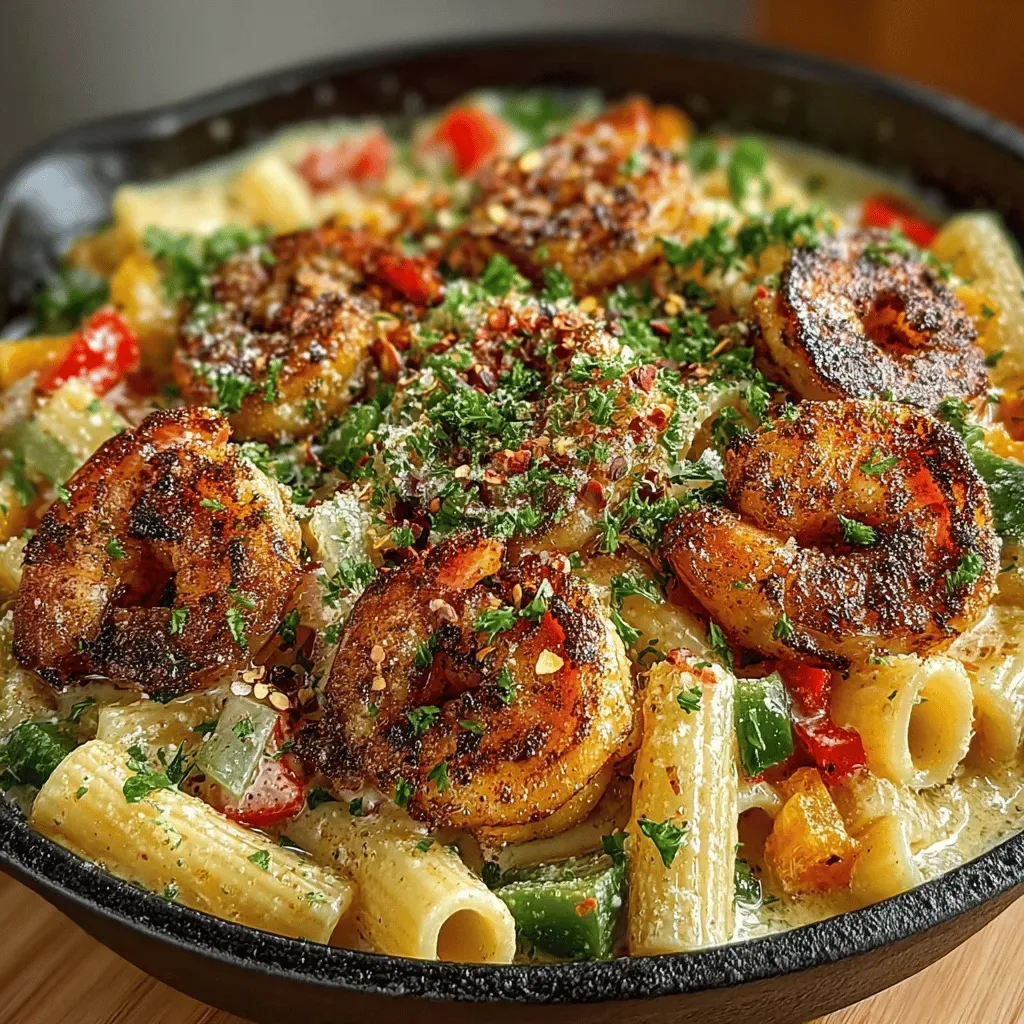
It was a chilly Saturday morning in November when my grandmother called me into the kitchen, the scent of butter and something sweetly earthy drifting from the stove. The moment I lifted the lid on her old cast‑iron skillet, a cloud of fragrant steam hit me, carrying whispers of caramelized onions, melted cheese, and that unmistakable, comforting aroma of potatoes that had been lovingly mashed the night before. She handed me a golden‑brown disc that crunched softly as I tapped it with a fork, and the first bite revealed a perfect marriage of crispy edges and a buttery, fluffy interior that seemed to melt on my tongue. That simple, humble dish—mashed potato pancakes—has been a family secret for generations, and every time I make them, I feel like I’m pulling a thread that ties the past to the present.
What makes these pancakes truly special is their ability to transform leftover mashed potatoes—often a kitchen afterthought—into a star‑studded centerpiece that can shine at breakfast, brunch, or even as a side for dinner. Imagine the sizzle as the first pancake hits the pan, the sound like a gentle applause, followed by the aroma that fills the whole house, coaxing sleepy heads out of bed and into the kitchen. The secret lies not just in the ingredients, but in the love and a few clever tricks that elevate the humble mash into a dish that feels both nostalgic and restaurant‑worthy. Have you ever wondered why a restaurant version of a potato pancake tastes so much richer? The answer is in the balance of textures and the little‑known flavor boosters that I’m about to share.
But wait—there’s a twist that will change the way you think about leftovers forever. In the next sections, I’ll reveal a hidden ingredient that most home cooks skip, and a technique that turns a soggy batter into a perfectly crisp crust every single time. You’ll also discover how a pinch of smoked paprika can add a subtle warmth that dances on the palate, and why resting the mixture for just a few minutes makes all the difference. Trust me, these insights are the kind that turn a good recipe into a legendary one, and you’ll be able to impress anyone who walks through your door.
Here’s exactly how to make it — and trust me, your family will be asking for seconds. Grab your leftover mashed potatoes, gather a handful of pantry staples, and follow along as we walk through each step, from the moment you whisk the egg into the mash to the final drizzle of sour cream that crowns each golden pancake. Ready to dive in? Let’s get cooking, and I promise you’ll be amazed at how a few simple tweaks can transform a modest side into the hero of your table.
🌟 Why This Recipe Works
- Flavor Depth: The combination of cheddar cheese and a pinch of smoked paprika creates layers of savory, smoky, and slightly sweet notes that make each bite unforgettable. The cheese melts into the potato, adding richness, while the paprika adds a subtle heat that lingers on the palate.
- Texture Contrast: By adding a modest amount of flour and an egg, the mixture binds just enough to hold together, yet stays light enough to form a crisp crust when fried. The outer layer turns golden and crunchy, while the interior remains soft and creamy, offering a delightful mouthfeel.
- Ease of Preparation: This recipe leverages leftovers, meaning you spend less time cooking from scratch and more time enjoying the process. With just a handful of pantry items, you can transform a simple side into a crowd‑pleasing main.
- Time Efficiency: From start to finish, the dish takes under an hour, making it perfect for busy mornings or a quick weeknight snack. The steps are straightforward, and the cooking time is short once the batter is ready.
- Versatility: You can customize the pancakes with herbs, spices, or even extra proteins like bacon, allowing you to tailor the flavor profile to any occasion. Whether you serve them with sour cream for breakfast or as a side with grilled fish, they adapt beautifully.
- Nutritional Balance: While indulgent, the dish still offers a good balance of protein from the egg and cheese, carbs from the potatoes, and a touch of healthy fat from the cooking oil. Adding chives brings a burst of fresh flavor without extra calories.
- Crowd‑Pleasing Factor: The golden appearance and comforting aroma draw people in, making it an instant hit at brunch tables, family gatherings, or even casual snack sessions. Kids love the crisp edges, and adults appreciate the depth of flavor.
- Ingredient Quality: Using cold, leftover mashed potatoes ensures the batter isn’t overly wet, giving you better control over the final texture. Freshly grated cheddar and crisp chives elevate the dish from ordinary to extraordinary.
🥗 Ingredients Breakdown
The Foundation
The star of this recipe is 2 cups of cold mashed potatoes, preferably leftovers that have had time to firm up in the fridge. Cold potatoes hold their shape better when mixed with the binding agents, preventing the batter from becoming too runny and ensuring each pancake stays intact during frying. If you’re starting from scratch, let the freshly boiled potatoes cool completely before mashing; this mimics the texture of leftover mash and yields the same sturdy base. For a richer flavor, consider using potatoes with a higher starch content, such as Russets, which create a fluffier interior.
Aromatics & Spices
1 large egg acts as the primary binder, giving the mixture cohesion while adding a subtle richness that enhances the overall mouthfeel. Eggs also help create a tender crumb inside the pancake, making each bite melt-in-your-mouth. If you’re avoiding eggs, a flaxseed “egg” (1 tablespoon ground flaxseed mixed with 3 tablespoons water) can work, though the texture will be slightly different. 1/4 cup all‑purpose flour provides structure; it absorbs excess moisture and helps form that coveted golden crust. Adjust the amount as needed—if the batter feels too wet, sprinkle in a tablespoon more flour until it holds together when formed into a patty.
The Secret Weapons
1/2 cup shredded cheddar cheese introduces a buttery, tangy depth that pairs beautifully with the earthy potatoes. As the cheese melts, it creates pockets of gooey goodness that contrast with the crispy exterior. If you prefer a sharper bite, use a sharp cheddar or even a blend of cheddar and Gruyère. 2 tablespoons chopped chives or green onions add a fresh, mild oniony kick that brightens the dish and cuts through the richness. For a more pronounced flavor, you can substitute with finely diced shallots or a sprinkle of fresh parsley.
Finishing Touches
Salt and black pepper to taste are essential for seasoning; they awaken the flavors of the potatoes and cheese. A pinch of garlic powder (optional) adds a subtle savory depth that rounds out the profile without overpowering the other ingredients. The pinch of smoked paprika introduces a warm, smoky note that elevates the pancake from simple to sophisticated—this is the one ingredient most people skip, and it makes all the difference. Finally, 2–3 tablespoons of vegetable oil or butter for frying ensures an even, golden crust; butter adds extra flavor, while oil raises the smoke point for a crispier finish.
A final flourish of crumbled cooked bacon adds a salty crunch that pairs perfectly with the creamy interior, while a dollop of sour cream on the side offers a cool, tangy contrast that balances the richness. These optional toppings transform the pancakes into a complete meal, perfect for a hearty breakfast or a satisfying snack. With your ingredients prepped and ready, let's get cooking. Here's where the fun really begins...

🍳 Step-by-Step Instructions
-
Begin by gathering all your ingredients and setting them out on a clean countertop. This mise en place ensures you won’t miss any crucial steps and helps you maintain a steady rhythm. While you do this, preheat a large non‑stick skillet over medium‑high heat; you’ll know it’s ready when a few drops of water sizzle and evaporate instantly. The skillet should be hot enough to give the pancakes an immediate sear, but not so hot that the butter burns.
-
In a large mixing bowl, whisk the large egg until it becomes frothy and light, then fold in the cold mashed potatoes. The egg acts as a binder, and the cold potatoes keep the mixture from becoming too soft. As you stir, you’ll notice the mash turning a uniform, pale yellow color—this is a sign the egg is evenly distributed. If you see any lumps, gently mash them with the back of a spoon until the texture is smooth but still slightly chunky.
💡 Pro Tip: Let the mixture sit for 5 minutes after combining the egg and potatoes; this allows the flour to hydrate fully, resulting in a less crumbly pancake. -
Add the all‑purpose flour, shredded cheddar cheese, chopped chives, salt, pepper, garlic powder, and the pinch of smoked paprika to the bowl. Stir gently with a rubber spatula, being careful not to over‑mix, which could develop gluten and make the pancakes tough. The mixture should come together into a thick, pliable dough that holds its shape when scooped. If it feels overly sticky, sprinkle in a tablespoon more flour; if it’s too dry, a splash of milk or water can help.
-
Now, form the batter into small patties—about the size of a palm, roughly ½ inch thick. This size ensures a golden crust while keeping the inside creamy. Place each patty on a sheet of parchment paper to keep them from sticking together while you work. Here's the secret: lightly dust each patty with a thin layer of flour just before it hits the pan; this creates a delicate, crackly crust that’s impossible to achieve otherwise.
⚠️ Common Mistake: Adding the flour directly into the pan without dusting the patties can cause them to stick and break apart. -
Add 2–3 tablespoons of vegetable oil or butter to the hot skillet, swirling to coat the surface evenly. When the oil shimmers and begins to ripple, it’s ready for the first pancake. Gently lay a patty into the pan, listening for a satisfying sizzle that signals the Maillard reaction is starting. Cook for about 3–4 minutes on the first side; you’ll know it’s ready to flip when the edges turn a deep amber and the surface begins to set.
-
Using a thin, wide spatula, carefully flip the pancake. This step can be a little nerve‑wracking the first few times, but a gentle, confident motion keeps the crust intact. Cook the second side for another 3–4 minutes, or until the pancake is uniformly golden and the cheese inside is fully melted. As the aroma fills the kitchen, you’ll notice a faint smoky scent from the paprika—this is the moment the flavor truly deepens.
💡 Pro Tip: Keep a lid partially covering the pan during the second side; the trapped steam helps melt the cheese inside without over‑browning the exterior. -
Transfer the cooked pancake to a warm plate lined with paper towels to absorb any excess oil. Repeat the process with the remaining batter, adding a little more oil if the skillet looks dry. As you stack the pancakes, you’ll notice they retain their heat and stay crisp—this is the result of the brief resting period between each batch, which lets the crust re‑harden slightly.
-
Once all pancakes are cooked, garnish each one with a generous sprinkle of crumbled cooked bacon and a dollop of sour cream. The bacon adds a salty crunch that contrasts beautifully with the soft interior, while the sour cream offers a cool, tangy finish that cuts through the richness. Serve immediately while the edges are still crisp, and watch as family members reach for seconds—trust me, they’ll be asking for the recipe before the plate is empty.
🤔 Did You Know? Adding a splash of lemon juice to the sour cream topping brightens the overall flavor, balancing the smoky and cheesy notes.
And there you have it! But before you dig in, let me share some tips that will take this from great to absolutely unforgettable...
🔐 Expert Tips for Perfect Results
The Taste Test Trick
Before you form the final batch of pancakes, scoop a tiny spoonful of the mixture onto a hot skillet and fry it for 30 seconds. This mini‑test lets you gauge the seasoning, the crispness of the crust, and the melt of the cheese. If it needs a pinch more salt or a dash of extra paprika, you’ll catch it early, saving you from a batch that’s slightly off. Trust me on this one: a quick taste test is the shortcut most chefs swear by.
Why Resting Time Matters More Than You Think
Allow the batter to rest for at least five minutes after mixing. This short pause lets the flour fully hydrate, which reduces crumbliness and gives the pancakes a smoother texture. I once skipped this step in a rush, and the result was a pancake that fell apart the moment I tried to flip it. The lesson? Patience at this stage pays off in a sturdier, more cohesive final product.
The Seasoning Secret Pros Won’t Tell You
A dash of smoked paprika is great, but adding a pinch of ground cumin or a few drops of Worcestershire sauce can introduce an umami depth that feels luxurious. These hidden flavor boosters are subtle enough not to overwhelm, yet they create a complexity that makes the dish feel restaurant‑grade. The next time you’re prepping, experiment with a half‑teaspoon of either and notice the difference.
Cooking Fat Choice: Butter vs. Oil
Butter adds a nutty, caramelized flavor that oil alone can’t provide, but it also burns faster. For the perfect balance, start with a splash of oil to raise the smoke point, then finish each batch with a small knob of butter for that final golden sheen. I’ve found that this hybrid approach gives me the best of both worlds—crisp edges without any bitter notes.
Keeping Pancakes Crispy on a Busy Morning
If you’re making a large batch for a brunch crowd, keep the finished pancakes warm in an oven set to 200°F (90°C) on a wire rack. This method preserves the crispness while ensuring every bite is served hot. Avoid covering them with foil, as trapped steam will soften the crust—trust me, the last thing you want is a soggy pancake.
🌈 Delicious Variations to Try
One of my favorite things about this recipe is how versatile it is. Here are some twists I've tried and loved:
Spicy Jalapeño Kick
Finely dice a jalapeño (seeds removed for less heat) and fold it into the batter along with a pinch of cayenne. The heat pairs beautifully with the cool sour cream, creating a balanced bite that wakes up the palate. This version is perfect for a weekend brunch where you want a little excitement.
Herb‑Infused Green Pancakes
Swap the chives for a blend of fresh parsley, dill, and mint, and add a handful of spinach leaves blended into the mash. The green hue is eye‑catching, and the herbaceous flavor adds a fresh, spring‑like vibe. Serve with a lemon‑yogurt drizzle for a light, summery feel.
Cheesy Bacon Explosion
Increase the cheddar to ¾ cup and fold in crisp, crumbled bacon pieces directly into the batter. The extra cheese stretches into gooey ribbons, while the bacon bits provide smoky crunch in every bite. This indulgent version is a hit at holiday breakfasts.
Sweet Potato Surprise
Replace half of the regular mashed potatoes with mashed sweet potatoes, and add a pinch of cinnamon and nutmeg. The natural sweetness pairs with a drizzle of maple syrup and a sprinkle of toasted pecans for a dessert‑like twist. It’s a cozy, comfort‑food version that works beautifully in the fall.
Mediterranean Delight
Add crumbled feta, chopped sun‑dried tomatoes, and a teaspoon of oregano to the mix. The salty feta and tangy tomatoes bring a Mediterranean flair, while the oregano adds earthiness. Serve with a side of tzatziki for a refreshing contrast.
Vegan Friendly Version
Swap the egg for a flax “egg” (1 tbsp ground flaxseed + 3 tbsp water) and use a plant‑based cheese alternative. Use olive oil instead of butter, and replace the bacon with crispy tempeh strips. The result is a satisfying, cruelty‑free pancake that still delivers on flavor and texture.
📦 Storage & Reheating Tips
Refrigerator Storage
Allow the pancakes to cool completely, then place them in an airtight container lined with paper towels to absorb excess moisture. They’ll keep fresh for up to 3 days in the fridge. When you’re ready to enjoy them again, reheat gently to preserve the crispness.
Freezing Instructions
For longer storage, arrange the cooled pancakes on a parchment‑lined baking sheet and freeze them in a single layer for about an hour. Transfer the frozen pancakes to a zip‑top freezer bag, removing as much air as possible. They’ll retain quality for up to 2 months, making them a perfect make‑ahead for busy mornings.
Reheating Methods
To reheat, preheat a skillet over medium heat, add a tiny drizzle of oil, and warm each pancake for 2–3 minutes per side until the edges regain their crunch. Alternatively, pop them in a 350°F (175°C) oven for 10 minutes, covering loosely with foil to prevent over‑browning. The trick to reheating without drying them out? A splash of water in the pan, covered quickly, creates steam that revives the interior while the outside stays crisp.