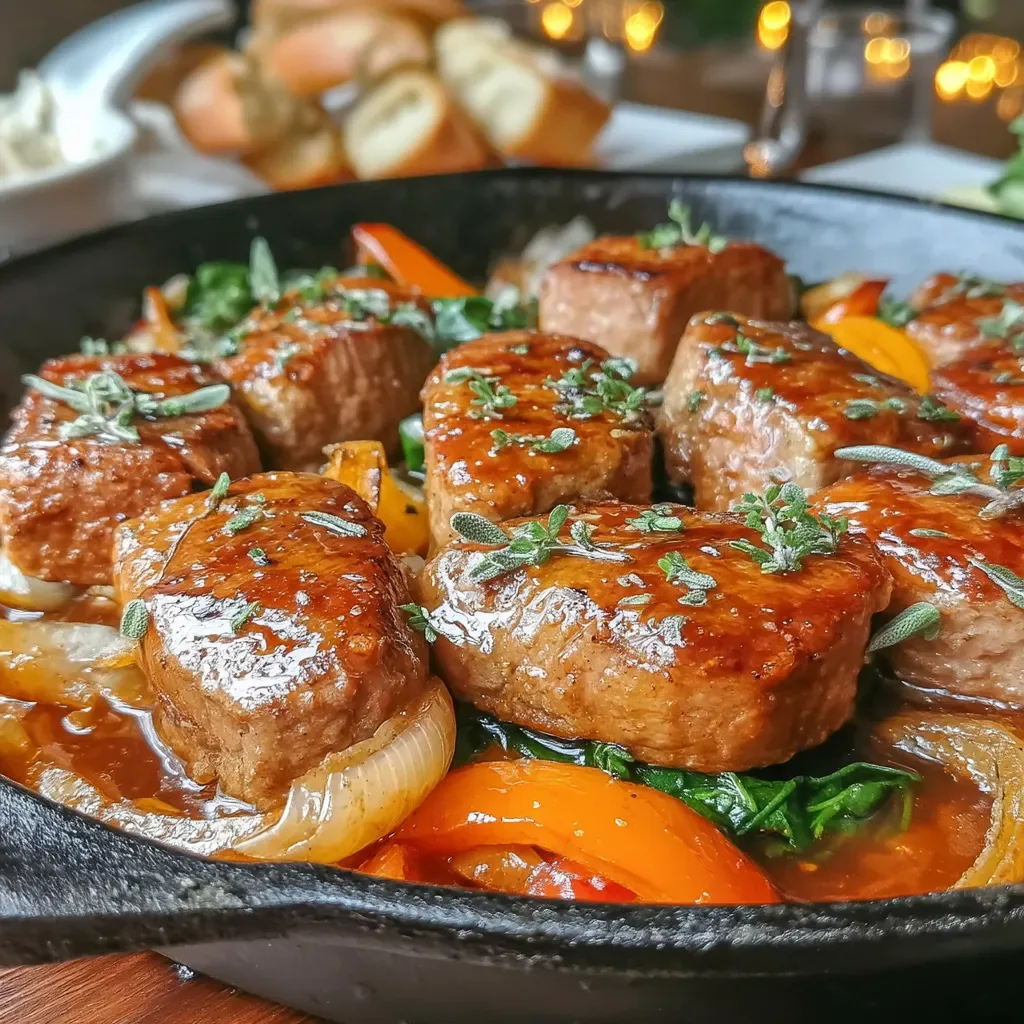
Imagine a crisp autumn morning, the scent of maple and sage drifting through the kitchen as you flip a golden pork chop in a sizzling skillet. Maple Sage Pork Skillet Delight captures that cozy feeling in a single pan, making it perfect for a hearty breakfast or brunch that feels both festive and comforting.
This recipe stands out because it marries the natural sweetness of pure maple syrup with the earthy, slightly peppery notes of fresh sage, creating a sauce that clings lovingly to each tender pork slice.
Anyone who loves a sweet‑savory balance—families gathering for a weekend brunch, friends craving a comforting start to a chilly day, or anyone seeking a quick yet impressive dish—will adore this skillet marvel.
The process is straightforward: season and sear pork medallions, deglaze with a maple‑sage reduction, then finish in the oven for a perfectly caramelized finish that stays juicy inside.
Why You'll Love This Recipe
Autumnal Sweet‑Savory Harmony: The maple‑sage glaze delivers a warm, layered flavor that feels instantly seasonal while still being bright enough for morning meals.
One‑Pan Efficiency: All the action happens in a single skillet, so cleanup is minimal and you can keep the kitchen tidy for a relaxed brunch.
Quick Yet Impressive: With just 15 minutes of prep and 35 minutes of cooking, you’ll serve a dish that looks restaurant‑ready without the hassle.
Versatile Protein: While pork tenderloin shines here, the technique works beautifully with pork chops, chicken, or even firm tofu for a plant‑based twist.
Ingredients
For this dish I rely on fresh, seasonal ingredients that speak to autumn. The pork provides a lean, tender canvas; maple syrup adds a natural sweetness; and sage contributes an herbaceous depth that balances the richness. A touch of Dijon mustard sharpens the sauce, while apple cider vinegar lifts the flavors with a gentle tang. Finally, a splash of butter finishes the glaze with silkiness, and a pinch of sea salt brings everything together.
Main Ingredients
- 1 lb pork tenderloin, trimmed and sliced into ½‑inch medallions
- 2 tablespoons olive oil
Sauce/Marinade
- ¼ cup pure maple syrup
- 1 tablespoon Dijon mustard
- 1 teaspoon fresh sage leaves, finely chopped (about 5 leaves)
- 1 tablespoon apple cider vinegar
- 2 tablespoons unsalted butter, cut into pieces
Seasonings & Garnish
- ½ teaspoon sea salt
- ¼ teaspoon freshly ground black pepper
- Optional: ¼ cup toasted pecans, roughly chopped
Each component plays a specific role: olive oil ensures a crisp sear, while the maple‑sage glaze creates a glossy, caramelized coating that locks in moisture. The mustard adds a subtle heat, the vinegar balances sweetness, and butter rounds out the sauce with a velvety mouthfeel. A final sprinkle of sea salt and pepper heightens every flavor, and toasted pecans (if you like) contribute a satisfying crunch.
Step-by-Step Instructions
Preparing the Base
Begin by patting the pork medallions dry with paper towels; moisture hinders browning. Sprinkle both sides with sea salt and freshly ground black pepper, then let them rest at room temperature for about 10 minutes. This brief rest allows the seasoning to penetrate and the meat to come up slightly, ensuring even cooking.
Cooking Process
- Heat the Skillet. Place a heavy‑bottomed skillet over medium‑high heat for 3 minutes. Add the olive oil and swirl until it just begins to shimmer. This temperature is hot enough to sear without smoking, creating a flavorful crust.
- Sear the Pork. Lay the medallions in a single layer, making sure they do not touch. Cook undisturbed for 3‑4 minutes until a deep golden‑brown crust forms. Flip and sear the opposite side another 3‑4 minutes. Proper searing locks in juices and develops fond (the brown bits) that will later enrich the sauce.
- Deglaze & Build the Sauce. Reduce the heat to medium. Add the maple syrup, Dijon mustard, apple cider vinegar, and chopped sage directly to the pan. Stir, scraping the fond with a wooden spoon; this dissolves caramelized bits into the liquid, intensifying flavor. Bring the mixture to a gentle simmer.
- Thicken the Glaze. Let the sauce simmer for 2‑3 minutes, allowing it to reduce by roughly one‑third. It should coat the back of a spoon lightly. Then whisk in the butter pieces one at a time; this emulsifies the sauce, giving it a glossy finish.
- Finish in the Oven. Preheat the oven to 375°F (190°C). Transfer the skillet (if oven‑safe) or move the pork to a shallow baking dish, spooning extra glaze over the top. Bake for 12‑15 minutes, or until the internal temperature reaches 145°F (63°C). This final bake ensures the pork is cooked through while staying moist.
Finishing Touches
Remove the skillet from the oven and let the pork rest for 5 minutes; resting redistributes juices, preventing a dry bite. Sprinkle the optional toasted pecans and a few extra sage leaves for color and texture. Serve immediately, drizzling any remaining glaze over the plate for extra shine.
Tips & Tricks
Perfecting the Recipe
Pat Dry Before Searing: Moisture on the pork surface prevents a true crust; a quick towel dry ensures maximum Maillard reaction.
Use a Heavy Skillet: Cast iron or stainless steel retains heat better, giving a more even sear and preventing hot spots.
Don’t Crowd the Pan: Overcrowding drops the pan temperature, causing the pork to steam rather than brown.
Flavor Enhancements
Finish the sauce with a squeeze of fresh lemon juice for bright acidity, or stir in a pinch of smoked paprika for a subtle smoky undertone. For extra richness, add a splash of heavy cream just before serving.
Common Mistakes to Avoid
Skipping the resting step results in a dry plate, as juices spill out. Also, cooking on too high a flame can burn the maple syrup before the pork is done, leaving a bitter aftertaste. Use medium heat and monitor the glaze closely.
Pro Tips
Fresh Sage Over Dried: Fresh leaves release volatile oils that give a brighter, more aromatic profile than dried sage.
Thermometer Check: Insert a meat thermometer into the thickest part; 145°F guarantees safety while keeping the pork juicy.
Make Ahead Sauce: Prepare the maple‑sage glaze up to a day ahead; store refrigerated and reheat gently before adding to the pan.
Variations
Ingredient Swaps
Swap pork for chicken thighs or turkey cutlets for a leaner profile. If you prefer a vegetarian twist, use firm tofu cubes, pressing them first to remove excess water. For a deeper sweetness, replace maple syrup with brown sugar or a splash of apple butter.
Dietary Adjustments
To keep the dish gluten‑free, ensure the Dijon mustard is certified gluten‑free. For dairy‑free diners, omit butter and finish the sauce with a drizzle of coconut oil or a spoonful of cashew cream. Keto lovers can substitute maple syrup with a low‑carb sweetener like erythritol.
Serving Suggestions
Pair the skillet delight with buttery cornmeal polenta, roasted sweet potatoes, or a simple mixed greens salad dressed in apple cider vinaigrette. A side of warm, crusty sourdough is perfect for sopping up the lingering glaze.
Storage Info
Leftover Storage
Allow leftovers to cool to room temperature, then transfer them to an airtight container. Refrigerate for up to 4 days. For longer keeping, portion into freezer‑safe bags, squeeze out excess air, and freeze for up to 3 months. Label with date for easy reference.
Reheating Instructions
Reheat gently to preserve moisture. Preheat a skillet over medium heat, add a splash of broth or water, and stir the pork until warmed through, about 4‑5 minutes. Alternatively, cover the dish with foil and bake at 350°F (175°C) for 12‑15 minutes. Add a drizzle of fresh glaze before serving.
Frequently Asked Questions
This Maple Sage Pork Skillet Delight brings the flavors of fall to your breakfast table with minimal fuss and maximum impact. You’ve learned how to select the right ingredients, master the sear, and finish with a glossy, aromatic glaze. Feel free to experiment with protein swaps, adjust seasonings, or pair with your favorite sides—cooking is your canvas. Serve it hot, enjoy the comforting aroma, and let the season’s best flavors start your day right.