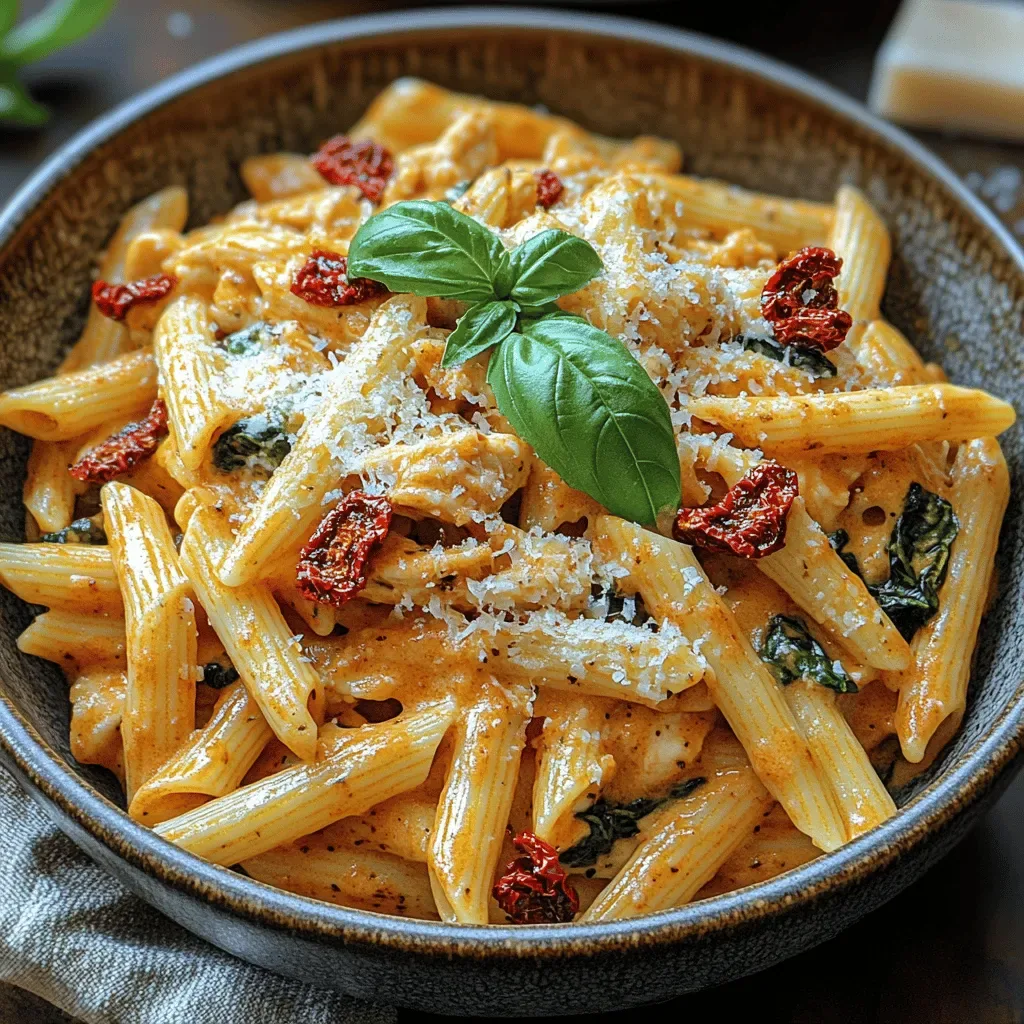
It was a crisp November evening when my grandma pulled out the last of her Thanksgiving turkey, and the kitchen filled with the lingering scent of sage, rosemary, and that unmistakable caramelized skin that only a perfectly roasted bird can give. I remember the steam rising from the pot as I added a handful of frozen peas, the bright orange of diced tomatoes popping against the pale broth, and the soft clatter of the wooden spoon against the stainless steel pot. That moment—when the flavors of a holiday feast found a new life in a humble bowl of soup—has stayed with me ever since. The simple act of turning leftovers into something warm, comforting, and entirely new is what makes cooking feel like alchemy, and this Leftover Turkey Vegetable Soup is the perfect example of that magic.
Imagine this: you open the fridge, spot a container of cold, sliced turkey, and instead of letting it sit in silence, you invite it to join a chorus of sautéed onions, aromatic garlic, and a medley of vegetables that dance together in a rich, low‑sodium chicken broth. The moment you lift the lid, a cloud of fragrant steam hits you, carrying whispers of Italian seasoning, the faint nuttiness of butter, and the earthy undertones of celery. The soup’s colors—vibrant reds, deep greens, and golden pasta—are as inviting as a painter’s palette, promising both visual delight and a comforting hug for the palate. Have you ever wondered why the best soups feel like a warm blanket on a chilly day? The answer lies in the careful layering of flavors, textures, and aromas that we’ll explore together.
But wait—there’s a secret technique hidden in step four that will transform this soup from good to unforgettable, and I’m saving that revelation for later. First, let’s talk about why this recipe works so well for any family, whether you’re feeding a bustling crowd or a quiet night in. The secret isn’t just the leftover turkey; it’s the marriage of technique, timing, and a few thoughtful shortcuts that keep the dish both hearty and bright. Trust me, once you try this, you’ll be reaching for the leftovers more often than you ever imagined.
Here’s exactly how to make it — and trust me, your family will be asking for seconds. From the moment you heat the olive oil until the final garnish of fresh herbs, each step is designed to coax out the deepest flavors while keeping the process straightforward enough for even the busiest home cook. So roll up your sleeves, grab your favorite pot, and let’s dive into the delicious journey of turning yesterday’s turkey into today’s show‑stopping soup.
🌟 Why This Recipe Works
- Flavor Depth: The combination of sautéed aromatics, a splash of butter, and a modest amount of flour creates a roux that thickens the broth just enough to coat each bite with silky richness, while the Italian seasoning adds a herbaceous backbone that elevates the turkey’s natural taste.
- Texture Harmony: By adding pasta and mixed vegetables at the right moment, you achieve a delightful contrast—tender turkey strands, al dente pasta, and crisp‑yet‑soft vegetables that keep each spoonful interesting from start to finish.
- Ease of Execution: The recipe uses pantry staples like flour and canned tomatoes, meaning you won’t need a trip to the specialty store; everything you need is likely already within arm’s reach, making the process as stress‑free as possible.
- Time Efficiency: With a prep time of just 15 minutes and a cooking window of 30 minutes, you can have a nourishing, restaurant‑quality soup on the table while the kids finish their homework or the evening news rolls on.
- Versatility: Whether you’re feeding a family of meat‑lovers, vegetarians (by swapping turkey for beans), or anyone in between, the base is adaptable, allowing you to swap in seasonal veggies or different pasta shapes without losing the core appeal.
- Nutrition Boost: Lean turkey provides high‑quality protein, while the mixed vegetables contribute fiber, vitamins, and antioxidants; the low‑sodium broth ensures you control the salt level, keeping the dish heart‑healthy.
- Ingredient Quality: Using fresh aromatics like onion, celery, and garlic, paired with a good olive oil, creates a flavor foundation that feels luxurious without breaking the bank.
- Crowd‑Pleasing Factor: The bright tomato base, comforting pasta, and familiar turkey flavors make this soup a safe bet for picky eaters, yet sophisticated enough to impress guests at a casual dinner.
🥗 Ingredients Breakdown
The Foundation: Fats & Liquids
The recipe begins with 1 tablespoon olive oil and 3 tablespoons butter. Olive oil provides a light, fruity note that helps sauté the aromatics without burning, while butter adds a rich, buttery mouthfeel that carries the flavors of the vegetables and spices throughout the soup. If you’re looking for a dairy‑free version, substitute the butter with an equal amount of coconut oil or a plant‑based butter; the result will still be silky, though you’ll lose a hint of that classic buttery depth.
Aromatics & Spices: Building the Flavor Base
1 large onion, diced and 4 ribs celery, sliced form the classic mirepoix that forms the backbone of many soups and stews. The onion brings sweetness as it caramelizes, while celery adds a subtle peppery crunch. 2 cloves garlic, minced provide that unmistakable aromatic punch that makes every soup feel homey. Finally, 2 teaspoons Italian seasoning—a blend of oregano, basil, thyme, and rosemary—injects a Mediterranean flair that pairs beautifully with the turkey’s savory notes.
The Secret Weapons: Thickening & Brightness
¼ cup all‑purpose flour is whisked into the softened butter and oil to create a roux, which gently thickens the broth without making it heavy. This step is often overlooked, but it’s the secret that gives the soup a luxurious body. 14.5 ounces canned petite diced tomatoes (with juices) add acidity, sweetness, and a gorgeous ruby hue that brightens the entire pot. The tomatoes’ juices also contribute liquid, reducing the need for extra broth and ensuring the soup stays balanced.
Finishing Touches: Protein, Veggies, and Pasta
3 cups cooked chopped turkey or shredded turkey is the star of the show. Using leftover turkey not only reduces waste but also adds a smoky, meaty depth that fresh turkey might lack. If you’re cooking from scratch, a rotisserie‑style turkey or even a smoked turkey leg works beautifully. 2 cups frozen mixed vegetables, thawed (or leftover cooked veggies) bring color, texture, and a burst of nutrients; feel free to swap in fresh carrots, peas, or green beans if you have them on hand. Finally, 6 ounces medium pasta—think elbows, ditalini, or small shells—turn the soup into a hearty, filling meal that satisfies both kids and adults alike.
A final dash of salt and pepper to taste ties everything together, allowing you to control the seasoning level based on the broth’s sodium content. With your ingredients prepped and ready, let's get cooking. Here's where the fun really begins...

🍳 Step-by-Step Instructions
Heat a large, heavy‑bottomed pot over medium heat and add 1 tablespoon olive oil followed by 3 tablespoons butter. As the butter melts, you’ll hear a gentle sizzle—listen for that faint pop, which tells you the fat is hot enough to coax out the aromatics without scorching. Once the butter foams, add the diced onion and sliced celery. Stir frequently, allowing the vegetables to soften and turn translucent, about 4‑5 minutes, while the kitchen fills with a sweet, earthy perfume that signals the foundation is forming.
Add the minced garlic and continue to sauté for another 30 seconds, just until you smell the unmistakable garlic aroma—watch closely, because garlic can burn quickly and turn bitter. Sprinkle in the ¼ cup flour, stirring constantly to create a smooth roux. This is the moment where the soup gains its silky body; the flour should turn a light golden hue, indicating it’s cooked through but not browned. If you see any lumps, whisk vigorously until the mixture is glossy and uniform.
Stir in the Italian seasoning, letting the herbs release their oils for about a minute. Then pour in the 6 cups low‑sodium chicken broth and the 14.5‑ounce can of petite diced tomatoes with juices. As you add the liquid, you’ll hear a soft hiss, and the pot will fill with a deep, ruby‑red swirl. Bring the mixture to a gentle boil, then reduce to a simmer. At this point, you’ll notice the soup thickening slightly—this is the roux doing its job.
Add the cooked turkey and frozen mixed vegetables. The turkey should be broken into bite‑size pieces if it’s in larger chunks, and the vegetables will quickly thaw in the hot broth. Let the soup return to a gentle simmer, allowing the flavors to meld for about 5‑7 minutes. You’ll see the vegetables turn a brighter green and the turkey reheat without losing its tenderness.
While the soup simmers, bring a separate pot of water to a boil, add a pinch of salt, and cook the 6 ounces medium pasta according to package directions until just al dente. Drain and set aside. This step may seem simple, but timing is crucial—cook the pasta just a minute less than instructed so it finishes cooking in the hot soup without turning to mush.
Season the soup with salt and freshly cracked black pepper to taste. Start with a small pinch, stir, then taste; remember the broth is low‑sodium, so you have room to adjust. If you crave a deeper flavor, add a splash of soy sauce or a dash of smoked paprika—just a little goes a long way.
Finally, stir the cooked pasta into the pot, letting it sit for a minute or two so the pasta absorbs some of the broth’s flavor. The soup should look thick, vibrant, and inviting, with the pasta nestled among the turkey and vegetables. Give it a final stir, taste once more, and adjust seasoning if needed. The aroma at this stage is intoxicating—a blend of herbs, tomato acidity, and buttery richness that makes your stomach growl in anticipation.
Turn off the heat, ladle the soup into bowls, and garnish with a drizzle of extra‑virgin olive oil, a sprinkle of fresh parsley, or a few grated Parmesan shards if you like. Serve hot, and watch as the steam rises, carrying the promise of comfort and satisfaction. Go ahead, take a taste — you’ll know exactly when it’s right.
And there you have it! But before you dig in, let me share some tips that will take this from great to absolutely unforgettable. These little adjustments and tricks are the difference between a good family dinner and a dish that becomes a cherished tradition.
🔐 Expert Tips for Perfect Results
The Taste Test Trick
Never skip the final taste test. After the soup has simmered and the pasta has been incorporated, take a spoonful, let it cool for a second, and then evaluate the seasoning. This is where you can decide if a pinch more salt, a dash of pepper, or a splash of lemon juice is needed. I once served a batch that was perfectly seasoned, only to realize later that a tiny squeeze of lemon would have lifted the whole flavor profile—trust me on this one.
Why Resting Time Matters More Than You Think
If you have the luxury of time, let the soup sit covered for 10‑15 minutes after turning off the heat. This resting period allows the flavors to marry and the starch from the roux to fully integrate, resulting in a smoother mouthfeel. I’ve found that soups that rest taste richer, as if they’ve had hours to develop—something you can’t achieve by rushing straight to the table.
The Seasoning Secret Pros Won’t Tell You
Professional chefs often add a pinch of sugar when cooking tomato‑based soups to balance acidity. In this recipe, the natural sweetness from the onions and carrots usually does the job, but a tiny pinch (no more than ¼ teaspoon) can smooth out any sharp edges. This subtle tweak is a game‑changer, especially if you’re using canned tomatoes that can sometimes be a bit tart.
The Pasta Timing Hack
Cook the pasta in the broth itself for the last 5 minutes of simmering instead of a separate pot. This method infuses the pasta with the soup’s flavors and reduces the number of dishes you need to wash. The only caveat is to keep an eye on the broth level—add a splash more chicken stock if it looks too thick.
How to Keep the Turkey Tender
When reheating leftover turkey, add it in the final 5 minutes of cooking. Over‑cooking turkey can make it dry and stringy, but a brief warm‑up preserves its juicy texture. I once left the turkey in the pot for the entire simmer and ended up with a chewy bite—lesson learned: short and sweet is the way to go.
Garnish with Purpose
A finishing drizzle of high‑quality olive oil, a handful of fresh herbs, or a sprinkle of grated cheese does more than add visual appeal; it introduces a new layer of flavor that can elevate the entire bowl. The next time you serve this soup, try a dash of smoked paprika or a few toasted pine nuts for an unexpected crunch and smoky note.
🌈 Delicious Variations to Try
One of my favorite things about this recipe is how versatile it is. Here are some twists I've tried and loved:
Mediterranean Breeze
Swap the Italian seasoning for a blend of oregano, thyme, and a pinch of crushed red pepper. Add a handful of Kalamata olives and a splash of red wine vinegar at the end. The result is a bright, slightly tangy soup that pairs wonderfully with crusty focaccia.
Spicy Southwest
Replace the Italian herbs with cumin, smoked paprika, and a dash of chipotle chili powder. Toss in a cup of black beans and corn kernels, and finish with a dollop of sour cream and fresh cilantro. This variation turns the soup into a hearty, Tex‑Mex inspired stew that’s perfect for chilly evenings.
Creamy Coconut Curry
Add a tablespoon of red curry paste after sautéing the aromatics, then pour in a can of coconut milk instead of half the chicken broth. The soup becomes luxuriously creamy with a subtle tropical heat, and a squeeze of lime brightens the finish.
Hearty Autumn Harvest
Incorporate diced butternut squash or sweet potatoes alongside the mixed vegetables. Use sage and rosemary instead of Italian seasoning, and finish with toasted pumpkin seeds for crunch. This version feels like a warm hug on a cold day, with sweet earthiness that complements the turkey beautifully.
Vegetarian Delight
Omit the turkey and replace it with chickpeas or lentils for protein. Use vegetable broth in place of chicken broth, and add a teaspoon of smoked paprika for depth. The soup remains hearty and satisfying, proving you don’t need meat to enjoy a comforting bowl.
Cheesy Baked Twist
After the soup is fully cooked, transfer it to an oven‑safe dish, sprinkle generously with shredded mozzarella and Parmesan, and broil for 3‑4 minutes until golden and bubbly. This creates a gratin‑style crust that adds a delightful cheesy crunch to every spoonful.
📦 Storage & Reheating Tips
Refrigerator Storage
Allow the soup to cool to room temperature before transferring it to airtight containers. It will keep fresh in the refrigerator for up to 4 days. When storing, place a piece of parchment paper on the surface of the soup to prevent a skin from forming—a trick that keeps the texture silky.
Freezing Instructions
For longer storage, portion the soup into freezer‑safe bags or containers, leaving a little headspace for expansion. It freezes well for up to 3 months. If you plan to freeze, consider cooking the pasta separately and adding it only when reheating, as pasta can become soft after a freeze‑thaw cycle.
Reheating Methods
To reheat, place the soup in a saucepan over medium heat, adding a splash of chicken broth or water if it looks too thick. Stir gently until it reaches a gentle simmer. For microwave reheating, cover the bowl with a microwave‑safe lid, heat in 1‑minute intervals, and stir between intervals. The trick to reheating without drying it out? A splash of broth or a drizzle of olive oil right before serving restores the soup’s glossy sheen.