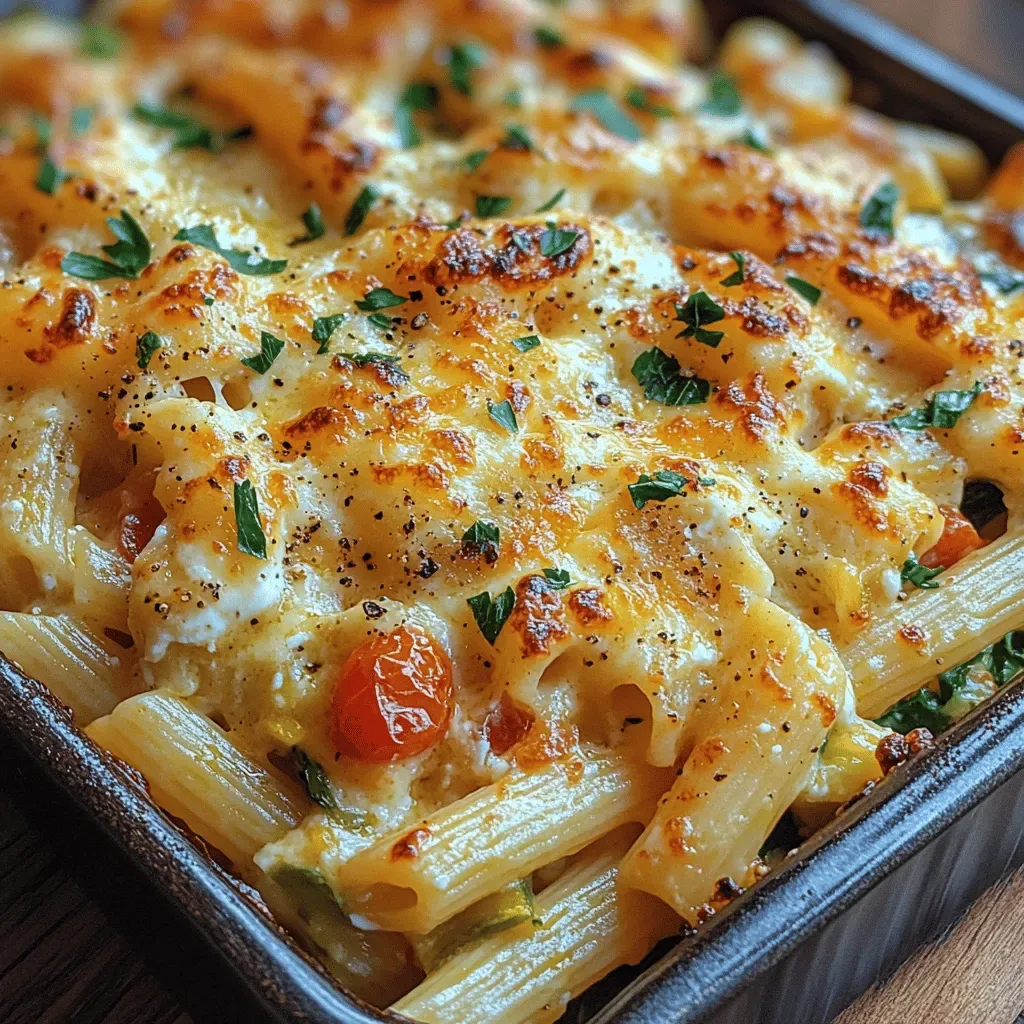
It was a crisp autumn evening when I first stumbled upon the magic of Tuscan cooking. The kitchen was filled with the comforting scent of garlic sizzling in butter, and the golden light from the window painted everything a warm amber hue. As I lifted the lid of a pot simmering with sun‑dried tomatoes and fresh spinach, a cloud of fragrant steam hit my face, and I could swear I heard the hills of Tuscany whispering their secret recipes. That moment sparked a curiosity that turned into a full‑blown love affair with a dish that balances creamy richness with bright, sun‑kissed flavors—our Irresistible Tuscan Chicken.
What makes this chicken truly unforgettable is the way each component sings in harmony. The chicken breasts stay juicy and tender, wrapped in a velvety sauce that carries the deep umami of sun‑dried tomatoes, the sharp bite of fresh garlic, and the subtle earthiness of spinach. Every bite feels like a warm hug from a nonna who knows exactly how to coax the best from simple pantry staples. And the best part? You don’t need a culinary degree or a fancy stovetop to pull it off—just a pinch of patience, a dash of love, and a few trusty ingredients.
But wait—there’s a secret technique I discovered after a kitchen mishap that takes this dish from “delicious” to “legendary.” I’ll spill the beans later, but trust me, it’s a game‑changer that will have your family asking for seconds, and maybe even thirds. Imagine the look on your guests’ faces when they taste that silky sauce that clings perfectly to each morsel of chicken, delivering a burst of flavor that lingers long after the plate is empty.
Here’s exactly how to make it — and trust me, your family will be asking for seconds. Grab a skillet, gather the ingredients, and get ready to embark on a culinary adventure that brings a slice of Tuscany straight to your table. The steps are simple, the flavors are bold, and the memories you’ll create are priceless. Let’s dive in and uncover every delicious detail.
🌟 Why This Recipe Works
- Flavor Depth: Sun‑dried tomatoes packed in oil release a concentrated umami that infuses the sauce, while fresh garlic adds a fragrant backbone that awakens the palate.
- Creamy Texture: Heavy cream creates a luxurious mouthfeel that coats the chicken and spinach, turning each bite into a silky experience that’s hard to resist.
- Balanced Nutrition: The dish offers protein from the chicken, vitamins from spinach, and healthy fats from the cream and broth, making it a well‑rounded meal.
- Ease of Preparation: With just one skillet and a handful of steps, you can have a restaurant‑quality plate on the table in under an hour.
- Versatility: This base can be tweaked for different diets—swap cream for coconut milk, or add mushrooms for an earthy twist.
- Crowd‑Pleasing Factor: The combination of familiar ingredients and a hint of Italian flair appeals to both kids and adults, making it perfect for family dinners.
- Time Efficiency: While the flavors develop slowly, the active cooking time is short, leaving you free to set the table or enjoy a glass of wine.
- Ingredient Quality: Using fresh, high‑quality components—like real Parmesan and fresh spinach—elevates the dish without adding complexity.
🥗 Ingredients Breakdown
The Foundation: Protein & Creaminess
Boneless, Skinless Chicken Breasts are the star of the show. I usually use about 3‑4 chicken breasts, but you can adjust the amount depending on how many people you’re feeding. The key is to choose breasts that are uniform in thickness so they cook evenly; if they’re uneven, a quick pound with a meat mallet does the trick. Heavy Cream brings that luscious, velvety texture that clings to every bite, and while it adds richness, you can substitute half‑and‑half if you prefer a lighter version without sacrificing too much silkiness.
Aromatics & Flavor Boosters
Fresh Garlic is a non‑negotiable. Choose firm, fresh cloves and mince them finely; the tiny pieces release more allicin, giving you that unmistakable garlic perfume that makes your mouth water. Sun‑Dried Tomatoes, especially those packed in oil, provide a burst of sweet‑tart umami that brightens the sauce. Their concentrated flavor is what makes this dish feel indulgent, and the oil they’re packed in adds a subtle richness that you’ll love. Chicken Broth, preferably low‑sodium, adds depth without overwhelming the palate, letting the other ingredients shine.
The Secret Weapons: Greens & Cheese
Fresh Spinach brings a pop of color and a gentle earthiness that balances the richness of the cream. A handful is enough; it wilts quickly and blends seamlessly into the sauce, adding a nutritional boost of iron and vitamins. Parmesan Cheese, freshly grated, adds a salty, nutty finish that ties everything together. Avoid pre‑grated options—they contain anti‑caking agents that can affect texture and flavor.
Finishing Touches & Optional Extras
A pinch of freshly cracked black pepper and a dash of sea salt are essential for seasoning, but you can also experiment with a pinch of red pepper flakes for subtle heat. If you love herbs, a sprinkle of fresh basil or thyme right before serving adds an aromatic lift. And for those who love a little crunch, toasted pine nuts tossed on top give a delightful contrast to the creamy sauce.
With your ingredients prepped and ready, let's get cooking. Here's where the fun really begins…

🍳 Step-by-Step Instructions
-
Begin by patting the chicken breasts dry with paper towels, then season both sides generously with salt and freshly cracked black pepper. The seasoning not only flavors the meat but also helps form a beautiful crust when seared. Heat a large skillet over medium‑high heat and add a splash of olive oil—just enough to coat the bottom. Once the oil shimmers, lay the chicken in the pan, hearing that satisfying sizzle that signals a good sear is about to happen.
💡 Pro Tip: Press the chicken gently with a spatula for the first 30 seconds; this ensures even contact with the pan and a uniform golden crust. -
Cook the chicken for about 5‑6 minutes on each side, or until each side turns a deep golden brown and the interior reaches 165°F (74°C). As the chicken cooks, the aromatics will fill the kitchen, and you’ll notice the edges of the meat turning slightly caramelized. Once done, transfer the chicken to a plate, cover loosely with foil, and let it rest while you build the sauce. Resting allows the juices to redistribute, keeping the meat moist.
-
In the same skillet, reduce the heat to medium and add a little more olive oil if the pan looks dry. Toss in the minced garlic, stirring quickly to avoid burning—garlic burns fast and turns bitter, so keep it moving. After about 30 seconds, the garlic will turn a light golden hue and release an intoxicating aroma that makes your stomach growl. Next, stir in the sun‑dried tomatoes, allowing them to soak up the pan’s residual heat and release their oils.
⚠️ Common Mistake: Adding garlic too early or at too high a temperature can scorch it, leaving a bitter taste that overwhelms the sauce. -
Now pour in the low‑sodium chicken broth, scraping the browned bits from the bottom of the pan with a wooden spoon. These browned bits, called fond, are flavor gold and will enrich the sauce dramatically. Let the broth simmer for about 3‑4 minutes, reducing slightly so the flavors concentrate. At this point, you’ll notice a gentle bubbling around the edges—a sign the sauce is thickening nicely.
-
Stir in the heavy cream, watching as the sauce transforms from a light broth to a thick, velvety custard. Reduce the heat to low and let it simmer gently for another 2‑3 minutes, allowing the cream to meld with the broth and tomatoes. The sauce should coat the back of a spoon—if it’s too thin, let it reduce a bit longer; if it’s too thick, a splash more broth will loosen it.
-
Add the fresh spinach in a handful at a time, letting each addition wilt before adding the next. The spinach will quickly shrink, turning a deep emerald green that adds both color and a subtle earthiness. As the spinach folds into the sauce, sprinkle in the freshly grated Parmesan cheese, stirring until it melts completely and the sauce becomes glossy.
💡 Pro Tip: Grate Parmesan directly into the pan; the cheese’s natural oils will emulsify the sauce, preventing it from separating. -
Return the rested chicken breasts to the skillet, nestling them into the sauce. Spoon some of the creamy mixture over each piece, ensuring they’re fully coated. Let everything simmer together for another 3‑4 minutes, allowing the chicken to reabsorb some of the sauce’s flavors. You’ll see the sauce cling lovingly to the meat, creating a glossy finish that looks restaurant‑ready.
-
Taste the sauce and adjust seasoning with a pinch more salt or a grind of black pepper if needed. If you love a hint of heat, now’s the moment to sprinkle in a pinch of red pepper flakes. Finally, turn off the heat, garnish with a drizzle of extra‑virgin olive oil and a sprinkle of fresh basil or parsley for a pop of color.
-
Serve the Tuscan chicken over a bed of al dente pasta, fluffy rice, or even creamy polenta. The sauce is so luscious that it doubles as a perfect spoon‑able accompaniment. Pair the dish with a crisp white wine—perhaps a Pinot Grigio—to cut through the richness, and you’ve got a dinner that feels both comforting and celebratory.
💡 Pro Tip: Let the plated dish sit for two minutes before serving; this brief rest lets the flavors meld even further, delivering a more cohesive taste.
And there you have it! But before you dig in, let me share some tips that will take this from great to absolutely unforgettable…
🔐 Expert Tips for Perfect Results
The Taste Test Trick
Always taste your sauce before adding the final garnish. A quick spoonful will reveal whether you need a pinch more salt, a splash of acidity, or a dash of pepper. Trust your palate; it’s the most reliable guide in the kitchen.
Why Resting Time Matters More Than You Think
After cooking, let the chicken rest for at least five minutes. This short pause lets the juices redistribute, preventing them from spilling out the moment you cut into the meat. The result is a juicier, more flavorful bite every time.
The Seasoning Secret Pros Won’t Tell You
Season in layers—first the chicken, then the sauce, and finally the finished dish. Each layer builds depth, ensuring that no single component feels flat. I once skipped the middle step and the sauce tasted flat; now I never miss it.
How to Keep the Sauce from Curdling
When adding cream, keep the heat low and avoid a rolling boil. High heat can cause the dairy proteins to separate, resulting in a grainy texture. A gentle simmer is all you need for a smooth, cohesive sauce.
The Best Way to Incorporate Spinach
Add spinach in batches, allowing each handful to wilt before adding the next. This method prevents the pan from becoming too watery and ensures the spinach integrates fully, giving you that vibrant green swirl throughout the sauce.
🌈 Delicious Variations to Try
One of my favorite things about this recipe is how versatile it is. Here are some twists I've tried and loved:
Mushroom Medley
Swap half of the chicken broth for a splash of dry white wine and add sliced cremini mushrooms when you sauté the garlic. The mushrooms bring an earthy depth that pairs beautifully with the creamy sauce.
Spicy Arrabbiata Twist
Add a teaspoon of crushed red pepper flakes with the sun‑dried tomatoes, and finish with a drizzle of chili‑infused olive oil. This version adds a pleasant heat that cuts through the richness, perfect for spice lovers.
Mediterranean Olive Burst
Stir in a handful of sliced Kalamata olives and a teaspoon of capers during the final minutes of simmering. The briny notes introduce a Mediterranean flair that complements the tomatoes and spinach.
Creamy Coconut Alternative
Replace heavy cream with full‑fat coconut milk for a dairy‑free version. The coconut adds a subtle tropical sweetness that pairs surprisingly well with the savory base.
Herb‑Infused Delight
Mix fresh chopped rosemary and thyme into the sauce just before serving. The herbs lend an aromatic lift that makes the dish feel even more rustic and comforting.
📦 Storage & Reheating Tips
Refrigerator Storage
Allow the dish to cool to room temperature, then transfer it to an airtight container. It will keep nicely for up to 3 days. When reheating, add a splash of chicken broth or milk to restore the sauce’s silky texture.
Freezing Instructions
Portion the chicken and sauce into freezer‑safe bags or containers, leaving a little headspace for expansion. Freeze for up to 2 months. Thaw overnight in the fridge, then reheat gently on the stovetop, stirring occasionally.
Reheating Methods
The best way to reheat without drying out is a low‑heat simmer on the stovetop, adding a tablespoon of broth or cream every few minutes. Alternatively, cover the dish with foil and warm it in a 300°F (150°C) oven for about 15 minutes, checking for consistency.