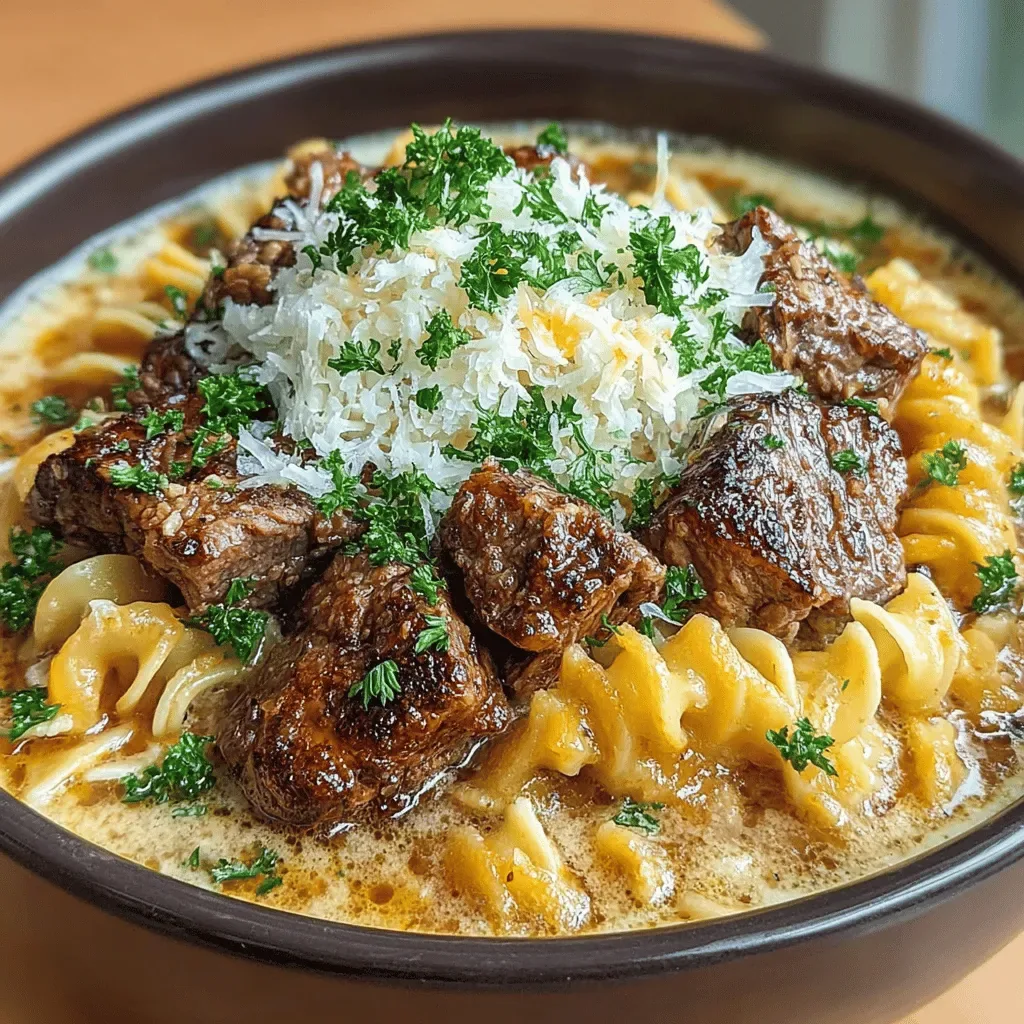
It was a blustery Saturday in late November, the kind of day when the wind whistles through the cracks of the old stone walls and the hearth seems to sigh in anticipation. I remember pulling my woolen sweater tighter around my shoulders, the scent of rain mingling with the faint aroma of woodsmoke, and thinking, “What could possibly warm a family gathered around the table?” The answer, as it turned out, was a pot of Irish stew bubbling merrily on the stove, its steam curling up like a cozy blanket of fragrant clouds. When I lifted the lid, a wave of earthy rosemary, sweet carrots, and buttery potatoes surged forward, filling the kitchen with a perfume that felt both nostalgic and brand‑new, as if the very soul of Ireland had stepped through the doorway.
I grew up watching my grandmother coax flavors out of humble ingredients, letting each vegetable and piece of meat tell its own story. She’d tell me, “A good stew isn’t rushed; it’s a conversation between the fire and the food.” That philosophy has stuck with me, and it’s exactly why this Irish stew paired with silky mashed potatoes feels like a hug in a bowl. The stew’s broth is thick enough to cling to the fork, yet light enough to let the tender lamb and sweet root vegetables shine, while the mashed potatoes provide a buttery canvas that soaks up every last drop of savory goodness. Imagine the contrast: the robust, herb‑infused broth against the creamy, velvety potatoes—each bite a perfect balance of heartiness and comfort.
But there’s more to this dish than just comfort; it’s a culinary bridge between generations. The recipe I’m about to share has been refined over countless family gatherings, each iteration adding a whisper of something new—a dash of fresh thyme here, a splash of whole milk there—until it reached the harmony you’ll taste today. And if you’re wondering why this version feels so special compared to the ones you’ve tried at a restaurant, the secret lies in the simple, intentional steps I’ll reveal later. Trust me, once you master this, you’ll never look at a pot of stew the same way again.
Here’s the thing: the magic isn’t just in the ingredients, it’s in the technique, the timing, and the love you pour in. I’ve tucked away a few little tricks that will turn an ordinary pot into a masterpiece, and I’m saving the best one for step four—so keep reading! Ready to bring a taste of Irish countryside warmth to your own kitchen? Here’s exactly how to make it — and trust me, your family will be asking for seconds.
🌟 Why This Recipe Works
- Flavor Depth: Slow‑cooking the lamb with aromatics creates a broth that’s rich, layered, and deeply satisfying, allowing the meat’s natural juices to mingle with herbs and vegetables for a taste that deepens with every minute.
- Texture Harmony: The stew offers tender chunks of meat and soft, melt‑in‑your‑mouth potatoes, while the mashed potatoes provide a contrasting silkiness that balances the hearty broth without becoming soggy.
- Ease of Preparation: Despite its comforting complexity, the recipe uses straightforward steps and common pantry staples, making it accessible for both novice cooks and seasoned home chefs.
- Time Efficiency: With a total cook time of under an hour, you can have a slow‑cooked flavor profile without the all‑day wait, perfect for busy weeknights or relaxed weekend meals.
- Versatility: The base can be adapted with different proteins, like beef or even a plant‑based alternative, and you can swap vegetables based on what’s in season, making it a year‑round crowd‑pleaser.
- Nutrition Boost: Packed with lean protein, fiber‑rich root vegetables, and wholesome dairy, this dish offers balanced nutrition while still feeling indulgent.
- Ingredient Quality: Using fresh herbs, high‑quality lamb, and real butter elevates the dish from everyday to extraordinary, turning simple ingredients into a memorable experience.
- Crowd‑Pleasing Factor: The comforting aromas and familiar flavors make it a hit with kids, adults, and even the pickiest eaters, ensuring that no one leaves the table unsatisfied.
🥗 Ingredients Breakdown
The Foundation
The cornerstone of any great stew is a good protein, and here we use lamb shoulder because its marbling provides both flavor and tenderness when simmered slowly. If lamb isn’t your preference, a well‑trimmed beef chuck works just as beautifully, offering a similarly rich mouthfeel. The potatoes, diced into bite‑size cubes, not only add body but also act as a natural thickener as they release starch into the broth. Choosing Yukon Gold or a similar waxy variety ensures the potatoes hold their shape while still becoming melt‑in‑your‑mouth soft.
Aromatics & Spices
Onions and garlic are the classic duo that lay the aromatic foundation; the onion’s sweetness mellows as it cooks, while garlic adds that unmistakable punch of warmth. Carrots and celery contribute a subtle earthiness and a hint of natural sweetness, balancing the richness of the meat. Fresh thyme and rosemary are essential Irish herbs—thyme offers a gentle piney note, while rosemary brings a resinous, almost citrus‑like brightness that cuts through the stew’s heaviness. Finally, a generous pinch of sea salt and freshly cracked black pepper elevates every component, ensuring the flavors sing in unison.
The Secret Weapons
Tomato paste might seem like an odd addition, but its concentrated umami amplifies the stew’s depth without making it taste tomato‑eyed. A splash of whole milk added toward the end creates a velvety finish, softening the edges of the broth and marrying the flavors together. Butter, melted into the mash, provides that luxurious mouthfeel that makes each spoonful feel like a celebration. And don’t overlook the parsley—its fresh, bright flavor is the final spark that lifts the entire dish.
Finishing Touches
A final drizzle of melted butter over the mashed potatoes adds a glossy sheen and a buttery aroma that’s impossible to resist. A sprinkle of chopped parsley just before serving adds a pop of color and a fresh herbaceous note that balances the richness. If you like a touch of heat, a pinch of crushed red pepper flakes can be stirred in at the very end, offering a subtle kick that awakens the palate.
With your ingredients prepped and ready, let's get cooking. Here's where the fun really begins...

🍳 Step-by-Step Instructions
Begin by patting the lamb shoulder cubes dry with paper towels, then season them liberally with salt and pepper. In a large, heavy‑bottomed pot, melt 2 tablespoons of butter over medium‑high heat until it foams, and add the lamb pieces in a single layer. Let them sear without stirring for about 3‑4 minutes, until a deep golden crust forms—this is the Maillard reaction doing its magic, creating that irresistible caramelized flavor. Once browned, turn the pieces and sear the other side, then remove the meat and set it aside on a plate.
In the same pot, add the chopped onion and a pinch of salt, cooking over medium heat until the onion becomes translucent and starts to turn a soft golden hue, about 5 minutes. Add the minced garlic and continue to sauté for another 30 seconds, just until fragrant—be careful not to let it burn, as burnt garlic can turn bitter. Next, stir in the diced carrots and celery, letting them soften slightly for 3‑4 minutes; this step builds the aromatic base that will infuse the entire stew.
Now, return the browned lamb to the pot, and sprinkle the tomato paste over the mixture. Cook, stirring constantly, for about 2 minutes; the paste will darken and deepen, releasing its umami richness. Pour in 2 cups of lamb or beef broth and 1 cup of water, then add the fresh thyme, rosemary, and a bay leaf if you have one on hand. Bring the liquid to a gentle boil, then reduce the heat to a low simmer, covering the pot partially with a lid.
Let the stew simmer gently for 20 minutes, then add the diced potatoes. The potatoes will release starch, naturally thickening the broth; this is why we don’t add a flour slurry. Stir the pot occasionally, ensuring nothing sticks to the bottom, and watch for the moment when the potatoes are just tender when pierced with a fork—about 10‑12 minutes more. At this point, taste the broth and adjust seasoning with additional salt, pepper, or a pinch of sugar if the acidity from the tomato paste feels too sharp.
While the stew finishes, prepare the mashed potatoes. Boil the remaining potatoes (or use the same ones if you set aside a portion) in salted water until fork‑tender, about 15 minutes. Drain well, then return them to the pot and mash with a potato masher or ricer. Stir in 2 tablespoons of butter, the ½ cup of whole milk, and a pinch of salt, whipping until the mash is smooth, airy, and just a touch glossy. For an extra fluffy texture, pass the mash through a fine sieve before mixing in the butter.
When the stew is ready, remove the bay leaf and give everything a final stir, allowing the flavors to meld for another 2 minutes off the heat. Sprinkle the freshly chopped parsley over the top, and give the stew a gentle swirl to distribute the herb evenly. If you love a little extra richness, melt an additional tablespoon of butter and drizzle it over the stew just before serving; the butter will melt into a glossy sheen that looks as good as it tastes.
To plate, spoon a generous mound of creamy mashed potatoes onto each plate, creating a small well in the center. Ladle the hearty stew over the potatoes, letting the broth cascade down the sides. Serve immediately, offering extra parsley and a wedge of crusty Irish soda bread on the side for dipping. Go ahead, take a taste — you’ll know exactly when it’s right, and the comforting aroma will make the whole house feel like a cozy cottage.
And there you have it! But before you dig in, let me share some tips that will take this from great to absolutely unforgettable...
🔐 Expert Tips for Perfect Results
The Taste Test Trick
Always taste your stew at three stages: after the broth comes to a simmer, after the potatoes are added, and right before serving. This layered tasting helps you catch any seasoning gaps early, allowing you to adjust with a pinch of salt, a dash of pepper, or a splash of extra broth. I once served a batch that was a touch bland because I skipped the middle tasting, and the feedback was a gentle reminder—never underestimate the power of a quick spoonful.
Why Resting Time Matters More Than You Think
Once the stew is off the heat, let it rest for at least 10 minutes with the lid slightly ajar. This resting period lets the fibers of the lamb relax and the starches in the potatoes fully integrate, resulting in a richer, more cohesive flavor. I’ve noticed that stews that skip this step often taste “flat,” as if the flavors haven’t had a chance to marry properly.
The Seasoning Secret Pros Won’t Tell You
A splash of sherry or a teaspoon of Worcestershire sauce added during the final simmer adds a subtle depth that you can’t quite pin down, but it elevates the entire dish. It’s a trick chefs use to add complexity without overwhelming the palate. Trust me on this one: the next time you serve the stew, a few diners will comment on that “something extra” they can’t quite name.
The Butter‑Mash Balance
When mashing the potatoes, use warm milk and melted butter rather than cold, as this prevents the mash from becoming gummy. The warm liquids blend more smoothly, creating a silkier texture that complements the stew’s hearty broth. A small mistake here—adding cold milk—can make the mash feel clumpy, ruining that luxurious mouthfeel.
How to Keep the Stew from Becoming Too Thick
If the stew thickens more than you’d like during the final simmer, simply stir in a bit more broth or water, a tablespoon at a time, until you reach your desired consistency. Remember, the potatoes will continue to release starch as they sit, so a slightly thinner broth at serving time often ends up perfectly thick after a few minutes of resting.
The Final Garnish Game‑Changer
A final drizzle of herb‑infused olive oil—olive oil mixed with a pinch of minced garlic and a sprig of thyme—adds a glossy finish and a burst of fresh flavor. It’s a simple step that makes the dish look restaurant‑ready and adds an extra layer of aroma that hits the nose just as you’re about to dig in. I’ve served this to friends who claimed it tasted “like it came from a five‑star cottage inn.”
🌈 Delicious Variations to Try
One of my favorite things about this recipe is how versatile it is. Here are some twists I’ve tried and loved:
Celtic Beer‑Braised Stew
Swap half of the broth for a robust Irish stout; the maltiness adds a caramel‑sweet undertone that pairs beautifully with the lamb. The result is a stew with a slightly darker color and a richer, almost chocolatey depth that makes the potatoes taste even more buttery.
Root Vegetable Medley
Add parsnips, turnips, and a handful of diced swede (rutabaga) alongside the carrots. These vegetables bring an earthy sweetness and a subtle peppery bite, turning the stew into a true celebration of autumn’s bounty.
Herb‑Infused Creamy Mash
Fold in fresh chives, dill, or even a spoonful of crème fraîche into the mashed potatoes for a tangy, herbaceous twist. This variation adds a bright contrast that lifts the heaviness of the stew without sacrificing comfort.
Spicy Irish Kick
Stir in a teaspoon of harissa paste or a pinch of cayenne pepper during the final simmer for a gentle heat that awakens the palate. The spice doesn’t dominate; it simply adds a subtle warmth that makes the dish perfect for chilly evenings.
Vegetarian Hearty Stew
Replace the lamb with hearty mushrooms (like portobello or cremini) and add a cup of cooked lentils for protein. The umami from the mushrooms and the earthiness of lentils create a satisfying, meat‑free version that still delivers the classic stew comfort.
📦 Storage & Reheating Tips
Refrigerator Storage
Allow the stew to cool to room temperature (no more than two hours), then transfer it to an airtight container. It will keep beautifully for up to 3 days, and the flavors actually improve as they meld. Keep the mashed potatoes in a separate container to maintain their creamy texture; reheat them together for the best experience.
Freezing Instructions
Both the stew and the mashed potatoes freeze well. Portion the stew into freezer‑safe bags, leaving a little headspace for expansion, and freeze for up to 2 months. For the mash, place it in a shallow airtight container, smooth the top with a spatula, and cover tightly. When ready to use, thaw overnight in the fridge and reheat gently.
Reheating Methods
To reheat the stew, place it in a saucepan over low‑medium heat, adding a splash of broth or water if it looks thick. Stir occasionally until it bubbles gently and is heated through. For the mashed potatoes, reheat in a microwave with a drizzle of milk and a pat of butter, stirring halfway through, or gently warm in a saucepan, mashing again to restore that silky texture. The trick to reheating without drying it out? A splash of milk or broth and low heat, which keeps everything moist and flavorful.