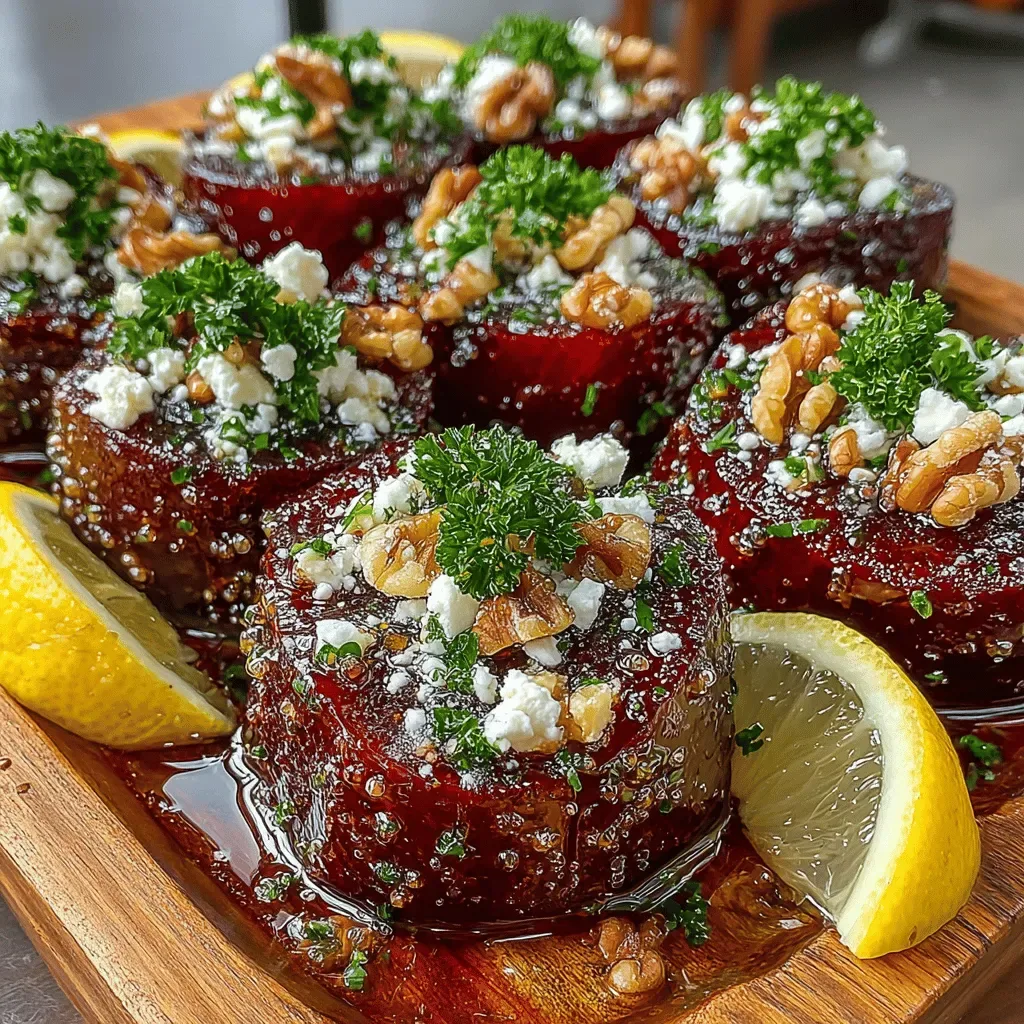
Love this? Pin it for later!
Healthy Lemon & Herb Roasted Cabbage with Winter Root Vegetables
Transform humble winter produce into a restaurant-worthy main dish that celebrates the season's best flavors. This vibrant, nourishing recipe has become my go-to for cozy dinner parties and meal prep Sundays alike.
Why This Recipe Works
- One-pan wonder: Minimal cleanup with maximum flavor development as vegetables roast together
- Nutrient-dense: Packed with vitamins A, C, and K from cabbage and root vegetables
- Meal prep friendly: Tastes even better the next day as flavors meld together
- Budget-conscious: Uses inexpensive, readily available winter produce
- Customizable: Swap vegetables based on what's in season or your preferences
- Plant-based protein: Add chickpeas or white beans for a complete vegetarian meal
Ingredients You'll Need

Each ingredient in this recipe serves a purpose, creating a harmonious blend of flavors and textures. Let's break down what you'll need and why each component matters:
The Star: Cabbage
Choose a firm, heavy head of green cabbage with crisp outer leaves. The cabbage becomes meltingly tender in the center while developing caramelized, crispy edges. For best results, select a medium-sized head (about 2 pounds) that feels dense for its size. Red cabbage works beautifully too, adding stunning color and slightly peppery notes.
Winter Root Vegetables
Carrots: Select medium-sized carrots with vibrant orange color and smooth skin. Avoid those with cracks or soft spots. Rainbow carrots add visual appeal with their purple, yellow, and white varieties, each offering slightly different flavor profiles.
Parsnips: Look for small to medium parsnips, as larger ones tend to have woody cores. They add natural sweetness and a creamy texture when roasted. If parsnips aren't available, substitute with additional carrots or sweet potatoes.
Beets: Golden beets are milder and won't stain your cutting board like red beets. Choose beets that are firm with smooth skins. Leave about 1 inch of stem attached to prevent bleeding during cooking.
Turnips or Rutabaga: These add peppery notes and absorb flavors beautifully. Select smaller specimens for tender texture. If you're not a fan, substitute with additional potatoes or celeriac.
Flavor Enhancers
Lemon: Both zest and juice brighten the earthy vegetables. Choose organic lemons since you'll be using the zest. Meyer lemons offer sweeter, more floral notes if available.
Fresh Herbs: A combination of rosemary and thyme provides aromatic depth. Rosemary's pine-like flavor pairs beautifully with root vegetables, while thyme adds subtle earthiness. Fresh herbs are essential here – dried won't provide the same vibrant flavor.
Garlic: Whole cloves become sweet and mellow when roasted. Choose firm, plump cloves without green sprouts.
The Finishing Touch
Olive Oil: Use good quality extra-virgin olive oil for the best flavor. The oil helps vegetables caramelize and creates those delicious crispy edges we love.
Maple Syrup: Just a touch enhances the natural sweetness of vegetables and helps with caramelization. You can substitute with honey or omit for a sugar-free version.
How to Make Healthy Lemon & Herb Roasted Cabbage with Winter Root Vegetables
Prep and Preheat
Position your oven rack in the center and preheat to 425°F (220°C). This high temperature is crucial for achieving caramelization on your vegetables. Line two large rimmed baking sheets with parchment paper for easy cleanup. The rim prevents vegetables from sliding off, while parchment ensures they don't stick.
Prepare the Cabbage Wedges
Remove any damaged outer leaves from the cabbage, but keep the good ones attached. Cut the cabbage into 8 wedges, keeping the core intact – this prevents the wedges from falling apart during roasting. Each wedge should be about 1-inch thick at the widest part. Gently rinse under cold water to remove any dirt between leaves, then pat completely dry with paper towels. Excess moisture will steam rather than roast the vegetables.
Prep the Root Vegetables
Peel carrots and parsnips, then cut into 2-inch pieces. If parsnips are thick, cut them lengthwise first. Peel beets and cut into 1-inch chunks. For turnips or rutabaga, peel and cut into similar-sized pieces. The key is uniform sizing for even cooking. Place each vegetable type in a separate bowl initially – this allows you to season them individually for maximum flavor.
Create the Flavor Base
In a small bowl, whisk together 1/3 cup olive oil, the zest of 2 lemons, juice of 1 lemon, 2 tablespoons maple syrup, 2 teaspoons salt, 1 teaspoon black pepper, and 1/2 teaspoon red pepper flakes (optional). This creates an emulsion that will coat the vegetables evenly. The maple syrup helps with caramelization and balances the lemon's acidity.
Season the Vegetables
Place cabbage wedges in a large bowl and drizzle with 1/4 of the lemon-herb mixture, ensuring each wedge is well-coated. In a separate bowl, toss root vegetables with remaining mixture. Add 4 sprigs of fresh rosemary and 6 sprigs of fresh thyme to the vegetables. The herbs will infuse their aromatic oils during roasting.
Arrange for Optimal Roasting
Spread root vegetables on one baking sheet in a single layer, cut sides down for maximum caramelization. On the second sheet, arrange cabbage wedges with space between each piece. Add 8 whole garlic cloves (with skins on) to each pan. Crowding will steam rather than roast the vegetables, so use two pans if necessary.
The First Roast
Place both sheets in the preheated oven and roast for 20 minutes. This initial blast of heat starts the caramelization process. Meanwhile, prepare any additional toppings like toasted nuts or seeds if using.
Flip and Continue Roasting
Remove pans from oven and flip vegetables using a thin spatula. The undersides should be golden brown. If vegetables stick, let them cook 2-3 minutes more. Return to oven and roast another 15-20 minutes until vegetables are tender and edges are crispy. Cabbage should be tender in the center with crispy, caramelized edges.
Final Touches
Remove from oven and let cool for 5 minutes. This resting time allows flavors to settle. Squeeze remaining lemon juice over the vegetables. Remove garlic cloves from skins – they'll be sweet and spreadable. Garnish with fresh parsley, additional lemon zest, and toasted pumpkin seeds for crunch.
Expert Tips
Temperature Matters
Don't be tempted to lower the temperature. High heat is essential for caramelization. If vegetables brown too quickly, move the rack lower rather than reducing heat.
Dry for Success
Pat vegetables completely dry after washing. Moisture is the enemy of crispiness. Even a little water will create steam and prevent proper browning.
Don't Rush the Flip
If vegetables stick when you try to flip them, they're not ready. Let them cook 2-3 minutes more until they release naturally from the pan.
Space It Out
Use two pans rather than crowding one. Overcrowding creates steam and prevents the Maillard reaction that gives you those delicious caramelized edges.
Make It a Meal
Add a can of drained chickpeas during the last 15 minutes of roasting for plant-based protein that transforms this side into a main dish.
Seasonal Swaps
In spring, swap root vegetables for asparagus and snap peas. In summer, use zucchini, bell peppers, and cherry tomatoes with the same seasoning blend.
Variations to Try
Mediterranean Style
Add Kalamata olives, sun-dried tomatoes, and crumbled feta in the last 10 minutes. Finish with fresh oregano and a drizzle of balsamic glaze.
Asian-Inspired
Replace herbs with ginger and five-spice powder. Use sesame oil instead of olive oil. Top with sesame seeds and scallions.
Spicy Cajun
Add Cajun seasoning and smoked paprika. Include andouille sausage slices for meat-lovers. Serve with hot sauce on the side.
Storage Tips
Refrigeration
Store cooled vegetables in an airtight container for up to 5 days. Separate cabbage wedges from root vegetables if possible, as they reheat at different rates. The flavors actually improve after 24 hours as they meld together.
Freezing
While roasted vegetables can be frozen, the texture changes upon thawing. If you must freeze, undercook slightly, cool completely, and freeze in single layers on a baking sheet before transferring to freezer bags. Use within 2 months for best quality. Thaw in refrigerator overnight and reheat in a hot oven to restore some crispness.
Reheating
For best results, reheat in a 400°F oven for 10-15 minutes until heated through. A skillet on medium heat also works well and helps restore some crispness. Avoid the microwave unless you're desperate – it makes vegetables soggy. For meal prep, consider reheating only what you'll eat immediately.
Frequently Asked Questions
Soggy cabbage usually results from overcrowding the pan, insufficient heat, or excess moisture. Make sure your cabbage is completely dry before seasoning, use high heat (425°F), and don't crowd the pan. Also, avoid flipping too early – let the first side get properly caramelized before turning.
Absolutely! This is an excellent make-ahead dish. Roast vegetables up to 2 days ahead and store refrigerated. Reheat in a 400°F oven for 15-20 minutes just before serving. The vegetables actually develop better flavor as they sit. For best presentation, save some fresh herbs and lemon zest to add right before serving.
This versatile dish pairs beautifully with many proteins. For vegetarian options, add chickpeas or white beans during the last 15 minutes of roasting. It also complements grilled salmon, roasted chicken thighs, pork tenderloin, or lamb chops. The lemon-herb seasoning works with most proteins.
If vegetables are burning, your oven might run hot or pieces are too small. Try moving the rack lower, reducing temperature to 400°F, or covering loosely with foil for the remaining cooking time. Also, ensure vegetables are cut into larger, uniform pieces – smaller pieces cook faster and can burn.
Yes! Sage pairs beautifully with root vegetables, though use it sparingly as it's potent. Fresh oregano adds Mediterranean flair. Tarragon gives a lovely anise note. For a different profile, try fresh dill or chives added after roasting rather than before.
Vegetables are perfectly roasted when they're tender enough to pierce with a fork but still hold their shape. Cabbage should have crispy, browned edges and a tender center. Root vegetables should be golden brown on the outside and creamy inside. If in doubt, taste a piece – it should be sweet and fully tender.

Healthy Lemon & Herb Roasted Cabbage with Winter Root Vegetables
Ingredients
Instructions
- Preheat oven: Position rack in center and preheat to 425°F (220°C). Line two large rimmed baking sheets with parchment paper.
- Prepare vegetables: Cut cabbage into 8 wedges, keeping core intact. Cut root vegetables into uniform pieces. Pat everything completely dry.
- Make seasoning mixture: Whisk together olive oil, lemon zest, juice of 1 lemon, maple syrup, salt, pepper, and red pepper flakes.
- Season vegetables: Toss cabbage wedges with 1/4 of the seasoning. In separate bowl, toss root vegetables with remaining seasoning and herbs.
- Arrange on pans: Spread root vegetables on one sheet, cut sides down. Arrange cabbage wedges on second sheet with space between. Add garlic cloves to both pans.
- Roast: Roast for 20 minutes, flip vegetables, then roast another 15-20 minutes until tender and caramelized.
- Finish and serve: Squeeze remaining lemon juice over vegetables. Season with additional salt and pepper if needed. Garnish with parsley and pumpkin seeds.
Recipe Notes
For a complete meal, add a can of drained chickpeas during the last 15 minutes of roasting. The vegetables can be prepped up to 24 hours ahead and stored refrigerated until ready to roast. Leftovers keep for 5 days refrigerated and make excellent additions to grain bowls or salads.