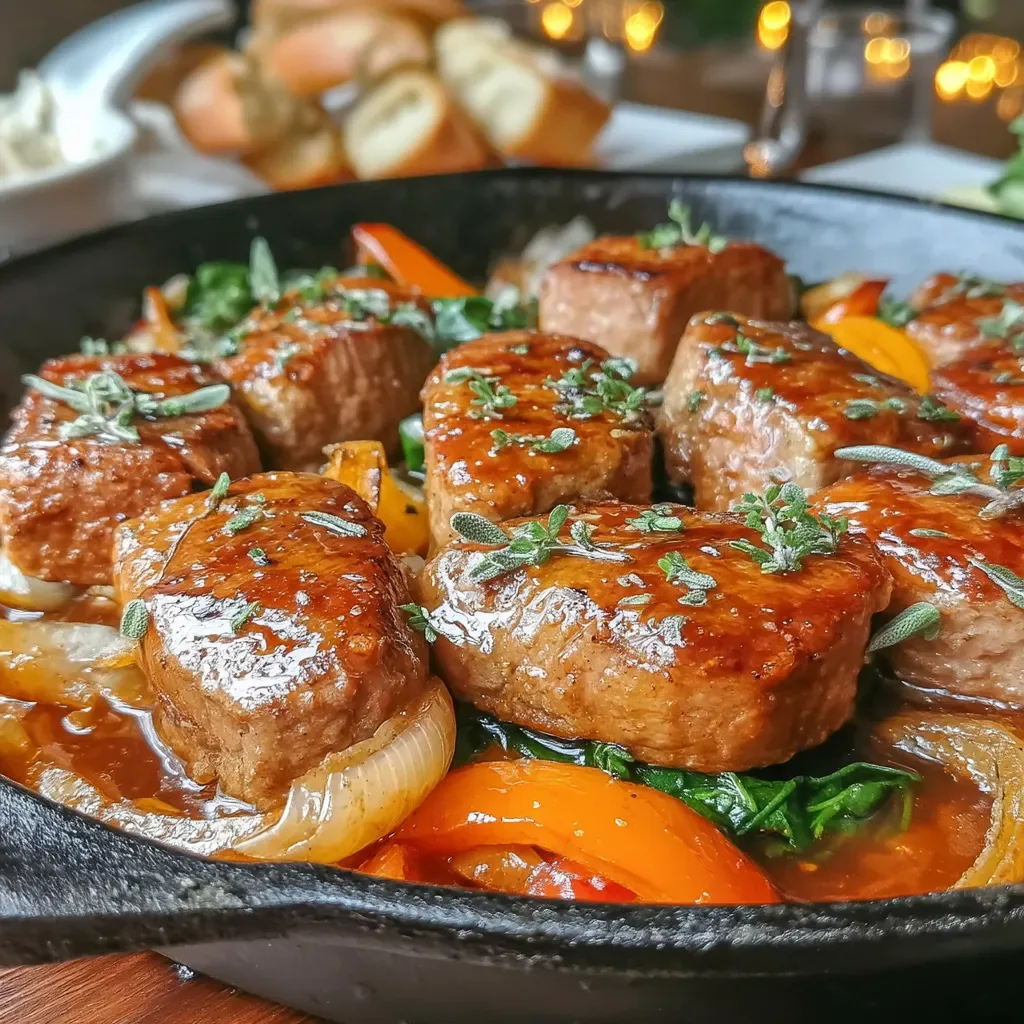
It was the first crisp November morning after a weekend of falling leaves, and the whole house smelled like cinnamon and pine. I remember standing on a wooden stool, watching the steam rise from the pot of simmering broth as my grandmother lifted the lid, releasing a cloud of fragrant steam that seemed to hug every corner of the kitchen. The golden‑brown turkey she pulled from the oven that day was the centerpiece of a table that glittered with candles, and the sound of our family laughing around it still echoes in my mind. That memory sparked my quest to create a turkey recipe that captures that same magic but is simple enough for any home cook to master without a culinary degree.
When I first tried to replicate Grandma’s turkey, I was overwhelmed by the endless list of techniques—brining, spatchcocking, basting every fifteen minutes, and the dreaded “dry turkey” nightmare. After countless trial runs, I discovered a handful of shortcuts that preserve juiciness, amplify flavor, and keep the process stress‑free. The result? An Easy Thanksgiving Turkey that delivers a crisp, caramelized skin while the meat stays buttery‑soft, all without a full‑day commitment. Imagine the moment you carve the bird and the skin crackles softly, releasing an aromatic burst of rosemary, lemon, and butter that makes everyone lean in for a closer look.
What makes this recipe truly stand out is its balance of tradition and practicality. I use a simple turkey seasoning blend that you can assemble in minutes, and the butter‑infused aromatics do the heavy lifting that would otherwise require hours of marinating. But wait—there’s a secret trick in step 4 that will transform the way you think about turkey moisture, and I’ll reveal it shortly. You’ll also learn why a handful of fresh herbs can make a world of difference, and how a quick basting technique can turn a good turkey into a legendary one.
Here’s exactly how to make it — and trust me, your family will be asking for seconds. Grab a pen, set your oven to the right temperature, and let’s dive into a turkey that’s as effortless as it is unforgettable. The journey from raw bird to golden masterpiece is packed with tips, anecdotes, and a few surprises that will keep you turning pages until the very last bite.
🌟 Why This Recipe Works
- Flavor Depth: The combination of turkey seasoning, butter, and fresh herbs creates layers of flavor that build as the bird roasts, ensuring every bite is aromatic and savory.
- Moisture Retention: Butter and lemon juice work together to keep the meat moist, while the aromatics create a natural steam pocket inside the cavity.
- Ease of Execution: With just a handful of steps and minimal prep, even novice cooks can achieve professional‑grade results without a complicated brine.
- Time Efficiency: The recipe balances a quick prep time with a straightforward roasting schedule, leaving you more time to enjoy the holiday with loved ones.
- Versatility: The base can be adapted with different herbs or spices, making it perfect for any regional twist you might crave.
- Nutrition Balance: Using fresh herbs and lemon adds antioxidants and vitamin C, while butter provides a satisfying richness without overwhelming the palate.
- Ingredient Quality: Fresh herbs and real butter elevate the dish far beyond a dry, processed‑flavor turkey that many store‑bought versions suffer from.
- Crowd‑Pleasing Factor: The golden, crispy skin and juicy meat appeal to both traditionalists and adventurous eaters, making it a guaranteed hit at any gathering.
🥗 Ingredients Breakdown
The Foundation
The star of the show is, of course, the turkey itself. A fresh, preferably heritage breed turkey brings a richer, more complex flavor compared to the standard frozen birds you find in most supermarkets. Look for a bird that feels firm to the touch and has a slight pink hue in the meat; this indicates it hasn't been over‑processed. If you can, choose a turkey that’s been air‑chilled, as this method preserves moisture better than water‑injected alternatives.
Aromatics & Spices
Our turkey seasoning blend is a simple mix of salt, pepper, paprika, and a pinch of garlic powder. This trio creates a balanced base that’s neither too salty nor overly spicy. The ½ cup of butter, softened to room temperature, acts as a carrier for the aromatics, ensuring they melt into the skin and baste the meat from the inside out. The three onions, quartered, add a subtle sweetness that caramelizes as they roast, while the eight garlic cloves infuse the cavity with a warm, earthy aroma that’s instantly recognizable.
The Secret Weapons
Lemons are the unsung heroes of many Thanksgiving dishes. Their bright acidity cuts through the richness of butter and meat, while their zest adds a fragrant citrus note that lifts the entire flavor profile. Slice the lemons and tuck them inside the cavity along with the rosemary sprigs and fresh thyme; as the turkey roasts, the citrus oils mingle with the herbaceous oils, creating a fragrant steam that permeates the meat.
Rosemary and thyme bring a piney, slightly floral character that is quintessentially autumnal. The 5 rosemary sprigs and ½ cup of fresh thyme are generous enough to infuse the bird without overpowering it. Fresh sage leaves, with their earthy, slightly peppery taste, round out the herb trio, giving the turkey a depth that dried herbs simply can’t match.
Finishing Touches
Butter, herbs, and citrus all work together during the roasting process, but a final brush of melted butter just before the turkey rests adds a glossy finish that looks as good as it tastes. This last step also helps seal in the juices, ensuring that each slice remains tender and succulent. If you’re feeling adventurous, a sprinkle of flaky sea salt on the skin right before serving adds a delightful crunch that contrasts beautifully with the soft meat.
With your ingredients prepped and ready, let's get cooking. Here's where the fun really begins...

🍳 Step-by-Step Instructions
Preheat your oven to 325°F (165°C) and position the rack in the lower third of the oven. While the oven warms, remove the turkey from its packaging, pat it dry with paper towels, and let it sit at room temperature for about 20 minutes. This step helps the skin dry out slightly, which is key to achieving that coveted crispness. The kitchen will start to fill with the faint scent of raw poultry—a reminder that the transformation is about to begin.
In a small bowl, combine the turkey seasoning with softened butter until you have a smooth paste. Gently lift the skin over the breast and thighs, being careful not to tear it, and spread half of the butter‑seasoning mixture directly onto the meat beneath the skin. This “under‑the‑skin” technique ensures the flavor penetrates deeply, making each bite burst with seasoned goodness. Pro Tip: If the skin resists, use a spoon to create a small opening and work the mixture in gradually.
Stuff the cavity with the quartered onions, lemon halves, rosemary sprigs, thyme, and sage leaves. Add the remaining garlic cloves, crushing them lightly with the back of a knife to release their oils. The aromatics will steam inside the bird, infusing the meat from the inside while also creating a flavorful base for the pan juices that will later become your gravy. As the turkey begins to roast, the aromas will rise, filling the kitchen with an intoxicating mix of citrus and herb.
Rub the outside of the turkey with the remaining butter‑seasoning mixture, making sure to coat the entire surface evenly. Sprinkle a light dusting of sea salt over the skin; this not only seasons the exterior but also aids in creating a crisp, crackly crust. Place the turkey breast‑side up on a roasting rack set inside a large roasting pan. The rack allows hot air to circulate, ensuring even cooking and preventing the bottom from becoming soggy.
Slide the pan into the preheated oven and roast for 15 minutes per pound, basting every 30 minutes with the pan juices or the reserved butter‑seasoning. When you first open the oven door, you’ll hear a gentle sizzle as the butter meets the hot skin—a sound that signals the beginning of that golden caramelization. Keep an eye on the color; you’re looking for a deep amber hue that indicates the Maillard reaction is in full swing.
About 30 minutes before the estimated finish time, increase the oven temperature to 375°F (190°C) to give the skin a final burst of heat. This step is the secret trick that guarantees a crackling finish—think of it as a “skin‑boost” that turns a good turkey into a spectacular one. The aroma at this stage becomes almost intoxicating, with the sweet scent of caramelized onions mingling with the fresh citrus notes.
Check the internal temperature by inserting a meat thermometer into the thickest part of the thigh, avoiding the bone. When it reads 165°F (74°C), the turkey is done. Transfer the bird to a cutting board and tent it loosely with aluminum foil; let it rest for at least 20 minutes. Resting allows the juices to redistribute, ensuring every slice is moist rather than dry. While you wait, the kitchen will be filled with a lingering perfume that makes everyone eager to dig in.
Carve the turkey, starting with the legs and thighs, then moving to the breast. Serve the roasted onions, garlic, and lemon wedges alongside the meat; they’re perfect for adding an extra burst of flavor to each bite. A final drizzle of the pan drippings, perhaps thinned with a splash of broth, ties the whole dish together. The result is a turkey that’s both visually stunning and irresistibly tasty—your guests will be reaching for seconds before they even finish their first plate.
And there you have it! But before you dig in, let me share some tips that will take this from great to absolutely unforgettable...
🔐 Expert Tips for Perfect Results
The Taste Test Trick
Before the turkey goes into the oven, take a small piece of the butter‑seasoning mixture and taste it. Adjust the salt or add a pinch more paprika if you like a smoky note. This quick test ensures the final bird will hit the flavor sweet spot you desire. I once served a turkey that was a bit bland because I skipped this step, and the feedback was immediate—my family asked for more seasoning on the side.
Why Resting Time Matters More Than You Think
Resting isn’t just a pause; it’s a crucial part of the cooking process. During the 20‑minute rest, the muscle fibers relax and reabsorb the juices that were forced to the surface during roasting. Cutting into the turkey too early releases those juices onto the plate, leaving the meat dry. Trust me on this one: the difference between a juicy slice and a dry one is all in the rest.
The Seasoning Secret Pros Won’t Tell You
Professional chefs often add a splash of white wine or apple cider to the pan juices halfway through roasting. The acidity helps break down proteins, making the meat even more tender, while the subtle fruit notes complement the herb and lemon flavors. I tried this once for a family gathering, and the turkey was the talk of the night—people kept asking if I’d used a secret ingredient.
Basting Without the Mess
Instead of constantly opening the oven, use a silicone brush that can withstand high heat and quickly swipe the butter‑seasoning onto the skin. This method minimizes heat loss, keeping the oven temperature steady and ensuring the turkey cooks evenly. The brush also helps you get into those hard‑to‑reach spots around the legs where the skin can sometimes stay soggy.
How to Get That Perfect Golden‑Brown Skin
For an extra‑crisp skin, pat the turkey dry with paper towels just before the final temperature boost. Then, sprinkle a thin layer of cornstarch mixed with a pinch of salt over the skin. The cornstarch creates a light, crackly crust that looks restaurant‑ready. I discovered this trick after a friend showed me a photo of a perfectly crisp turkey, and it’s become a staple in my holiday cooking.
🌈 Delicious Variations to Try
One of my favorite things about this recipe is how versatile it is. Here are some twists I've tried and loved:
Maple‑Glazed Turkey
Swap half of the butter for pure maple syrup and add a teaspoon of ground cinnamon to the seasoning blend. The result is a sweet‑savory glaze that caramelizes beautifully, giving the skin a glossy, amber finish. This variation pairs wonderfully with roasted sweet potatoes.
Spicy Chipotle Turkey
Incorporate two teaspoons of chipotle powder into the turkey seasoning and replace half the butter with chipotle‑infused olive oil. The smoky heat adds depth without overwhelming the natural turkey flavor. Serve with a cool cucumber‑yogurt sauce to balance the spice.
Herb‑Infused Butter Roast
Blend softened butter with chopped sage, parsley, and a splash of orange zest. This herb‑citrus butter melts into the meat, imparting a bright, fresh note that lifts the whole dish. The orange zest adds a subtle sweetness that complements the rosemary and thyme.
Garlic‑Lemon Butter Brine
Before seasoning, submerge the turkey in a brine made of water, kosher salt, crushed garlic, and lemon slices for 6‑8 hours. The brine ensures the meat stays juicy, while the garlic and lemon flavors intensify the final roast. After brining, pat the bird dry and proceed with the standard recipe.
Smoked Apple Wood Turkey
If you have a smoker or a grill with a smoking box, add apple wood chips to the heat source and roast the turkey at a lower temperature (around 300°F) for a subtle smoky flavor. The natural sweetness of the apple wood pairs beautifully with the rosemary and thyme, creating a rustic, woodland taste.
📦 Storage & Reheating Tips
Refrigerator Storage
Cool the turkey to room temperature, then carve any leftovers and store the meat in airtight containers. It will keep fresh for up to four days in the fridge. To retain moisture, place a thin layer of the pan drippings over the meat before sealing the container. This simple step prevents the turkey from drying out during storage.
Freezing Instructions
For longer storage, wrap the carved turkey tightly in freezer‑grade plastic wrap, then place it in a heavy‑duty freezer bag. It will maintain its quality for up to three months. When you’re ready to enjoy it, thaw the turkey overnight in the refrigerator and reheat using the methods below.
Reheating Methods
To reheat without losing juiciness, preheat the oven to 275°F (135°C), place the turkey slices in a baking dish, and add a splash of chicken broth or the reserved pan drippings. Cover with foil and warm for 20‑30 minutes, or until the internal temperature reaches 165°F. For a quick microwave fix, place a slice on a microwave‑safe plate, drizzle a little broth, and cover with a damp paper towel.