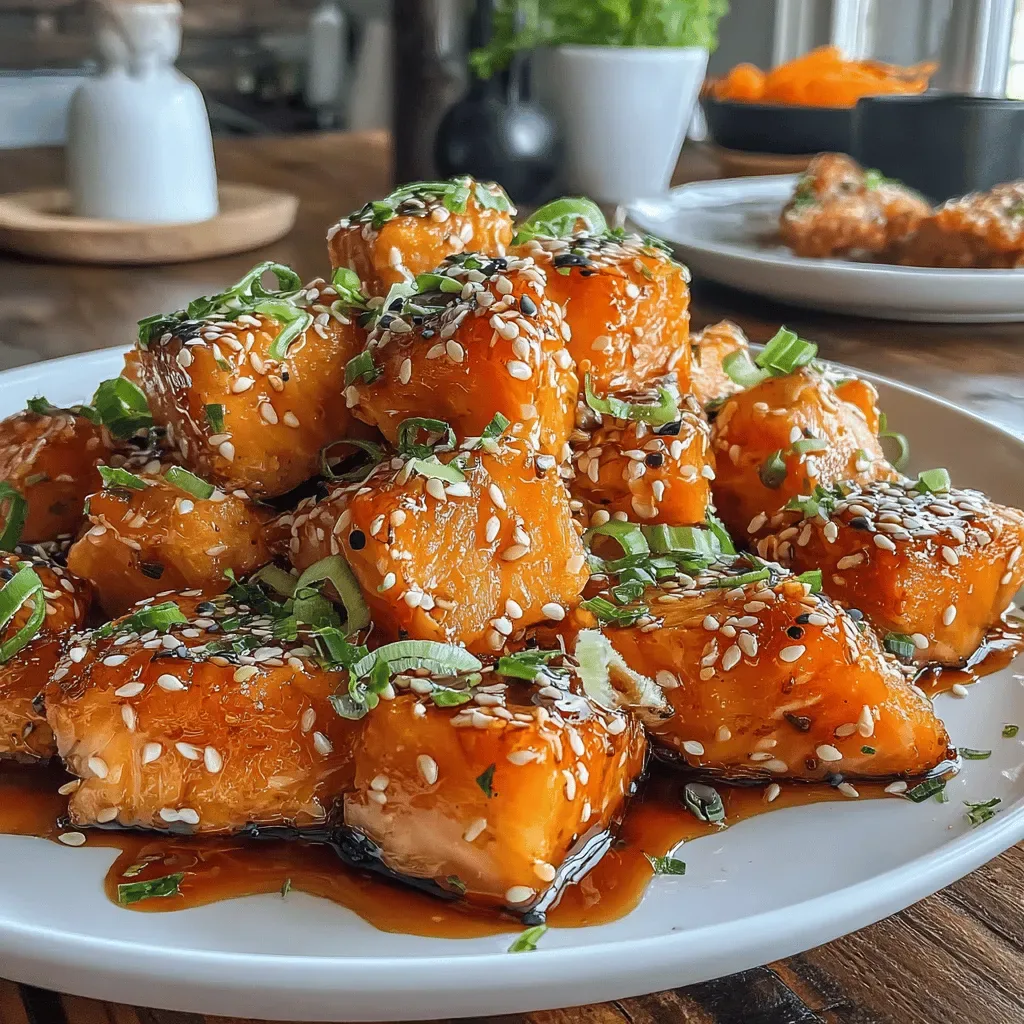
It was a chilly autumn evening, the kind where the wind whistles through the trees and the kitchen becomes a sanctuary of warmth and comfort. I remember pulling a heavy, orange‑tinted spaghetti squash out of the pantry, its skin speckled with the faintest hint of caramel, and feeling that familiar thrill that only a good recipe can spark. As the oven preheated, the sweet aroma of toasted squash began to mingle with the distant sizzle of a stir‑fry I was about to create, and I could almost hear the clatter of bamboo spatulas and the soft pop of peanuts hitting the pan. The moment you lift the lid, a cloud of fragrant steam hits you, carrying whispers of tamarind, lime, and toasted sesame that instantly transport you to a bustling Bangkok night market. That night, I discovered that swapping traditional rice noodles for the naturally spiral strands of spaghetti squash not only cuts carbs but adds a buttery, slightly nutty texture that makes every bite feel like a hug for your palate.
Why does this version feel so special? Because it respects the soul of classic Pad Thai while inviting the humble squash to shine as the star. The dish balances sweet, sour, salty, and umami in a way that makes your taste buds do a little happy dance, and the bright splash of fresh herbs adds a garden‑fresh finish that feels both indulgent and wholesome. I’ve served this to friends who swear they can’t tell the difference between the squash noodles and the real thing, and they keep coming back for more, asking for the secret that makes it “just right.” But wait—there’s a hidden trick in step 4 that transforms the sauce from good to unforgettable, and I’m saving it for the moment when you’re already whisking the tamarind paste. Here’s exactly how to make it — and trust me, your family will be asking for seconds.
Imagine the scene: a table set with colorful bowls of fresh bean sprouts, lime wedges, and a scattering of crushed peanuts, the air filled with the sizzling chorus of garlic and shallots as they hit the hot wok. The squash strands, once roasted to a perfect caramel‑gold, tumble into the pan, soaking up every drop of the glossy sauce, while the egg ribbons swirl like golden ribbons of sunrise. As you toss everything together, you’ll hear the gentle crackle of peanuts and the soft sigh of vegetables softening, a symphony that tells you you’re on the right track. And just when you think the dish is complete, a final drizzle of lime juice and a sprinkle of cilantro awaken the flavors, making each forkful burst with brightness. The best part? This recipe is friendly to both seasoned cooks and beginners alike—no fancy equipment, just a love for bold flavors and a willingness to experiment.
Now that you’re dreaming of that first bite, let’s dive into the details that make this Spaghetti Squash Pad Thai not just a meal, but an experience you’ll want to repeat again and again. From the science behind the perfect squash texture to the cultural roots of each spice, we’ll explore every nook and cranny of this dish. And remember, the secret trick I hinted at earlier will be revealed in the middle of the cooking process, so keep reading and you’ll be armed with the knowledge to wow anyone at your dinner table.
🌟 Why This Recipe Works
- Flavor Depth: The combination of tamarind paste, fish sauce, and a touch of brown sugar creates a layered sauce that hits sweet, sour, and salty notes all at once, mimicking the complex flavor profile of traditional Pad Thai without the need for a pantry full of exotic ingredients.
- Texture Harmony: Roasted spaghetti squash offers a tender‑yet‑slightly‑chewy bite that perfectly mirrors rice noodles, while the crisp bean sprouts and crunchy peanuts add contrast, ensuring each forkful is a delightful mix of soft and crunchy.
- Ease of Preparation: Most of the work is hands‑off—once the squash is in the oven, you can prep the sauce and aromatics, making this a great weeknight dinner that doesn’t demand constant attention.
- Time Efficiency: From start to finish you’re looking at under an hour, with the squash roasting while the sauce simmers, so you can have a restaurant‑quality meal on the table faster than you’d think.
- Versatility: This base recipe welcomes countless variations—add shrimp, tofu, or extra veggies, and you’ve got a customized dish that fits any dietary preference or seasonal produce.
- Nutrition Boost: By swapping refined noodles for nutrient‑dense squash, you increase fiber, vitamin A, and antioxidants, turning a classic comfort food into a wholesome, balanced plate.
- Ingredient Quality: Using fresh, high‑quality herbs and real tamarind paste elevates the dish from “good” to “memorable,” proving that simple ingredients, when chosen wisely, can shine brilliantly.
- Crowd‑Pleasing Factor: The bright colors, aromatic scent, and familiar Pad Thai flavors make it a hit with both kids and adults, ensuring it disappears from the plate faster than you can say “yum.”
🥗 Ingredients Breakdown
The Foundation: Spaghetti Squash & Noodles
One medium spaghetti squash (about 3‑4 pounds) serves as the noodle base. When roasted, its flesh becomes tender, with a natural sweetness that balances the tangy sauce. Choose a squash that feels heavy for its size and has a uniform, deep orange color—this indicates maturity and a richer flavor. If you can’t find spaghetti squash, you can substitute with butternut squash ribbons or even zucchini noodles, though the texture will differ slightly. Cutting the squash in half lengthwise, scooping out the seeds, and brushing the flesh with a drizzle of olive oil helps it caramelize beautifully in the oven.
Aromatics & Spices: The Flavor Builders
You’ll need 3 cloves of garlic, minced, and 2 shallots, thinly sliced; these provide a fragrant base that awakens the palate. Fresh ginger (about a teaspoon, grated) adds a subtle heat that cuts through the richness of the sauce. A teaspoon of crushed red pepper flakes introduces a gentle kick—adjust to taste, or omit for a milder version. The magic of Pad Thai lives in its balance, so the combination of these aromatics creates depth before the sauce even touches the squash.
The Secret Weapons: Sauce Essentials
The sauce is a harmonious trio of tamarind paste (2 tablespoons), fish sauce (3 tablespoons), and brown sugar (1 tablespoon). Tamarind delivers that signature sour note, while fish sauce offers umami richness without overwhelming saltiness. If you’re cooking for vegetarians, substitute the fish sauce with soy sauce or a mushroom‑based umami sauce. Brown sugar not only sweetens but also helps the sauce glaze the squash strands, giving each bite a glossy finish. A splash of lime juice (1 tablespoon) added at the end brightens the whole dish, making the flavors pop.
Finishing Touches: Crunch, Freshness & Garnish
A handful of bean sprouts (about 1 cup), 2 green onions sliced on the diagonal, and a quarter cup of chopped fresh cilantro bring freshness and crunch. Crushed peanuts (¼ cup) add a buttery, nutty crunch that’s essential to Pad Thai’s character. Optional toppings include a soft‑fried egg (for added protein and richness) and lime wedges for extra zing. When selecting peanuts, look for raw, unsalted varieties; they toast better and give a cleaner flavor. For cilantro, choose bright green leaves with no yellowing, as wilted cilantro can impart bitterness.
With your ingredients prepped and ready, let's get cooking. Here's where the fun really begins, and trust me, the next steps will have you mastering a dish that feels both exotic and homey at the same time.
🍳 Step-by-Step Instructions
Preheat your oven to 400°F (200°C). Slice the spaghetti squash in half lengthwise, scoop out the seeds, and brush the flesh side with a thin layer of olive oil, sprinkling a pinch of sea salt. Place the halves cut‑side down on a parchment‑lined baking sheet and roast for 35‑40 minutes, or until the flesh is tender and can be easily shredded with a fork. While the squash roasts, you’ll hear the faint crackle of the skin as it caramelizes—trust that sound; it’s a sign of flavor development. Once done, let it cool just enough to handle, then use a fork to scrape the flesh into noodle‑like strands, setting them aside in a large bowl.
While the squash is roasting, prepare the sauce. In a small saucepan, combine tamarind paste, fish sauce, brown sugar, and ¼ cup of warm water. Stir over low heat until the sugar dissolves completely and the mixture becomes glossy. Here’s the thing: the warm water helps the tamarind fully integrate, preventing gritty pockets that could ruin the smoothness of your sauce. Taste the sauce and adjust—add a splash more lime juice if you crave extra brightness, or a pinch more sugar for sweetness. Set the sauce aside; it will thicken slightly as it sits.
Heat a large wok or deep skillet over medium‑high heat and add 2 tablespoons of neutral oil (such as canola or grapeseed). Once the oil shimmers, toss in the minced garlic, sliced shallots, and grated ginger. The moment these aromatics hit the hot oil, you’ll hear a lively sizzle, and the kitchen will fill with an intoxicating perfume that signals you’re on the right track. Stir‑fry for about 30 seconds, just until the garlic turns golden but not brown—burnt garlic can introduce bitterness that will linger.
Now, push the aromatics to the side of the wok and crack in two large eggs. Let them sit untouched for a few seconds, then scramble gently, allowing them to form soft curds. This is the step where patience really pays off — I learned that the hard way when I over‑cooked the eggs and ended up with a dry, rubbery texture. Once the eggs are just set, mix them with the aromatics, creating a fragrant, golden base that will coat the squash strands later.
Add the roasted spaghetti squash strands to the wok, tossing them gently with the aromatics and egg. Pour the prepared tamarind‑fish sauce over the squash, using a spatula to coat every strand evenly. You’ll notice the sauce immediately glistening, clinging to the squash like a glossy veil. Continue to stir‑fry for 3‑4 minutes, allowing the squash to soak up the flavors while the sauce reduces slightly, creating a light caramelization on the edges. The scent at this point is a perfect blend of sweet, sour, and umami—a true sensory reward.
Stir in the bean sprouts, sliced green onions, and half of the chopped cilantro. Toss everything together for another minute, just until the sprouts stay crisp and the green onions soften slightly. The bright green colors should pop against the orange squash, creating a visual feast that’s as pleasing to the eye as it is to the palate. If you love extra heat, sprinkle in the crushed red pepper flakes now, letting them release their subtle fire into the dish.
Finish the dish with a generous handful of crushed peanuts and the remaining cilantro. Give the Pad Thai one final toss, ensuring the peanuts are evenly distributed, providing that satisfying crunch in every bite. Squeeze fresh lime juice over the top—watch how the citrus bubbles and lifts the flavors, adding a final layer of brightness that ties everything together. Taste and adjust seasoning if needed: a pinch more fish sauce for depth, or a drizzle of honey if you prefer a sweeter profile.
Serve immediately, offering extra lime wedges and a side of extra peanuts for those who want more crunch. The dish is best enjoyed hot, when the squash strands are still slightly al dente and the sauce clings lovingly to each piece. Trust me on this one: the moment you take that first forkful, the combination of textures and flavors will make you feel like you’ve just stepped into a bustling street market, right from the comfort of your own home.
And there you have it! But before you dig in, let me share some tips that will take this from great to absolutely unforgettable, ensuring every bite sings with perfection.
🔐 Expert Tips for Perfect Results
The Taste Test Trick
Before you finish cooking, pause and taste a small spoonful of the sauce on its own. This quick check lets you balance the sweet, sour, and salty elements before they meld with the squash. If it leans too sour, a pinch of extra brown sugar can round it out; if it’s too salty, a splash of water or extra lime juice will brighten it. Trust your palate—your instincts are the best guide to a perfectly balanced dish.
Why Resting Time Matters More Than You Think
Once the Pad Thai is off the heat, let it sit for two minutes before serving. This short resting period allows the sauce to fully penetrate the squash strands, ensuring every bite is uniformly flavored. It also gives the peanuts a chance to soften just enough to release their oils without losing crunch. I once served it immediately and noticed a slight flavor gap; after adding the rest, the dish sang.
The Seasoning Secret Pros Won’t Tell You
A dash of toasted sesame oil added at the very end adds an earthy, nutty finish that professional chefs often keep under wraps. It’s a subtle layer, but it rounds out the dish beautifully, giving it that restaurant‑quality finish. Use just a teaspoon; too much can overwhelm the delicate balance you’ve worked so hard to achieve.
Egg Integration Mastery
When scrambling the eggs, keep the heat medium‑low and gently fold them into the aromatics. This creates soft, fluffy curds that stay distinct rather than turning into a solid omelet. The gentle folds also ensure the eggs coat the squash without breaking apart, providing pockets of richness throughout.
Peanut Crunch Preservation
To keep the peanuts crunchy, add them just before serving rather than during the cooking process. The residual heat is enough to warm them without making them soggy, preserving that satisfying snap in every bite. If you love extra crunch, toast the peanuts lightly in a dry pan for a minute before sprinkling them on top.
Lime Juice Timing
Add the final squeeze of lime juice right before plating, not during cooking. The acid brightens the flavors instantly and prevents the squash from becoming mushy. A quick taste after the lime hit will confirm that the dish has reached that perfect, vibrant finish.
🌈 Delicious Variations to Try
One of my favorite things about this recipe is how versatile it is. Here are some twists I've tried and loved:
Shrimp & Lime Zest Delight
Add 12 large shrimp, peeled and deveined, after the aromatics have cooked. Sauté them until pink, then proceed with the squash. The shrimp’s briny sweetness pairs beautifully with the lime zest I sprinkle on top, creating a seafood‑forward version that feels like a beachside feast.
Tofu Crunch Fusion
Replace the eggs with firm tofu cubes, pressed and lightly pan‑fried until golden. The tofu absorbs the sauce, offering a plant‑based protein boost. I also add a splash of soy sauce for extra umami, making it a satisfying vegetarian alternative.
Spicy Sriracha Kick
Stir in a tablespoon of Sriracha sauce with the tamarind mixture for a fiery twist. Balance the heat with a little extra brown sugar, and garnish with sliced Thai bird chilies. This version turns up the heat without sacrificing the classic sweet‑sour balance.
Coconut Curry Infusion
Swap half the fish sauce for coconut milk and add a teaspoon of red curry paste when you sauté the aromatics. The result is a creamy, aromatic Pad Thai that feels exotic and comforting, perfect for cooler evenings.
Rainbow Veggie Celebration
Add julienned red bell pepper, purple cabbage, and snap peas alongside the carrots. The colorful medley not only boosts nutrition but also creates a visual spectacle that makes the dish even more inviting, especially for kids who love bright plates.
Nut‑Free Almond Alternative
If peanuts are a concern, replace them with toasted almond slivers. The almonds provide a slightly sweeter crunch and a different flavor profile, while still delivering that essential textural contrast.
📦 Storage & Reheating Tips
Refrigerator Storage
Allow the Pad Thai to cool to room temperature before transferring it to an airtight container. It will keep fresh for up to 3 days. When storing, keep the sauce separate if possible; this prevents the squash from absorbing too much liquid and becoming soggy. Reheat gently on the stovetop with a splash of water or broth to revive the glaze.
Freezing Instructions
Portion the cooked squash strands and sauce into freezer‑safe bags, removing as much air as possible. Freeze for up to 2 months. To use, thaw overnight in the refrigerator, then reheat in a skillet over medium heat, adding a little oil to prevent sticking. The texture remains pleasant, though a quick fresh toss of fresh bean sprouts after reheating restores the crunch.
Reheating Methods
The trick to reheating without drying it out? A splash of lime‑infused water or broth added to the pan as you stir‑fry. This revives the sauce’s sheen and keeps the squash tender. If you prefer a microwave, cover the dish with a damp paper towel and heat in 30‑second intervals, stirring in between, to maintain moisture.