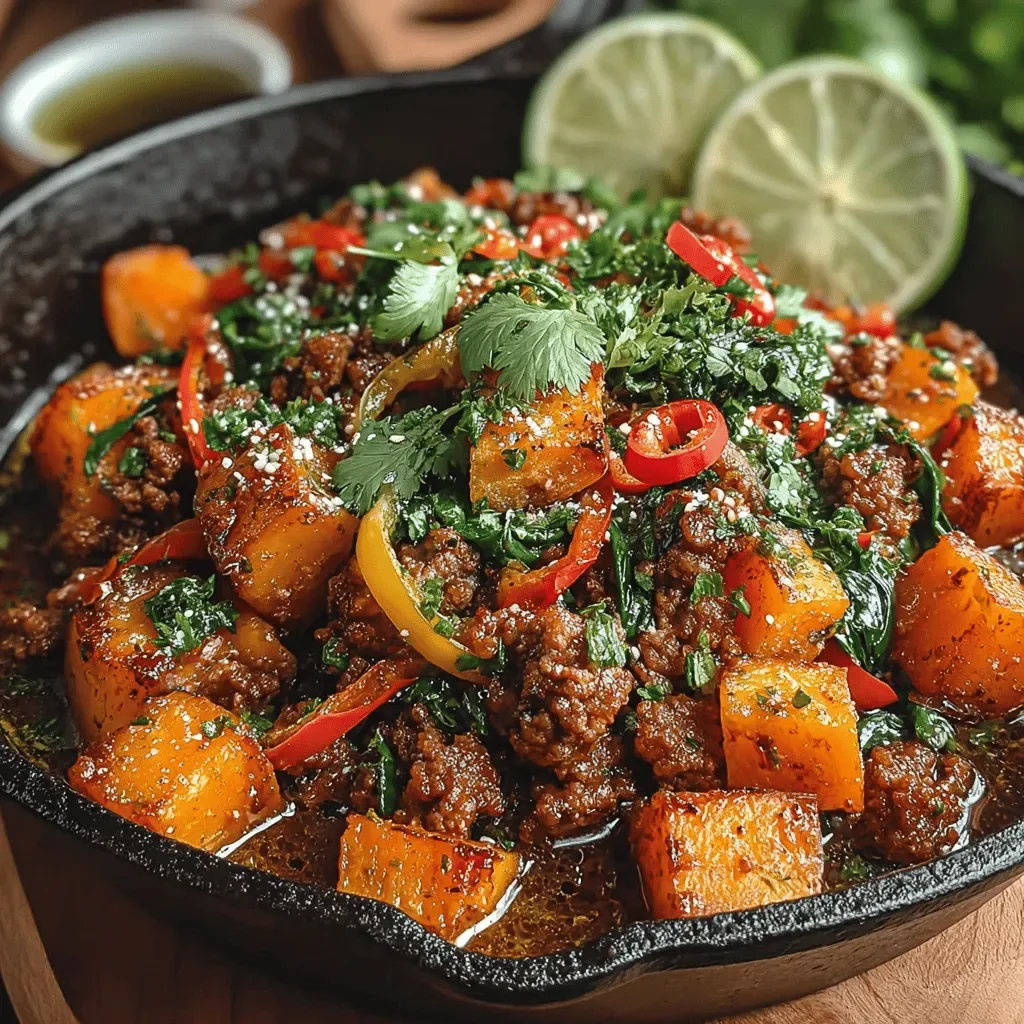
I still remember the first time I tried to recreate the classic take‑out beef and broccoli at home. The kitchen was filled with the sizzle of a hot wok, the bright green of fresh broccoli florets, and the sweet‑savory aroma that made my stomach growl before the first bite even landed on the plate. As the steam rose, a cloud of fragrant soy, garlic, and ginger swirled around me, and I felt like I was standing in a bustling street market in Chinatown, except the only traffic was the clatter of my wooden spoon against the pan. That night, my family gathered around the table, eyes wide with anticipation, and the moment the sauce coated each piece of tender flank steak, we all knew we had stumbled onto something special. Have you ever wondered why the restaurant version always seems to have that glossy, almost lacquered finish that makes the dish look like a work of art? The secret lies in a few simple tricks that I’m about to share, and trust me, they’re easier than you think.
What makes this recipe truly “easy” is that it respects the natural flavors of the ingredients while adding just enough depth to keep you coming back for more. Imagine biting into a piece of beef that’s still pink in the center, each fiber wrapped in a silky, caramel‑kissed sauce that glistens like a jewel, while the broccoli retains that satisfying crunch that only fresh, quickly‑blanched florets can give. The sauce is a perfect balance of salty soy, sweet brown sugar, and a whisper of heat from fresh ginger, creating a symphony of taste that dances across your palate. The best part? You only need a handful of pantry staples and a couple of minutes of prep, which means you can have a restaurant‑quality dinner on the table even on the busiest weeknight. But wait until you see the secret trick in step 4 – it’s the game‑changer that turns a good dish into a great one.
I’ve been cooking this dish for years, and each time I make it, I discover a tiny nuance that improves the next round. One time I forgot to let the beef rest after searing, and the result was a bit tougher than I liked – that’s when I learned the power of a quick 2‑minute rest, which lets the juices redistribute and keeps every bite juicy. Another time, I experimented with adding a splash of orange juice to the sauce, and the citrus note brightened the whole plate, making it perfect for a summer dinner on the patio. As you read on, you’ll find a few of those little experiments tucked into the tips and variations sections – they’re the breadcrumbs that lead you to your own signature version. Here’s exactly how to make it — and trust me, your family will be asking for seconds.
🌟 Why This Recipe Works
- Flavor Depth: The combination of low‑sodium soy sauce, light brown sugar, and fresh aromatics creates a layered taste that evolves with each bite, delivering salty, sweet, and umami notes in perfect harmony.
- Texture Contrast: By briefly blanching the broccoli and searing the beef at high heat, you achieve a delightful crunch on the vegetables and a tender, caramelized exterior on the meat.
- Ease of Execution: The recipe uses a simple cornstarch slurry to thicken the sauce, eliminating the need for complicated reductions or specialty thickeners.
- Time Efficiency: With just 15 minutes of prep and 30 minutes of cooking, this dish fits comfortably into a busy weekday schedule without sacrificing flavor.
- Versatility: Swap flank steak for sirloin, add mushrooms, or toss in sliced carrots – the base sauce adapts beautifully to countless variations.
- Nutrition Balance: Lean beef provides high‑quality protein, while broccoli adds fiber, vitamins C and K, and a pop of color that makes the plate visually appealing.
- Ingredient Quality: Using fresh ginger and garlic, rather than powders, ensures bright, aromatic notes that powdered versions can’t match.
- Crowd‑Pleasing Factor: The familiar flavors and comforting texture make this dish a hit with both kids and adults, turning a simple weeknight dinner into a family favorite.
🥗 Ingredients Breakdown
The Foundation: Beef & Starch
The star of this dish is a pound of flank steak, a cut prized for its flavor and quick cooking time. Flank steak has a natural grain that, when sliced against the fiber, yields tender strips that soak up the sauce beautifully. If you can’t find flank, sirloin or even a well‑marbled skirt steak work just as well, though the cooking time may need a slight adjustment. 2 tablespoons cornstarch are used to coat the beef before searing, creating a light crust that locks in moisture and adds a subtle crispness. 1 tablespoon cornstarch paired with 3 tablespoons water forms the slurry that thickens the sauce at the end, giving it that restaurant‑style sheen.
Aromatics & Spices: The Flavor Builders
1 tablespoon garlic (minced) provides a pungent backbone that awakens the palate, while 2 teaspoons fresh ginger (finely grated) adds a bright, peppery heat that cuts through the richness of the beef. Together, these aromatics create a fragrant base that fills the kitchen with an irresistible scent as soon as they hit the hot oil. The ½ cup low‑sodium soy sauce supplies the essential umami depth without overwhelming the dish with salt, allowing the natural flavors of the meat and vegetables to shine. Finally, 3 tablespoons light brown sugar balances the savory elements with a subtle caramel note, rounding out the sauce into a harmonious whole.
The Secret Weapons: Oil & Veggies
2 tablespoons vegetable oil is chosen for its high smoke point, ensuring the beef sears quickly without burning. If you prefer a nutty flavor, a splash of sesame oil added at the end can elevate the dish, but keep the cooking oil neutral to avoid bitterness. 4 cups broccoli florets are the green heart of the recipe – their slight bitterness and firm crunch contrast the sweet sauce perfectly. To keep the color vibrant, I always give the broccoli a quick blanch in boiling water before stir‑frying; this also reduces the cooking time, preserving that satisfying snap. ½ cup white onions (sliced thin) add a subtle sweetness and a hint of caramelization when they hit the pan, creating layers of flavor that make each bite interesting.
When selecting your ingredients, look for beef that has a deep red color and a fine grain – this indicates freshness and quality. For the broccoli, choose heads with tight, dark green florets and firm stems; any yellowing or wilting suggests it’s past its prime. Fresh garlic and ginger should be firm, without any soft spots, because they release more essential oils when grated or minced. By paying attention to these small details, you set the stage for a dish that tastes like it was crafted by a professional chef. With your ingredients prepped and ready, let's get cooking. Here's where the fun really begins...

🍳 Step-by-Step Instructions
Start by preparing the beef: slice the flank steak into thin strips, about a quarter‑inch wide, against the grain. Place the strips in a bowl, sprinkle with 2 tablespoons cornstarch, and toss until each piece is lightly coated. This coating will create a subtle crust when seared, sealing in juices. Let the beef rest for a minute while you heat a large wok or skillet over high heat.
Heat 2 tablespoons vegetable oil in the wok until it just begins to shimmer – you’ll know it’s ready when a drop of water sizzles and evaporates instantly. Add the beef in a single layer, making sure not to overcrowd the pan; you may need to do this in batches. Sear the beef for about 2‑3 minutes, stirring occasionally, until the pieces turn a deep, caramelized brown and release a fragrant, nutty aroma. Remove the beef with a slotted spoon and set aside on a warm plate.
💡 Pro Tip: Pat the beef dry with paper towels before coating with cornstarch; excess moisture can cause steaming instead of searing.In the same wok, add a splash more oil if needed, then toss in the ½ cup white onions. Sauté for about 45 seconds, just until they become translucent and start to soften, releasing a sweet scent that mingles with the residual beef juices. Next, add the minced 1 tablespoon garlic and grated 2 teaspoons fresh ginger. Stir constantly for another 30 seconds, listening for the sizzle that tells you the aromatics are blooming without burning.
Now comes the secret trick: create a quick broth by mixing ½ cup low‑sodium soy sauce with 3 tablespoons light brown sugar in a small bowl, stirring until the sugar dissolves. Pour this mixture into the wok, letting it bubble and steam, then add the blanched 4 cups broccoli florets. The broccoli should sizzle as it meets the hot sauce, turning a vivid emerald green. Cover the wok for 2‑3 minutes to allow the broccoli to steam just enough to become tender‑crisp.
While the broccoli cooks, whisk together the 1 tablespoon cornstarch with 3 tablespoons water to form a smooth slurry. This will be your thickening agent, and the key to that glossy finish. After the broccoli has softened slightly, remove the lid and give the sauce a good stir, then slowly drizzle the slurry into the pan while whisking constantly. You’ll see the sauce begin to thicken within seconds, coating the vegetables and beef with a velvety sheen.
⚠️ Common Mistake: Adding the slurry all at once can create clumps; always pour slowly while whisking to ensure a smooth sauce.Return the seared beef to the wok, spreading it evenly over the sauce and vegetables. Toss everything together gently, making sure each strip of beef is coated and the broccoli is glossy. Cook for another 1‑2 minutes, allowing the flavors to meld. At this point, taste the sauce – if you crave a touch more sweetness, add a pinch of extra brown sugar; if you need a bit more salt, a splash of soy sauce will do the trick.
Once the sauce has reached a glossy, slightly thick consistency and the beef is heated through, remove the wok from heat. Let the dish rest for a minute; this short pause lets the flavors settle and the steam to finish cooking any lingering raw edges. While it rests, the sauce will continue to thicken just enough to cling to every bite without becoming gummy.
Serve the beef and broccoli over steamed jasmine rice or cauliflower rice for a low‑carb option. Garnish with a sprinkle of toasted sesame seeds or a drizzle of toasted sesame oil for an extra layer of nuttiness. The result should be a plate bursting with color – deep brown sauce, bright green broccoli, and ruby‑red beef strips – that invites you to dive in. Go ahead, take a taste — you’ll know exactly when it’s right.
And there you have it! But before you dig in, let me share some tips that will take this from great to absolutely unforgettable…
🔐 Expert Tips for Perfect Results
The Taste Test Trick
Before you finish cooking, always taste the sauce with a clean spoon. This simple habit lets you adjust seasoning at the very end, ensuring the balance of salty, sweet, and umami is spot‑on. I once served a batch that was a tad too salty because I used regular soy sauce; a quick splash of water and a pinch of sugar saved the dish. Trust me on this one – a well‑balanced sauce is the hallmark of a confident home cook.
Why Resting Time Matters More Than You Think
After searing, let the beef rest for at least two minutes. This short pause allows the juices to redistribute, preventing them from spilling out when you toss the meat with the sauce. I learned this the hard way when a rushed dinner left the beef dry and disappointing. Resting is a tiny step that makes a massive difference in tenderness.
The Seasoning Secret Pros Won’t Tell You
A dash of rice vinegar or a splash of orange juice at the end brightens the sauce, cutting through the richness and adding a subtle tang. It’s a trick I picked up from a chef friend who swears by the “acid finish” for Asian stir‑fries. The acidity lifts the flavors, making each bite feel fresher and more vibrant.
Choosing the Right Pan
A heavy‑bottomed wok or cast‑iron skillet retains heat better than thin stainless steel, giving you that coveted sear on the beef. If you’re using a non‑stick pan, be mindful of the temperature – too high and the coating can break down. I recommend pre‑heating the pan for at least a minute before adding oil for the best results.
Keeping the Broccoli Bright
After blanching, shock the broccoli in an ice‑water bath for 30 seconds. This stops the cooking process instantly, locking in that vibrant green color and crisp texture. The result is a dish that looks as good as it tastes, with broccoli that stays firm even after being tossed in the sauce.
The Power of a Good Marinade
If you have extra time, marinate the sliced beef in a mixture of soy sauce, a splash of mirin, and a pinch of cornstarch for 15‑20 minutes before cooking. The marination adds an extra layer of flavor and helps the meat stay juicy. I once tried this for a dinner party and the guests were amazed at how tender the beef turned out.
🌈 Delicious Variations to Try
One of my favorite things about this recipe is how versatile it is. Here are some twists I've tried and loved:
Spicy Szechuan Kick
Add 1‑2 teaspoons of Szechuan peppercorn oil and a pinch of crushed red pepper flakes to the sauce. The peppercorn brings a numbing heat that pairs beautifully with the sweet‑savory base, creating a bold flavor profile perfect for cold evenings.
Citrus‑Ginger Fusion
Stir in the zest of one orange and a tablespoon of fresh orange juice just before serving. The citrus brightens the dish, making it feel lighter and more refreshing – ideal for summer barbecues.
Mushroom Medley
Add a cup of sliced shiitake or cremini mushrooms alongside the broccoli. The earthy mushrooms absorb the sauce, adding depth and a meaty texture that complements the flank steak beautifully.
Cashew Crunch
Toss in a handful of roasted cashews during the final minute of cooking. The nuts provide a delightful crunch and a buttery flavor that contrasts with the tender beef and crisp broccoli.
Low‑Carb Cauliflower Version
Swap the rice for cauliflower rice and increase the broccoli to 5 cups. This version keeps the dish low in carbs while still delivering the satisfying textures and flavors you love.
📦 Storage & Reheating Tips
Refrigerator Storage
Allow the dish to cool to room temperature, then transfer it to an airtight container. It will keep nicely for up to 3 days in the fridge. When reheating, add a splash of water or broth to revive the sauce’s silkiness, and stir over medium heat until warmed through.
Freezing Instructions
Portion the beef and broccoli into freezer‑safe bags, removing as much air as possible. Freeze for up to 2 months. To reheat, thaw overnight in the refrigerator, then warm in a skillet with a tablespoon of water or oil, stirring until the sauce regains its glossy texture.
Reheating Methods
The best method is a gentle stovetop reheat: place the dish in a non‑stick pan, add a tablespoon of broth, and cover for 2‑3 minutes, stirring occasionally. Microwaving works in a pinch, but be sure to cover the bowl and stir halfway through to avoid uneven heating. The trick to reheating without drying it out? A splash of liquid and low heat preserve the tenderness of the beef and the crunch of the broccoli.