It was a crisp autumn evening, the kind where the wind whistles through the trees and the kitchen smells like a promise of something sweet. I was standing over a battered wooden table, the same one my grandmother used to roll out dough on, and I felt a sudden urge to combine two of my all‑time favorites: the silky, caramel‑kissed crunch of crème brûlée and the buttery, nutty richness of pecan cake. The moment I cracked the first egg, a golden stream of yolk spilled onto the counter, and the scent of vanilla rose instantly filled the room, making my mouth water before the batter even hit the pan.
As the butter softened in the bowl, I could hear the faint sigh of it melting, a sound that always tells me I’m on the right track. The sugar began to dissolve, turning the mixture a pale amber, and I could already picture that glossy caramel glaze forming on top, waiting to be torched into a crackly crown. When I folded in the chopped pecans, each piece added a whisper of crunch that reminded me of the first bite of a perfectly toasted nut, a texture that balances the creamy custard underneath like a well‑rehearsed duet.
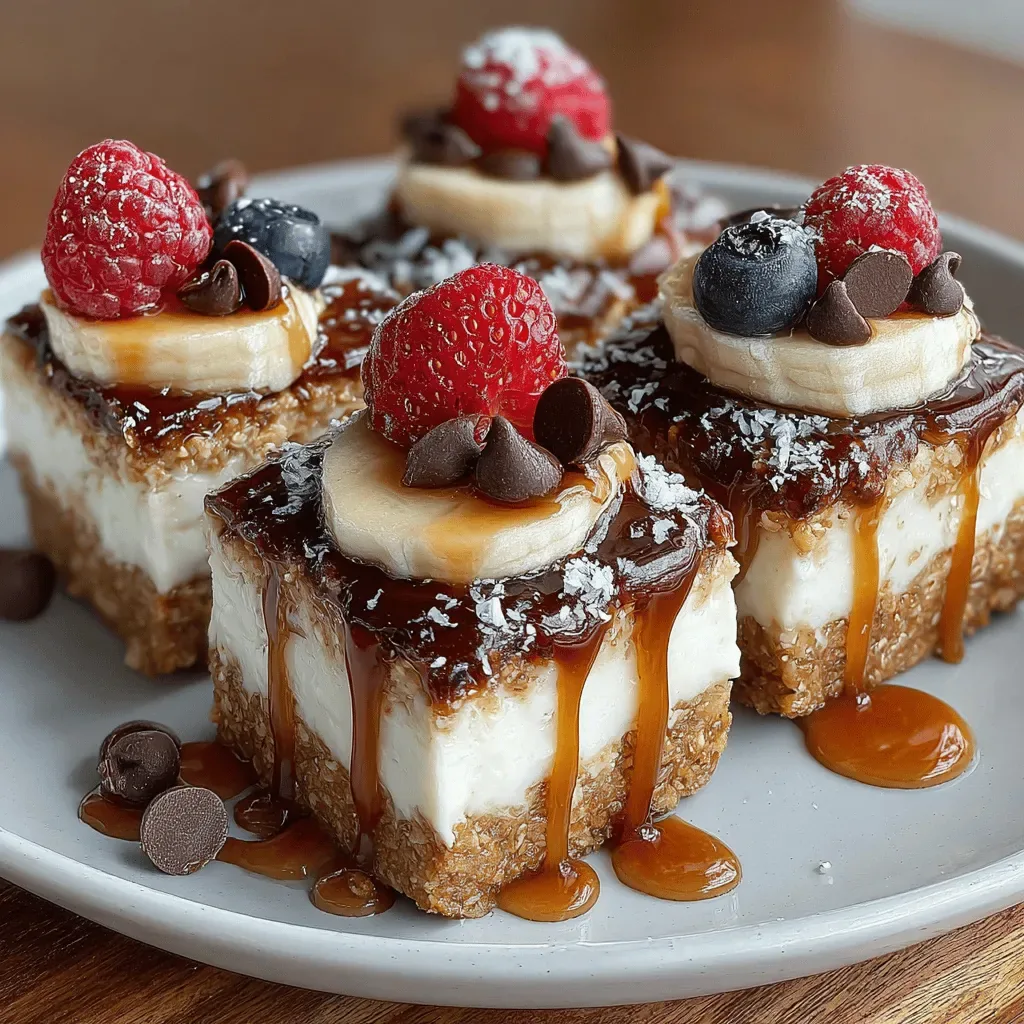
What makes this Crème Brûlée Caramel Pecan Cake truly special is the way it marries three distinct sensations: the airy lightness of a classic cake, the buttery depth of caramel, and the satisfying snap of toasted pecans. Imagine serving it at a family gathering, the first slice glistening with caramel, the top crackling under a quick torch, and the interior revealing a moist, custardy crumb that melts on the tongue. The contrast of warm, sweet, and nutty flavors will have everyone reaching for seconds, and you’ll find yourself repeating the recipe again and again.
But wait—there’s a secret technique hidden in step four that transforms an ordinary batter into a show‑stopping masterpiece. It’s a little trick I learned after a kitchen disaster that left my first attempt flat and lifeless. Trust me, you’ll want to stick around for that reveal because it’s the difference between “good” and “wow‑factor.” Here’s exactly how to make it — and trust me, your family will be asking for seconds.
🌟 Why This Recipe Works
- Flavor Depth: The combination of caramel sauce, vanilla, and toasted pecans creates layers of flavor that develop as the cake cools, giving each bite a new surprise.
- Texture Harmony: A light, fluffy crumb meets a crisp caramelized top and a crunchy nutty core, delivering a multi‑dimensional mouthfeel that keeps you coming back for more.
- Ease of Execution: Despite its elegant appearance, the recipe uses simple pantry staples and requires only one bowl, making cleanup a breeze.
- Time Efficiency: With a total time of just 45 minutes, you can pull this dessert out of the oven while the kids are still doing homework.
- Versatility: The base cake can be dressed up for holidays, birthdays, or a casual coffee break, and the caramel topping can be swapped for chocolate or fruit glaze.
- Nutrition Balance: While indulgent, the recipe incorporates protein‑rich eggs and nuts, offering a modest boost of nutrients alongside the sweet treat.
- Ingredient Quality: Each component—real butter, heavy cream, and pure vanilla extract—contributes to a richer, more authentic flavor profile than any shortcut mix.
- Crowd‑Pleasing Factor: The dramatic torch‑finished top is a visual wow‑factor that makes the cake Instagram‑ready and conversation‑starting at any gathering.
🥗 Ingredients Breakdown
The Foundation
The 1 cup of all‑purpose flour serves as the structural backbone of the cake, providing the necessary gluten network that holds everything together. If you’re aiming for a lighter crumb, you can sift the flour with a fine mesh to aerate it before mixing. 1/2 cup of unsalted butter, softened adds richness and moisture; choosing a high‑fat butter (at least 80% butterfat) ensures a tender crumb and a glossy finish on the caramel top. For those who prefer a dairy‑free version, a solid coconut oil can substitute butter, though the flavor will shift slightly toward tropical notes.
Sweet & Creamy Essentials
1 cup granulated sugar not only sweetens the cake but also aids in caramelization during baking, giving the top that golden hue. If you enjoy a hint of molasses, swap 2 tablespoons of the sugar for dark brown sugar for a deeper, almost toffee‑like undertone. 2 large eggs act as binders and leavening agents, creating a fluffy interior; room‑temperature eggs incorporate more easily, preventing a lumpy batter. 1/2 cup heavy cream introduces a velvety richness that mimics the custard base of traditional crème brûlée, and it helps the caramel glaze melt smoothly over the cake.
Aromatics & Flavor Boosters
1 teaspoon vanilla extract brings a warm, aromatic note that ties the caramel and pecan flavors together. Opt for pure vanilla beans if you have them on hand—scrape the seeds into the batter for an extra‑luxurious aroma. 1/4 teaspoon salt is a tiny pinch that amplifies every other flavor, preventing the sweetness from becoming cloying. Finally, 1 teaspoon baking powder gives the cake its lift, ensuring a light, airy texture that contrasts beautifully with the dense caramel topping.
The Secret Weapons
1/2 cup chopped pecans add a delightful crunch and a buttery, earthy flavor that grounds the sweet elements. Toast them lightly in a dry skillet for 3–4 minutes until they turn fragrant; this step releases oils that make the nuts taste richer. 1/4 cup caramel sauce is the crowning glory—drizzle it over the warm cake just before serving and then torch the surface for that signature crackly crust. If you love a deeper caramel, use a homemade sauce made from brown sugar, butter, and a splash of heavy cream.
With your ingredients prepped and ready, let's get cooking. Here's where the fun really begins...
🍳 Step-by-Step Instructions
Preheat your oven to 350°F (175°C) and grease a 9‑inch round cake pan with a thin layer of butter, then dust it lightly with flour. The butter creates a golden crust, while the flour prevents sticking. As the oven warms, you’ll hear the gentle hum of the heating element—a sound that signals the start of something delicious. Let the pan sit while you prepare the batter; this small pause helps the butter melt evenly when you add it later.
In a large mixing bowl, cream together the softened butter and granulated sugar until the mixture turns pale and fluffy, about 3–4 minutes with an electric mixer on medium speed. The sound of the beaters whipping air into the butter is a satisfying rhythm, and you’ll notice the batter becoming lighter, almost like a cloud. This step is crucial because it creates the foundation for the cake’s tender crumb.
Add the eggs one at a time, beating well after each addition. The batter may look curdled at first, but keep mixing and it will smooth out into a glossy mixture. The eggs bring structure, and the moment they fully incorporate is when you’ll see the batter become silky, a sign that you’re on the right track.
Stir in the vanilla extract, salt, and baking powder, then gently fold in the flour until just combined. Over‑mixing will develop gluten, making the cake dense, so stop as soon as you no longer see streaks of flour. At this point, the batter should have a thick but pourable consistency, reminiscent of a classic pound cake batter.
Fold in the chopped pecans and the heavy cream, alternating them to keep the batter light. The pecans should be evenly distributed, creating little pockets of crunch throughout the cake. As the cream swirls in, you’ll notice a subtle sheen forming on the surface, a visual cue that the cake will stay moist after baking.
Pour the batter into the prepared pan, smoothing the top with a spatula. The batter should spread evenly, forming a gentle dome that will rise evenly. Place the pan on the middle rack of the oven and bake for 25–30 minutes, or until a toothpick inserted into the center comes out clean with just a few moist crumbs.
While the cake bakes, gently warm the caramel sauce in a small saucepan over low heat, just until it becomes pourable. Do not let it boil, or it will become too thick to drizzle. This step allows the caramel to coat the cake evenly later, creating a glossy finish that catches the light beautifully.
When the cake is done, remove it from the oven and let it cool in the pan for 10 minutes, then transfer it to a wire rack. While it’s still warm, drizzle the caramel sauce over the top, letting it pool and seep into the edges. The aroma at this point is intoxicating—caramel, butter, and toasted nuts mingling in a fragrant dance.
Now, here’s where the magic happens: using a kitchen torch, gently caramelize the top layer of sugar until it forms a deep amber crust. If you don’t have a torch, place the cake under a broiler for 1–2 minutes, watching closely to avoid burning. The crackling sound as the sugar hardens is music to any baker’s ears. Let the cake rest for a few minutes so the crust sets, then slice and serve.
And there you have it! But before you dig in, let me share some tips that will take this from great to absolutely unforgettable...
🔐 Expert Tips for Perfect Results
The Taste Test Trick
Before you add the caramel glaze, take a tiny spoonful of the warm batter and let it cool on your tongue. This quick taste test lets you gauge whether you need a pinch more salt or a dash of extra vanilla. I once served a batch that was a shade too sweet, and a tiny pinch of sea salt corrected it instantly. Trust your palate—it’s the best tool in the kitchen.
Why Resting Time Matters More Than You Think
Allow the cake to rest for at least 15 minutes after caramelizing. This pause lets the interior finish setting while the caramel crust hardens, preventing a soggy top. I learned this the hard way when I sliced into a freshly torched cake and the crust crumbled; a short rest solved that problem every time after.
The Seasoning Secret Pros Won’t Tell You
A pinch of smoked paprika can add an unexpected depth that pairs wonderfully with caramel and pecans. It’s a subtle smoky note that enhances the nutty flavor without overpowering the sweetness. I tried it at a dinner party once, and guests were amazed at the complexity.
Torch Technique Mastery
Hold the torch about 2 inches away from the surface and move it in slow, even circles. Too close and you’ll scorch the sugar; too far and it won’t caramelize fully. The best part? The caramelized surface will crackle gently as it cools, creating that signature “crème brûlée” sound.
Pecan Toasting Perfection
Toast pecans in a dry skillet over medium heat, stirring constantly, until they turn golden and emit a nutty aroma—usually 3–4 minutes. This step unlocks the oils inside the nuts, making them more fragrant and crunchy. I once forgot to toast them and the cake felt flat; the difference is night and day.
🌈 Delicious Variations to Try
One of my favorite things about this recipe is how versatile it is. Here are some twists I've tried and loved:
Chocolate‑Swirl Delight
Add 2 tablespoons of melted dark chocolate to the batter before folding in the pecans. The chocolate creates ribbons that contrast with the caramel, offering a richer flavor profile that’s perfect for chocolate lovers.
Maple‑Pecan Fusion
Replace the caramel sauce with pure maple syrup and sprinkle a drizzle of maple‑infused pecans on top. The earthy sweetness of maple pairs beautifully with the buttery cake, evoking a cozy breakfast‑brunch vibe.
Spiced Autumn Version
Incorporate ½ teaspoon of ground cinnamon and a pinch of nutmeg into the dry ingredients. This warm spice blend turns the cake into a seasonal centerpiece, perfect for Thanksgiving or a chilly evening.
Berry‑Burst Surprise
Fold in ½ cup of fresh raspberries or blueberries just before baking. The berries burst during cooking, leaving pockets of juicy tartness that cut through the sweetness of the caramel.
Coffee‑Infused Elegance
Dissolve 1 tablespoon of instant espresso powder in the heavy cream before adding it to the batter. The coffee adds a subtle bitterness that balances the caramel and enhances the overall depth.
📦 Storage & Reheating Tips
Refrigerator Storage
Store any leftovers in an airtight container in the fridge for up to three days. Place a thin sheet of parchment paper over the top before sealing to keep the caramel from drying out. When ready to serve, let the cake come to room temperature for about 20 minutes; this restores its soft crumb.
Freezing Instructions
Wrap the fully cooled cake tightly in plastic wrap, then in a layer of aluminum foil. Freeze for up to two months. To thaw, move it to the refrigerator overnight, then bring to room temperature before torching a fresh caramel layer for that crisp finish.
Reheating Methods
Reheat individual slices in a preheated 300°F (150°C) oven for 8–10 minutes, covered loosely with foil to prevent the caramel from burning. For a microwave quick fix, heat for 30 seconds, then quickly torch the top to restore the crackle. The trick to reheating without drying it out? Add a splash of milk or cream to the plate, covering the slice lightly with foil, and let the steam work its magic.