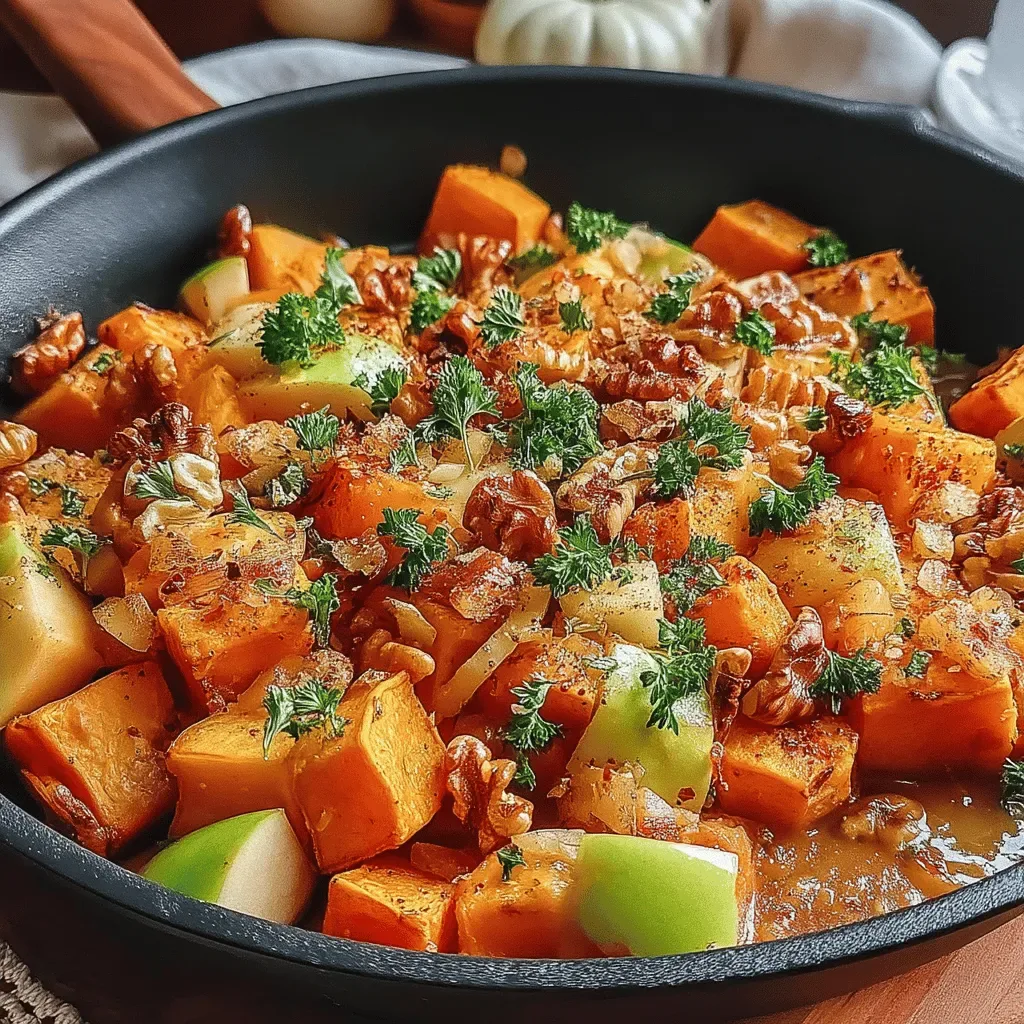
Imagine a brunch table where the sizzle of a hot pan meets the sweet‑spicy perfume of gochujang, and every bite delivers a crackling, golden crust. That’s the magic of our Crispy Korean Delight, a dish that turns ordinary morning fare into a bold, unforgettable experience.
This recipe stands out because it blends the classic Korean fried‑chicken technique—double‑coating with potato starch for ultimate crunch—with a glossy, umami‑rich glaze that balances heat, sweetness, and tang.
Family members who love a little kick, friends seeking a brunch that feels both comforting and adventurous, and anyone craving a handheld snack that’s still elegant will adore this dish. It shines at weekend brunches, lazy Sunday breakfasts, or even as a hearty lunch.
The process is straightforward: marinate bite‑size chicken, coat it, fry to perfection, then finish in a quick pan‑sauce that clings to every piece. The result is a harmonious blend of texture and flavor that’s ready to impress in under an hour.
Why You'll Love This Recipe
Bold Korean Flavors: The gochujang‑honey glaze delivers a perfect balance of spicy, sweet, and tangy notes that awaken the palate without overwhelming it.
Crispy Texture Every Time: Double‑coating with potato starch creates a light, airy crust that stays crisp even after being tossed in the sauce.
Brunch‑Ready Speed: From prep to plate in just 45 minutes, this dish fits perfectly into a relaxed weekend schedule.
Customizable & Fun: Swap proteins, adjust heat, or pair with your favorite sides—making each brunch uniquely yours.
Ingredients
The heart of this brunch dish is bite‑size chicken thigh pieces that stay juicy inside while the exterior turns irresistibly crunchy. A simple marinade infuses the meat with garlic, ginger, and a whisper of soy, while the glaze combines gochujang, honey, and rice vinegar for that signature Korean sparkle. Finishing touches of sesame oil, toasted seeds, and scallions add aroma, richness, and visual appeal.
Main Ingredients
- 1 lb boneless, skinless chicken thighs, cut into 1‑inch pieces
- 1 cup potato starch (or fine corn starch)
- 2 tablespoons neutral oil (vegetable or canola) for frying
Marinade
- 2 tablespoons soy sauce (low‑sodium)
- 1 tablespoon rice wine vinegar
- 1 teaspoon freshly grated ginger
- 1 clove garlic, minced
Glaze & Seasonings
- 3 tablespoons gochujang (Korean red pepper paste)
- 2 tablespoons honey
- 1 tablespoon soy sauce
- 1 teaspoon sesame oil
- 1 teaspoon toasted sesame seeds
- 2 green onions, thinly sliced (for garnish)
Each component plays a specific role: the potato starch forms a feather‑light crust, the marinade locks moisture and subtle umami into the chicken, and the glaze delivers the signature Korean heat and shine. The final drizzle of sesame oil and sprinkle of seeds add a nutty depth that ties the whole brunch experience together.
Step-by-Step Instructions
Marinating the Chicken
Combine the soy sauce, rice wine vinegar, grated ginger, and minced garlic in a bowl. Add the chicken pieces, toss to coat, and let them rest for 10‑15 minutes at room temperature. This short marination infuses the meat with flavor while keeping it tender, and the slight acidity helps create a crispier crust later.
Coating & Frying
- Dry the Chicken. Pat each piece with paper towels. Removing surface moisture is crucial for a dry, even coating that will fry up golden.
- Dust with Starch. Place the potato starch in a shallow dish and lightly toss each piece until fully covered. Shake off excess; too much starch can lead to a gummy crust.
- Heat the Oil. In a large skillet, heat 2 tablespoons neutral oil over medium‑high heat until it shimmers (about 350°F/175°C). A thermometer helps; if the oil bubbles around a breadcrumb, it’s ready.
- Fry in Batches. Add a single layer of chicken, being careful not to crowd the pan. Cook 3‑4 minutes per side, watching for a deep amber color. The crust should be crisp but not burnt—adjust heat if it browns too quickly.
- Drain. Transfer the fried pieces to a wire rack set over a baking sheet. This lets excess oil drip away and preserves crunch.
Making the Gochujang Glaze
While the chicken rests, whisk together 3 tablespoons gochujang, 2 tablespoons honey, 1 tablespoon soy sauce, and 1 teaspoon sesame oil in a small saucepan. Bring to a gentle simmer over low heat, stirring constantly. After 2‑3 minutes the mixture will thicken enough to coat the back of a spoon—this is the perfect glaze consistency.
Tossing & Finishing
- Combine Chicken and Glaze. Return the fried chicken to the skillet (or a large bowl), pour the hot glaze over, and toss gently until each piece is glossy and evenly coated.
- Finish with Sesame. Sprinkle 1 teaspoon toasted sesame seeds and the sliced green onions. The seeds add a nutty crunch, while the onions contribute a fresh bite.
- Serve Immediately. Transfer to a serving platter and enjoy while the crust is still crisp. Pair with steamed rice or a light salad for a balanced brunch.
Tips & Tricks
Perfecting the Recipe
Room‑Temperature Chicken: Let the pieces sit for 10‑15 minutes before coating. This prevents the interior from staying cold, which can cause uneven cooking.
Dry the Surface: Pat the chicken completely dry. Moisture creates steam, which sabotages the crisp crust you’re aiming for.
Oil Temperature Check: Use a thermometer; 350°F (175°C) is ideal. Too low and the coating absorbs oil; too high and it burns before the meat cooks.
Batch Frying: Cook in small batches to keep the oil temperature steady and to avoid soggy pieces.
Flavor Enhancements
Add a splash of fresh lime juice just before serving for bright acidity. A pinch of crushed red pepper flakes elevates heat without overwhelming the glaze. For extra richness, stir a small knob of butter into the glaze at the very end.
Common Mistakes to Avoid
Skipping the resting period after frying leads to soggy crusts because steam gets trapped. Also, avoid stirring the glaze too vigorously once it thickens; you’ll break the glossy coating and lose the desired sheen.
Pro Tips
Use a Wire Rack: Draining fried pieces on a rack keeps them airy, preserving crunch while excess oil drips away.
Season the Starch: Add a pinch of salt and a dash of garlic powder to the potato starch for an extra flavor layer.
Thermometer for Doneness: Chicken thigh should reach an internal temperature of 165°F (74°C) for safety and juiciness.
Prep Ahead: Marinate the chicken the night before and store in the fridge; the flavors deepen and the morning prep is quicker.
Variations
Ingredient Swaps
Substitute chicken thighs with boneless pork shoulder for a richer bite, or use firm tofu cubes for a vegetarian spin. Swap gochujang for a blend of sriracha and miso if you prefer a milder heat. For a different sweetener, try maple syrup or coconut sugar instead of honey.
Dietary Adjustments
To keep the dish gluten‑free, use tamari in place of soy sauce and ensure the gochujang brand is wheat‑free. For a dairy‑free version, simply omit butter and use extra sesame oil. Keto diners can replace honey with a low‑carb sweetener like erythritol and serve over cauliflower rice.
Serving Suggestions
Pair with steamed jasmine rice or quinoa to soak up the glaze. A crisp cucumber‑radish salad dressed with rice vinegar adds a refreshing contrast. For a brunch‑focused plate, serve alongside scrambled eggs and a side of pickled kimchi for extra tang.
Storage Info
Leftover Storage
Allow the dish to cool to room temperature, then transfer to an airtight container. Refrigerate for up to 3 days. For longer keeping, portion into freezer‑safe bags, remove excess air, and freeze for up to 2 months. The glaze may thicken when cold; simply re‑heat gently to restore its fluidity.
Reheating Instructions
Reheat in a preheated 350°F (175°C) oven for 10‑12 minutes, uncovered, to revive the crisp crust. For a quicker option, pan‑fry the leftovers over medium heat, adding a splash of water or broth and covering for 2‑3 minutes. Finish with a drizzle of fresh glaze to bring back the shine.
Frequently Asked Questions
With a crisp exterior, a glossy Korean‑inspired glaze, and a handful of simple tricks, this brunch‑ready dish delivers big flavor without the fuss. The steps are clear, the ingredients are pantry‑friendly, and the variations let you tailor it to any dietary need or taste preference. Feel free to experiment, add your own twists, and make this Crispy Korean Delight a staple of your weekend table. Happy cooking and enjoy every crunchy, savory bite!