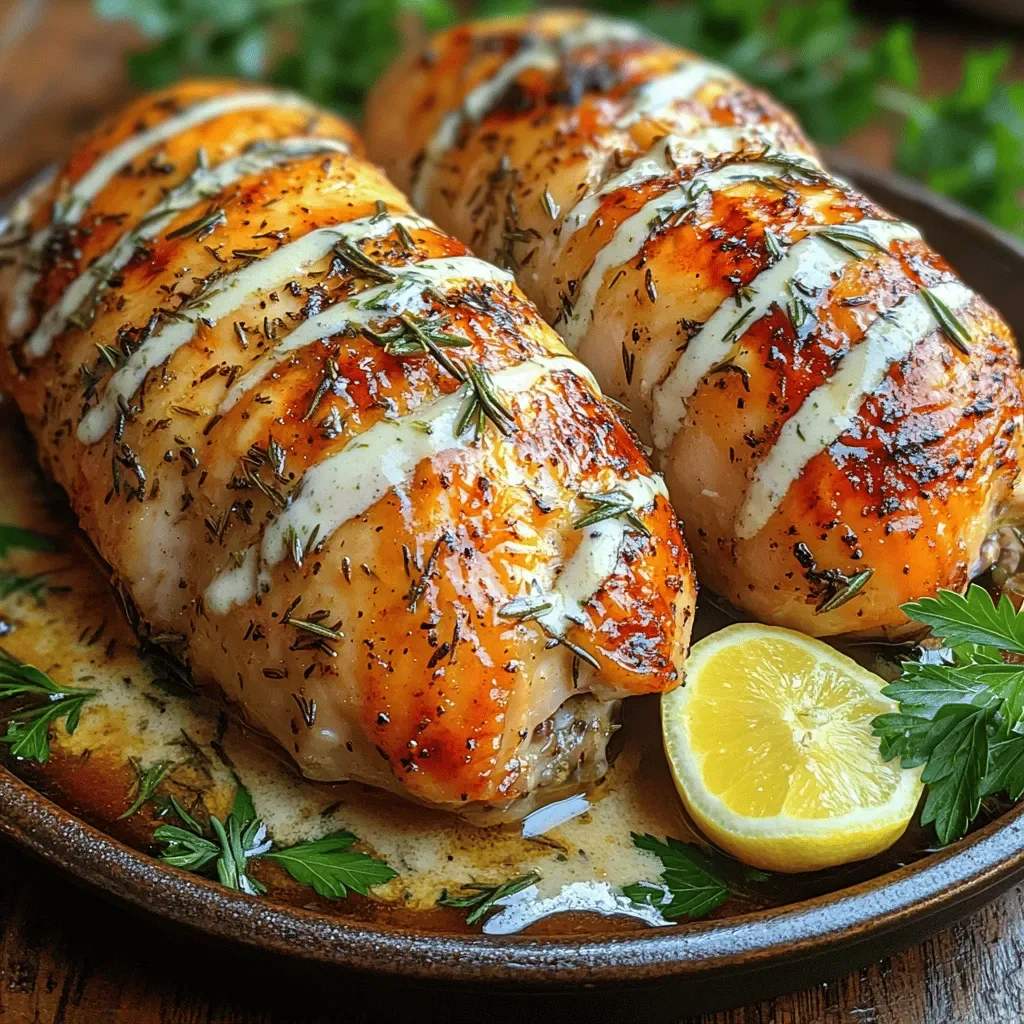
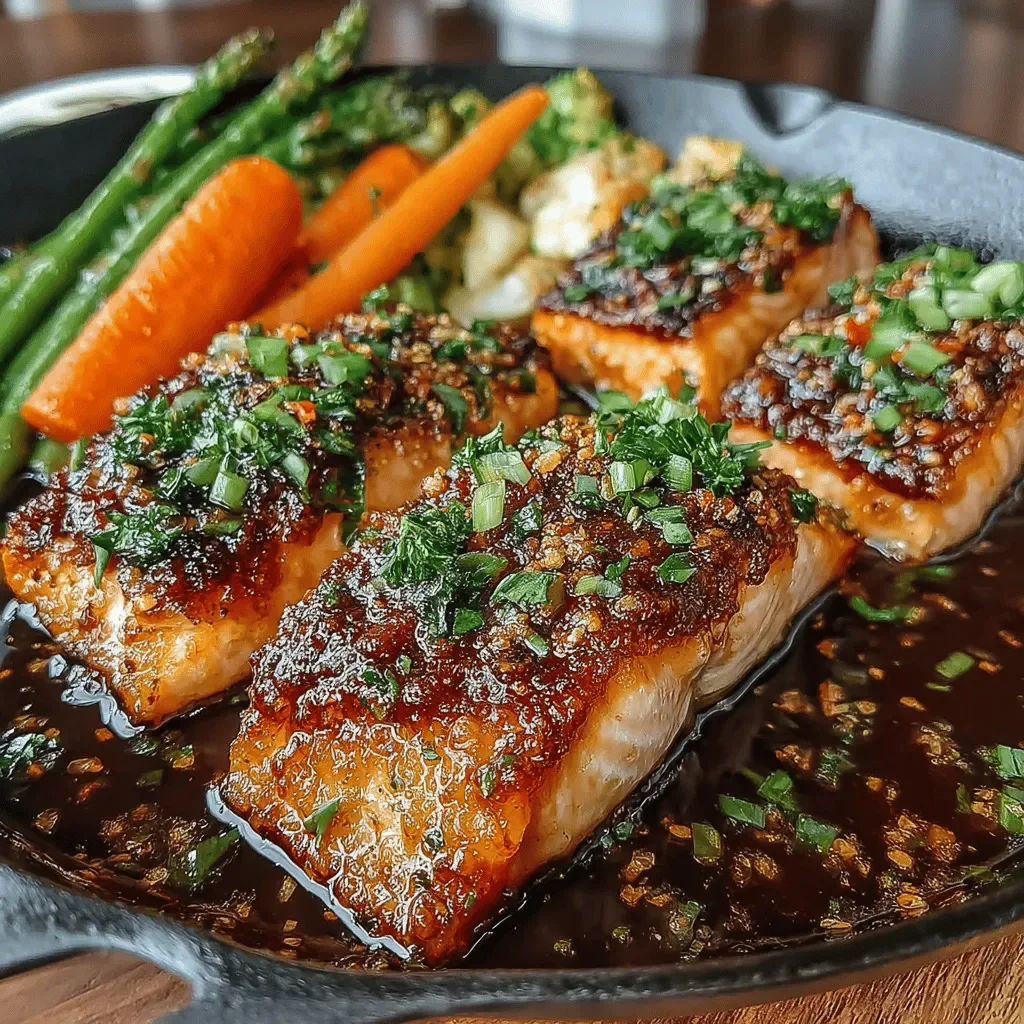
It was a crisp autumn evening, the kind where the wind whistles through the trees and the kitchen smells like a promise of comfort. I was standing over a well‑worn wooden table, the same one my grandmother used for Sunday roasts, and I felt the familiar tug of nostalgia as I lifted the lid of a pot that had been simmering all afternoon. A cloud of fragrant steam rose, carrying notes of toasted pepper, melted cheese, and a whisper of garlic that made my mouth water before the first bite even touched my tongue. That moment—when the aroma wrapped around me like a warm blanket—told me that something special was about to happen, and I knew I had to capture it in a recipe that anyone could recreate at home.
Cacio e pepe, the classic Roman pasta dish that lives on the tip of a fork with its silky cheese‑pepper coating, has always been a comfort food for me. When I first tried to marry that simple, luxurious flavor profile with succulent chicken, the result was nothing short of magical. The chicken absorbs the peppery, cheesy essence while staying juicy and tender, creating a dish that feels both rustic and refined. Imagine a golden‑brown chicken breast that crackles under the knife, releasing a burst of aromatic steam that instantly makes you think of a cozy trattoria in the heart of Rome.
But here's the thing: most home cooks think you need a pasta pot, a cheese grater, and a fancy chef’s knife to pull off the perfect cacio e pepe experience. The truth is, you only need a few pantry staples, a bit of patience, and a willingness to trust your senses. Have you ever wondered why restaurant versions taste so different? The secret isn’t a secret at all—it’s the balance of technique and timing, and a few tricks that most people overlook. I’m about to spill those tricks, and trust me, they’ll change the way you think about this dish forever.
Now, imagine serving this to your family on a weeknight, and watching their eyes light up as they take that first bite. The creamy cheese clings to the chicken, the pepper adds a gentle heat that lingers just long enough to keep you reaching for another fork, and the whole plate looks like it belongs on a food‑magazine spread. The best part? It’s quick enough for a busy schedule yet elegant enough for a special occasion. Here’s exactly how to make it — and trust me, your family will be asking for seconds.
🌟 Why This Recipe Works
- Flavor Depth: The combination of Pecorino Romano and Parmesan creates a layered cheese profile that’s both sharp and buttery, while freshly cracked black pepper adds a fragrant heat that penetrates every bite. This depth is what turns a simple chicken breast into a star‑studded main course.
- Texture Harmony: By searing the chicken to a crisp, golden crust and then finishing it in a buttery, cheesy sauce, you get a delightful contrast between the crunchy exterior and the silky interior. The sauce clings to the meat, ensuring each mouthful is perfectly coated.
- Ease of Execution: The recipe uses straightforward techniques—pan‑searing, deglazing, and tossing—so even a kitchen novice can feel confident. No fancy equipment, just a good skillet and a wooden spoon.
- Time Efficiency: From prep to plate it takes under 45 minutes, making it ideal for busy weeknights without sacrificing flavor. The secret is in the timing of the sauce, which comes together while the chicken rests.
- Versatility: While the dish shines on its own, you can serve it over pasta, alongside roasted vegetables, or even on a bed of creamy polenta. This flexibility means you can adapt it to whatever you have on hand.
- Nutrition Balance: Using lean chicken breasts provides high protein, while the cheese adds calcium and a satisfying richness. The pepper adds antioxidants, making the dish both indulgent and nutritious.
- Crowd‑Pleasing Factor: The familiar flavors of cheese and pepper are universally loved, and the elegant presentation makes it feel like a restaurant dish. It’s the kind of recipe that earns compliments and repeat requests.
🥗 Ingredients Breakdown
The Foundation
The backbone of this dish is the chicken itself—four boneless, skinless chicken breasts that provide lean protein and a neutral canvas for the bold flavors to shine. I always look for chicken that is evenly sized; if some breasts are significantly larger, I’ll pound them to a uniform thickness so they cook evenly. When selecting chicken, opt for birds that have a slight pink hue and firm texture, indicating freshness. If you’re feeling adventurous, you can substitute turkey cutlets for a slightly different flavor profile, but the cooking time will need a minor adjustment.
Aromatics & Spices
Garlic, the aromatic workhorse, is minced finely to release its sweet, caramelized notes without overwhelming the dish. I recommend using fresh cloves rather than pre‑minced garlic because the fresh version adds a brighter, more complex aroma. The star of the spice blend is freshly cracked black pepper—about two teaspoons, but feel free to adjust to your heat tolerance. Freshly cracked pepper releases volatile oils that give a fragrant snap, unlike pre‑ground pepper which can taste dull. A pinch of kosher salt enhances the overall flavor balance and helps the cheese melt more smoothly.
The Secret Weapons
Pecorino Romano and Parmesan are the dynamic duo that bring the cacio e pepe magic to life. Pecorino, with its sharp, tangy bite, provides the characteristic bite of the classic Italian dish, while Parmesan adds a nutty, buttery richness that rounds out the flavor. Grate both cheeses yourself just before you start cooking; the finer the grate, the quicker they’ll melt into a silky sauce. I also add a splash of pasta cooking water (or plain hot water) to the pan; the starches in the water help bind the cheese to the chicken, creating a glossy, cling‑on sauce.
Finishing Touches
A drizzle of high‑quality extra‑virgin olive oil adds a fruity depth that complements the pepper’s heat, while a pat of unsalted butter enriches the sauce with a velvety mouthfeel. Finally, a sprinkle of fresh parsley not only adds a pop of color but also a herbaceous brightness that lifts the entire dish. If you love a little extra zing, a squeeze of lemon juice at the end can cut through the richness and brighten the flavors.
With your ingredients prepped and ready, let's get cooking. Here's where the fun really begins...
🍳 Step-by-Step Instructions
-
Pat the chicken breasts dry with paper towels, then season both sides generously with kosher salt and freshly cracked black pepper. The salt draws out a little moisture, helping the skin (or surface) get that coveted golden crust. As the pepper settles into the meat, you’ll notice a faint, aromatic scent that hints at the flavor explosion to come. Let the seasoned chicken rest for five minutes while you heat the skillet; this short rest allows the seasoning to penetrate more deeply.
💡 Pro Tip: If you have time, season the chicken and refrigerate uncovered for 30 minutes. The dry‑brine technique intensifies flavor and helps the skin crisp up. -
Heat a large heavy‑bottomed skillet over medium‑high heat and add two tablespoons of olive oil. Once the oil shimmers and just begins to smoke, place the chicken breasts in the pan, laying them away from you to avoid splatter. Hear that sizzle? That’s the sound of flavor forming. Cook the chicken undisturbed for about 4‑5 minutes, until the underside is a deep golden brown and releases easily from the pan.
-
Flip the chicken and add two tablespoons of unsalted butter and the minced garlic to the pan. As the butter melts, it will foam and turn a light amber color, releasing a nutty aroma that mingles with the garlic. Stir the garlic gently, allowing it to soften without burning—burnt garlic becomes bitter and can ruin the sauce. Cook for another 3‑4 minutes, basting the chicken with the butter‑garlic mixture using a spoon.
⚠️ Common Mistake: Adding garlic too early can cause it to burn, resulting in a harsh, acrid taste. Keep the heat moderate once the garlic is in the pan. -
Once the chicken is cooked through (internal temperature of 165°F/74°C), remove it from the skillet and set aside on a warm plate. Cover loosely with foil to keep it warm while you finish the sauce. The pan will now be filled with flavorful brown bits—fond—that are the foundation of our cacio e pepe sauce.
💡 Pro Tip: Deglaze the pan with a splash of pasta water or chicken broth, scraping up the browned bits with a wooden spoon. This adds depth and prevents a burnt taste. -
Reduce the heat to low and pour in half a cup of hot pasta cooking water, stirring constantly. The water should be just hot enough to steam, not boil, to avoid shocking the cheese. As you stir, the mixture will begin to thicken, forming a glossy emulsion that coats the back of a spoon. This is the moment where the sauce starts to come alive, and you’ll hear a faint, comforting bubbling sound.
-
Gradually sprinkle in the grated Pecorino Romano and Parmesan, one handful at a time, while whisking continuously. The cheese will melt slowly, creating a silky, velvety texture that clings to the chicken. Keep the whisk moving to prevent clumps; the starches in the water help the cheese emulsify, resulting in a sauce that’s both creamy and slightly glossy. If the sauce seems too thick, add a bit more hot water—one tablespoon at a time—until you reach a smooth, pourable consistency.
-
Return the chicken breasts to the skillet, spooning the cheese‑pepper sauce over each piece. Let the chicken simmer gently for another minute, allowing the flavors to meld and the meat to absorb the sauce’s richness. You’ll notice the cheese coating the chicken like a delicate veil, and the pepper will give a subtle, lingering heat that makes your nose tingle.
-
Finish by drizzling a little extra‑virgin olive oil over the top and sprinkling freshly chopped parsley for a burst of color. Give the pan a final gentle toss to ensure every bite is evenly coated. Serve immediately, either on its own or over a bed of al dente spaghetti for a true cacio e pepe experience. Go ahead, take a taste — you’ll know exactly when it’s right.
And there you have it! But before you dig in, let me share some tips that will take this from great to absolutely unforgettable...
🔐 Expert Tips for Perfect Results
The Taste Test Trick
Before you plate, lift a spoonful of the sauce and let it cool for a few seconds. Taste it and adjust the pepper or salt if needed. This quick check prevents any surprise under‑seasoning and ensures the pepper’s heat is just right for your palate.
Why Resting Time Matters More Than You Think
Letting the cooked chicken rest for five minutes before slicing allows the juices to redistribute, keeping the meat moist. I once sliced the chicken straight from the pan and ended up with dry, crumbly pieces—lesson learned! The rest period also lets the sauce settle, creating a more cohesive flavor.
The Seasoning Secret Pros Won’t Tell You
Add a pinch of smoked paprika to the pepper mixture for a subtle smoky undertone that deepens the flavor without overpowering the classic profile. It’s a small addition that makes a big difference, especially when serving the dish to guests who love a nuanced taste.
Butter‑Oil Balance
Using both butter and olive oil gives you the best of both worlds—olive oil’s high smoke point for a crisp sear, and butter’s richness for a velvety sauce. If you’re watching calories, you can substitute half the butter with extra olive oil, but the sauce will lose some of its luxurious mouthfeel.
The Pasta Water Hack
Reserve at least a cup of pasta water before draining any noodles you might serve alongside. The starchy water is the secret binder that turns a simple cheese mixture into a glossy, cling‑on sauce. I’ve tried using plain water, and the sauce never achieves that perfect sheen.
🌈 Delicious Variations to Try
One of my favorite things about this recipe is how versatile it is. Here are some twists I’ve tried and loved:
Lemon‑Zest Cacio e Pepe Chicken
Add the zest of one lemon to the sauce just before finishing. The citrus brightens the richness and adds a fresh, summery note that pairs beautifully with the pepper’s warmth.
Mushroom‑Infused Cacio e Pepe
Sauté sliced cremini or shiitake mushrooms in the pan after removing the chicken, then deglaze with the pasta water and continue with the cheese sauce. The earthy mushrooms add depth and a meaty texture that complements the chicken.
Spicy Red‑Pepper Kick
Stir in a pinch of crushed red pepper flakes along with the black pepper for a gentle heat that builds on the peppery base. This variation is perfect for those who love a subtle, lingering spice.
Herb‑Garden Version
Swap the parsley for a blend of fresh thyme, rosemary, and basil. The herb mixture adds a fragrant, garden‑fresh aroma that makes the dish feel spring‑like.
Cheese‑Swap Delight
Replace half of the Pecorino with aged Grana Padano for a slightly milder, nuttier flavor. This swap is great for picky eaters who might find Pecorino too sharp.
📦 Storage & Reheating Tips
Refrigerator Storage
Allow the chicken to cool to room temperature, then place it in an airtight container. It will keep for up to three days. When reheating, add a splash of water or broth to revive the sauce’s creaminess.
Freezing Instructions
For longer storage, wrap each chicken breast tightly in plastic wrap, then place them in a freezer‑safe bag. Freeze for up to two months. Thaw overnight in the refrigerator, then reheat gently on the stovetop, adding a little liquid to prevent drying.
Reheating Methods
The trick to reheating without drying it out? A splash of broth or water in a skillet over low heat, covered for a few minutes. Stir occasionally until the sauce re‑emulsifies and the chicken is heated through. Microwaving is possible, but you’ll lose the crisp exterior.