It was a crisp December afternoon when I first discovered the magic of buttery pecan snowball cookies. I was standing in my grandmother’s kitchen, the air thick with the scent of pine and cinnamon, and the old wooden table was dusted with flour like fresh snow. As the oven door swung open, a cloud of warm, buttery steam rose and wrapped around us, making the tiny kitchen feel like a cozy cabin in the woods. I remember the moment the first cookie rolled onto the cooling rack, its golden edges glistening with a dusting of powdered sugar, and I knew I had stumbled upon a family treasure that deserved to be shared far beyond that wintery kitchen.
What makes these snowball cookies stand out isn’t just the melt‑in‑your‑mouth texture; it’s the way every bite tells a story of balance, tradition, and a little bit of culinary alchemy. The buttery base provides a rich, velvety foundation, while the toasted pecans add a nutty crunch that sings with each chew. A whisper of vanilla and a pinch of salt elevate the flavor profile, turning a simple cookie into a sophisticated treat that can hold its own at holiday gatherings, brunch tables, or an after‑dinner coffee moment. Have you ever wondered why a store‑bought version never quite captures that home‑cooked warmth? The secret lies in the careful layering of flavors and the precise technique I’m about to reveal.
But there’s more to this recipe than just the ingredients. I’ve spent years tweaking the method, learning from a few kitchen mishaps, and gathering tips from seasoned bakers who swear by a certain chilling time and a secret rolling technique. In fact, there’s a tiny step that most people skip, and it makes all the difference in achieving that perfect, snow‑like crumb. Trust me, you’ll want to hear about this trick when we get to the rolling stage. And that’s not all—there’s also a surprising garnish that adds a pop of color and an extra burst of flavor, which I’ll unveil just before we plate the cookies.
So, if you’re ready to fill your home with the aroma of fresh‑baked goodness and impress anyone who walks through the door, you’ve come to the right place. Here’s exactly how to make it — and trust me, your family will be asking for seconds, thirds, and maybe even a whole batch for the next holiday season.
🌟 Why This Recipe Works
- Flavor Depth: The combination of browned butter and toasted pecans creates a nutty, caramelized undertone that deepens the overall taste, making each bite feel indulgent without being overly sweet.
- Texture Harmony: The dough’s high butter content yields a tender, melt‑in‑the‑mouth crumb, while the pecans add a satisfying crunch that prevents the cookie from feeling one‑dimensional.
- Ease of Execution: With just a handful of pantry staples and a straightforward mixing method, even novice bakers can achieve professional‑grade results without any fancy equipment.
- Time Efficiency: The recipe balances prep and bake times so you can fit it into a busy weekday evening or a relaxed weekend brunch without feeling rushed.
- Versatility: These cookies shine on their own, but they also pair beautifully with a cup of tea, a glass of milk, or even a scoop of vanilla ice cream for an elevated dessert.
- Ingredient Quality: Using real butter, fresh pecans, and pure vanilla extract ensures a clean, authentic flavor that artificial shortcuts simply can’t replicate.
- Crowd‑Pleaser Factor: Their elegant appearance—soft snowball shape dusted with powdered sugar—makes them perfect for holiday platters, potlucks, or as a thoughtful homemade gift.
🥗 Ingredients Breakdown
The Foundation – Butter & Sugar
Unsalted butter is the heart of this cookie, providing a rich, creamy base that carries the flavor of every other ingredient. I always use butter that’s been softened at room temperature for about 20 minutes; this ensures it blends smoothly with the powdered sugar without leaving lumps. The powdered sugar not only sweetens the dough but also contributes to the delicate, melt‑in‑your‑mouth crumb that defines a snowball cookie. If you happen to have confectioners’ sugar that’s clumped, a quick sift through a fine mesh will rescue the texture and prevent gritty pockets.
Aromatics & Spices – Vanilla & Salt
A splash of pure vanilla extract adds a fragrant, warm undertone that complements the nutty pecans beautifully. I recommend using a high‑quality vanilla bean paste if you want an even more pronounced flavor without the extra cost of the pure extract. The pinch of fine sea salt might seem minimal, but it acts as a flavor enhancer, balancing the sweetness and bringing out the depth of the butter. Some bakers swear by a dash of almond extract for an extra layer of complexity—feel free to experiment!
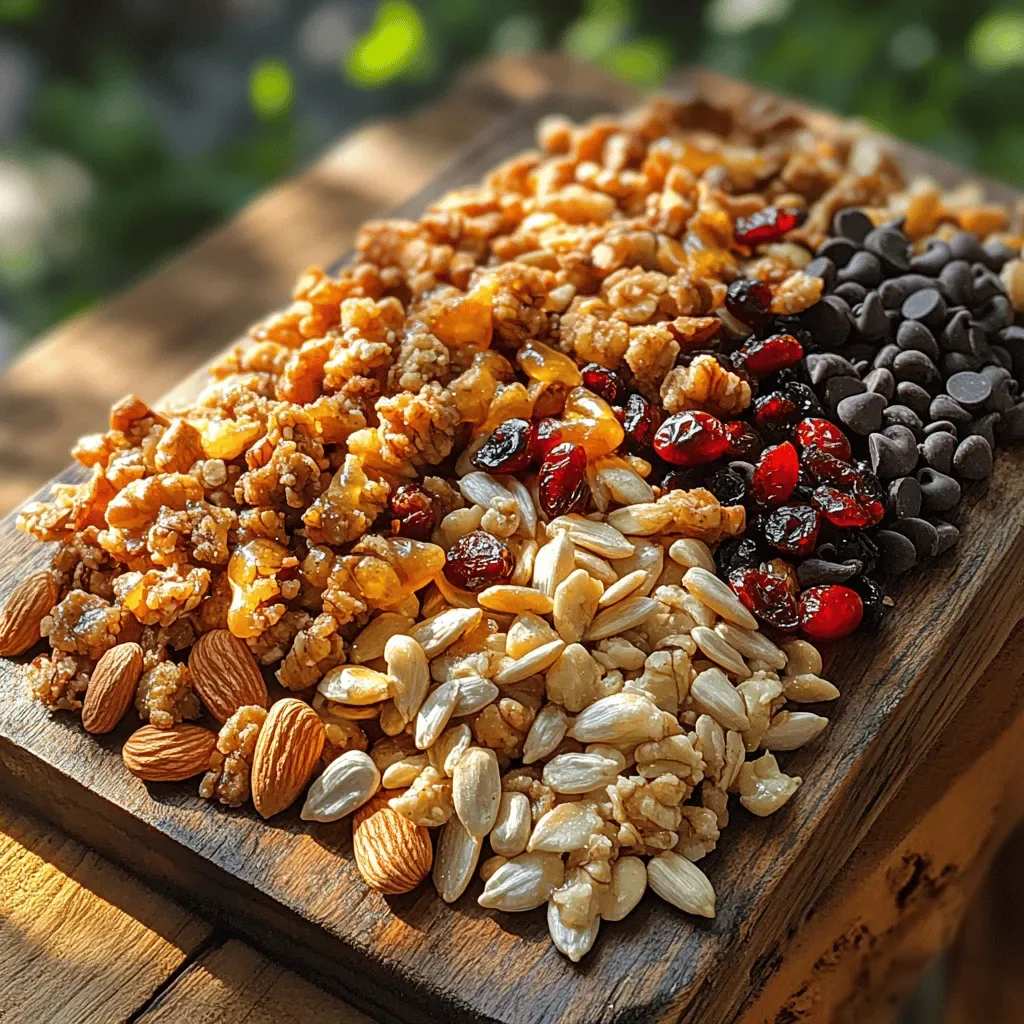
The Secret Weapons – Toasted Pecans & Flour
Pecans are the star of the show. Toasting them lightly in a dry skillet for 5‑7 minutes releases their natural oils, intensifying their buttery flavor and giving the cookies a subtle crunch. Once toasted, let them cool before chopping; this prevents them from turning soggy when mixed into the dough. As for the flour, I use all‑purpose flour for its balanced protein content, which helps the cookie hold its shape while staying tender. If you’re gluten‑sensitive, a 1‑to‑1 gluten‑free flour blend works just as well, though the texture may be slightly softer.
Finishing Touches – Powdered Sugar & Optional Extras
The final dusting of powdered sugar not only gives the cookies their signature snow‑ball look but also adds a light, melt‑away sweetness that doesn’t overwhelm the buttery flavor. Some home cooks like to add a pinch of cinnamon or nutmeg for a warm spice note that pairs perfectly with the pecans. If you want a festive twist, consider mixing in a few orange zest shavings or a drizzle of melted white chocolate after the cookies have cooled. These optional extras are where you can truly make the recipe your own, tailoring it to the season or your personal palate.
With your ingredients prepped and ready, let's get cooking. Here's where the fun really begins...

🍳 Step-by-Step Instructions
Preheat your oven to 350°F (175°C) and line two baking sheets with parchment paper. While the oven warms, take a moment to appreciate the quiet hum of the kitchen—this is where the magic starts to build. The parchment paper not only prevents sticking but also helps the cookies bake evenly, giving them that perfect, uniform golden edge.
💡 Pro Tip: If you’re baking multiple batches, keep the second sheet covered with a clean kitchen towel to retain warmth and avoid a sudden temperature drop when you place the next batch in the oven.In a large mixing bowl, cream together 1 cup (2 sticks) of softened unsalted butter and ½ cup of powdered sugar until the mixture is light, fluffy, and pale yellow. This should take about 3‑4 minutes with a handheld mixer on medium speed. The creaming process incorporates air, which is essential for that tender crumb we all love. As you mix, you’ll notice the sweet aroma of butter and sugar melding together—trust your nose; if it smells like a bakery, you’re on the right track.
Add 1 teaspoon of pure vanilla extract and a pinch (about ¼ teaspoon) of fine sea salt to the creamed butter mixture. Mix just until the vanilla is fully incorporated, then pause to savor the fragrant, slightly caramel‑like scent that rises from the bowl. This step is where the flavor foundation truly begins to shine, and a good vanilla will make a noticeable difference.
Gradually stir in 2 cups of all‑purpose flour, one cup at a time, using a wooden spoon or a spatula. The dough will look crumbly at first, but keep mixing until it just comes together into a cohesive ball. Here’s the thing: over‑mixing can develop gluten, leading to a tougher cookie, so stop as soon as the flour is fully incorporated.
⚠️ Common Mistake: Adding flour too quickly can cause dry pockets in the dough; always add it gradually and scrape the sides of the bowl.Fold in 1 cup of toasted, coarsely chopped pecans. The nuts should be evenly distributed, creating specks of gold throughout the dough. I like to use a rubber spatula for this step, gently turning the dough over on itself to preserve the delicate crumb while ensuring every bite gets a nutty surprise.
Cover the dough with plastic wrap and refrigerate for at least 30 minutes, or up to 2 hours if you have time. This chilling step solidifies the butter, preventing the cookies from spreading too much during baking. While the dough rests, the flavors continue to meld, and the texture becomes firmer—trust me, the wait is worth it.
After chilling, scoop out tablespoon‑sized portions of dough and roll each piece between your palms to form smooth, round balls about 1‑inch in diameter. Place the balls on the prepared baking sheets, leaving about 2 inches of space between each cookie. If you want perfectly uniform spheres, you can use a small ice‑cream scoop (the kind used for cookie dough).
Bake the cookies for 12‑15 minutes, or until the edges are lightly golden and the tops have set but not browned. You’ll notice a faint nutty fragrance wafting from the oven—this is the toasted pecan aroma reaching its peak. Keep a close eye on the last two minutes; over‑baking will turn these delicate snowballs into crisp crackers.
Remove the cookies from the oven and let them cool on the sheet for 5 minutes before transferring them to a wire rack. While still warm, generously dust each cookie with powdered sugar using a fine-mesh sieve. The heat helps the sugar adhere, creating that signature snow‑covered look that makes these cookies instantly recognizable.
Allow the cookies to cool completely before storing them in an airtight container. As they sit, the flavors continue to develop, and the texture becomes even more tender. Go ahead, take a taste — you’ll know exactly when it’s right: the cookie should feel soft, melt in your mouth, and leave a lingering buttery, nutty aftertaste.
And there you have it! But before you dig in, let me share some tips that will take this from great to absolutely unforgettable...
🔐 Expert Tips for Perfect Results
The Taste Test Trick
Before you roll the final batch, take a tiny piece of dough and bake it on a small parchment square. This test bite will tell you if the butter flavor is pronounced enough or if a pinch more vanilla is needed. I once baked a full batch only to realize the vanilla was too subtle; a quick taste test would have saved me an hour of re‑baking.
Why Resting Time Matters More Than You Think
Chilling the dough isn’t just about shape; it also allows the flour to fully hydrate, creating a softer crumb. If you’re in a rush, a 15‑minute chill will still improve texture, but a full 30‑minute rest yields that melt‑in‑your‑mouth feel we all crave. Trust me on this one: the extra patience pays off in every bite.
The Seasoning Secret Pros Won’t Tell You
A pinch of fine sea salt on top of the powdered sugar right after baking can create a delightful sweet‑and‑salty contrast that elevates the flavor profile. I discovered this secret while watching a pastry chef on a cooking show, and it’s become my go‑to finishing touch for special occasions.
The Perfect Rolling Technique
Instead of using your whole hand, roll the dough between the palms of your hands, applying gentle, even pressure. This method creates a uniformly smooth surface and prevents the dough from flattening. I once rolled the cookies too hard, and they turned into flat discs—lesson learned: gentle is the key.
Storing for Maximum Freshness
Once cooled, store the cookies in a single layer inside a sealed glass jar with a piece of parchment between each layer. This prevents them from sticking together and keeps the powdered sugar from clumping. If you’re planning to gift them, add a sprig of rosemary or a cinnamon stick to the jar for an aromatic presentation.
Re‑baking for a Warm Finish
If you want to serve the cookies warm, pop them back in a 300°F (150°C) oven for 5 minutes. The butter will melt slightly, releasing an even richer aroma, and the powdered sugar will form a light glaze. The result? A cookie that feels freshly baked straight from the oven, even if it was made the day before.
🌈 Delicious Variations to Try
One of my favorite things about this recipe is how versatile it is. Here are some twists I've tried and loved:
Maple‑Glazed Pecan Snowballs
Replace half of the powdered sugar with pure maple syrup in the dough and drizzle a thin maple glaze over the finished cookies. The natural caramel notes of maple complement the toasted pecans, creating a cozy autumn flavor that pairs perfectly with a cup of chai.
Chocolate‑Dipped Snowballs
After the cookies have cooled, dip half of each cookie in melted dark chocolate and let it set on parchment. The bitter chocolate contrasts the sweet, buttery base, and the glossy finish adds a sophisticated visual appeal for holiday parties.
Citrus‑Zest Snowballs
Add one tablespoon of finely grated orange or lemon zest to the dough for a bright, citrusy pop. The zest’s aromatic oils lift the richness of the butter, making the cookies feel lighter and perfect for spring gatherings.
Spiced Pumpkin Snowballs
Incorporate ¼ cup of pumpkin puree and a pinch of pumpkin spice into the dough, then roll the cookies as usual. The pumpkin adds moisture and an earthy sweetness, while the spice blend deepens the flavor, turning these cookies into a Thanksgiving centerpiece.
Almond‑Coconut Snowballs
Swap half of the pecans for shredded unsweetened coconut and add ½ teaspoon of almond extract. The coconut lends a tropical chew, and the almond extract adds a subtle floral note that pairs beautifully with the buttery base.
📦 Storage & Reheating Tips
Refrigerator Storage
Place the cooled cookies in an airtight container and store them in the refrigerator for up to one week. The chilled environment keeps the butter from going rancid and preserves the delicate crumb. If you notice any condensation, simply let the container sit at room temperature for a few minutes before serving.
Freezing Instructions
These cookies freeze beautifully. Arrange them in a single layer on a baking sheet, freeze until solid, then transfer to a zip‑top freezer bag. They’ll stay fresh for up to three months. When you’re ready to enjoy them, let them thaw at room temperature for 20 minutes, then give them a quick warm‑up in a 300°F oven for 5 minutes to revive that fresh‑baked aroma.
Reheating Methods
The trick to reheating without drying out? A splash of melted butter brushed lightly over the top before a brief 5‑minute bake at 300°F. This adds a glossy sheen and restores the buttery softness, making each bite taste as if it just left the oven.