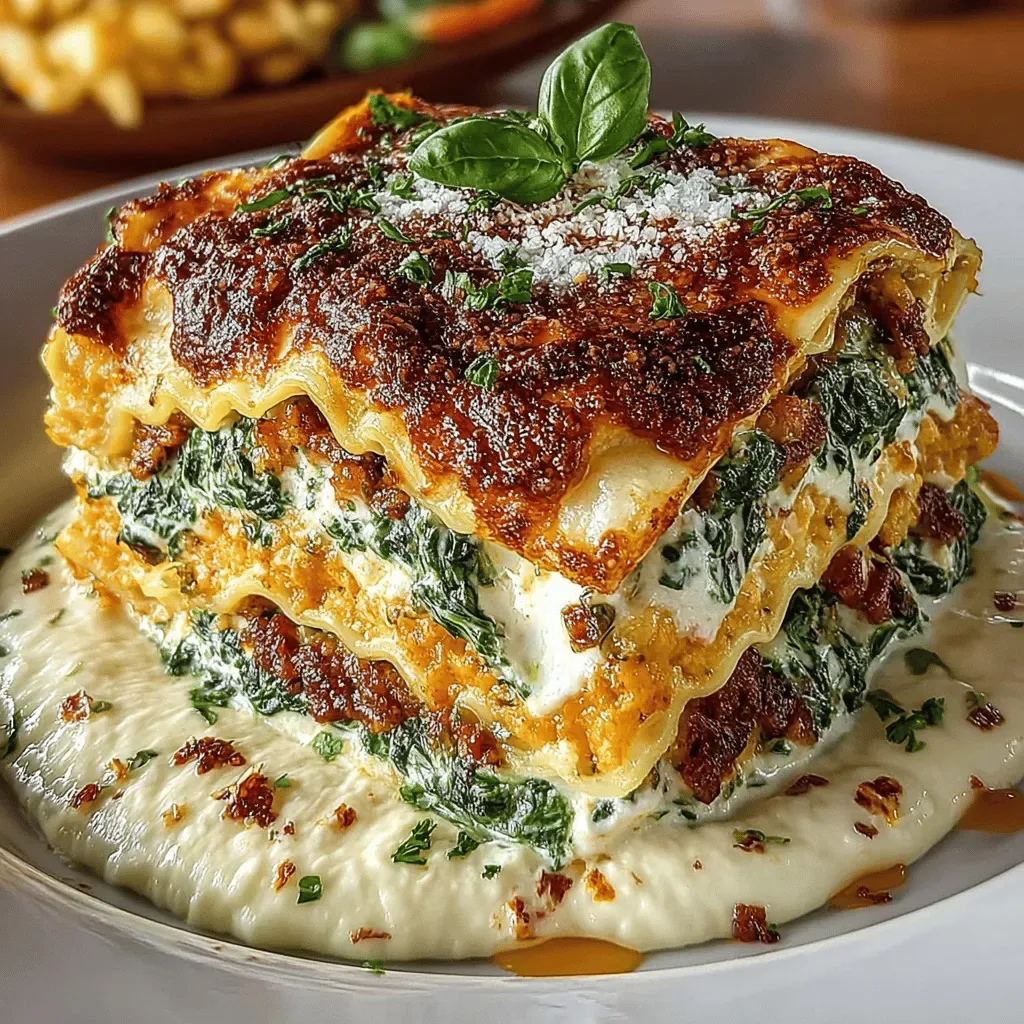
It was a crisp autumn evening, the kind where the wind whispers through the trees and the kitchen becomes a sanctuary of warmth and comfort. I remember my grandmother pulling a heavy, cast‑iron pot from the pantry, the metal already humming with the promise of something unforgettable. As the lid lifted, a cloud of fragrant steam rose, carrying the sweet scent of carrots, the earthy perfume of celery, and a deep, savory whisper of simmering meat that made my mouth water before the first spoonful even touched my tongue. That moment, that aroma, is exactly what I wanted to capture for you today—a Bolognese sauce that feels like a hug from the past but sings with a modern, five‑star brilliance.
Why does this recipe stand out among the countless versions you’ll find online? Because it respects the time‑honored traditions of the Emilia‑Romagna region while embracing a few secret tricks that I’ve gathered over decades of cooking for friends, family, and the occasional skeptical food critic. The sauce doesn’t just sit on the pasta; it clings, it embraces, it transforms each noodle into a vehicle for flavor. And the best part? You don’t need a professional kitchen or a Michelin‑star chef’s patience—just a willingness to let the flavors develop slowly, lovingly, and a few minutes of your day.
But wait—there’s a twist that will elevate this sauce from “delicious” to “incredible.” I’m talking about a humble splash of milk that softens the acidity, a pinch of nutmeg that adds a whisper of warmth, and a secret finishing technique that locks in moisture and depth. I’ll reveal those secrets in the steps ahead, but first let’s set the stage. Imagine the sizzle of onions turning translucent, the caramelized edge of pancetta, the rich red wine bubbling as it deglazes—each sound a promise of the layers to come.
Here’s exactly how to make it — and trust me, your family will be asking for seconds, thirds, and maybe even a fourth helping. The journey from raw ingredients to a sauce that could grace a restaurant’s menu is as rewarding as the final bite. So roll up your sleeves, preheat your imagination, and let’s dive into the world of Bolognese that will make your kitchen the talk of the town.
🌟 Why This Recipe Works
- Flavor Depth: The slow simmer of beef, pork, and pancetta creates a layered umami base that deepens with each passing minute. By adding tomato paste early, you caramelize the natural sugars, giving the sauce a subtle sweetness that balances the acidity of tomatoes.
- Silky Texture: Incorporating milk midway through cooking mellows the acidity and adds a velvety mouthfeel that coats the pasta beautifully. This technique, borrowed from traditional Italian chefs, prevents the sauce from becoming harsh or grainy.
- Ease of Execution: Although the sauce benefits from a long cooking time, the steps are straightforward and forgiving. You can prep the aromatics while the meat browns, and the sauce practically cooks itself once it reaches a gentle boil.
- Time Efficiency: While we recommend a two‑hour simmer for maximum flavor, a minimum of one hour still yields a rich, satisfying sauce. This flexibility means you can adapt it to a weekday dinner or a leisurely weekend feast.
- Versatility: This Bolognese shines on tagliatelle, pappardelle, or even a hearty polenta base. It also works as a filling for lasagna, a topping for baked potatoes, or a savory dip for crusty bread.
- Nutrition Balance: By combining lean ground beef with pork and a modest amount of olive oil, you get a protein‑rich dish without excessive fat. The vegetables add fiber and natural sweetness, making the sauce both hearty and wholesome.
- Ingredient Quality: Using fresh aromatics, high‑quality canned tomatoes, and a good splash of red wine elevates the dish from ordinary to extraordinary. Each component plays a crucial role in building the final flavor profile.
- Crowd‑Pleasing Factor: The rich, comforting taste appeals to both kids and adults, making it perfect for family gatherings, dinner parties, or a cozy night in. Even picky eaters find themselves reaching for another forkful.
🥗 Ingredients Breakdown
The Foundation
Olive oil and butter form the aromatic base, providing a buttery richness that carries the flavors of the vegetables. Use extra‑virgin olive oil for its peppery notes, and a good quality unsalted butter to add a subtle dairy undertone. When combined, they create a glossy sheen that helps the aromatics sauté evenly without burning.
Onion, carrot, and celery—known as the soffritto—are the holy trinity of Italian cooking. Finely dice them to ensure they melt into the sauce, releasing natural sugars that caramelize and add a sweet backbone. If you can’t find fresh carrots, a small amount of carrot puree works as a substitute, preserving the sweetness while speeding up prep time.
Aromatics & Spices
Garlic, minced just before adding, contributes a sharp, aromatic bite that brightens the richness of the meat. Add it after the soffritto has softened to avoid burning, which would introduce bitterness. A bay leaf and a pinch of freshly grated nutmeg bring warmth and complexity, echoing the classic flavors of traditional Bolognese.
Pancetta, diced into tiny cubes, renders its own fat, infusing the sauce with a smoky, salty depth. If pancetta isn’t on hand, bacon or prosciutto can be used, though each will impart a slightly different nuance. The key is to let it crisp just enough to release its fat before adding the ground meat.
The Secret Weapons
A splash of dry red wine is more than a deglazing agent; it adds acidity, fruitiness, and a subtle tannic structure that balances the richness of the meat. Choose a wine you would enjoy drinking, as the flavor concentrates during simmering. If you prefer to skip alcohol, replace it with an equal amount of beef broth and a splash of balsamic vinegar.
Milk, added midway, softens the sauce’s acidity and creates a silkier texture. This might sound unusual, but the lactose reacts with the tomatoes, mellowing their sharpness while enriching the overall mouthfeel. Whole milk works best, but you can substitute with half‑and‑half for a slightly lighter version.
Finishing Touches
Canned crushed tomatoes provide the bright, tangy component that ties the sauce together. Look for San Marzano tomatoes if possible; their natural sweetness reduces the need for added sugar. A final sprinkle of fresh basil and a generous grating of Parmesan cheese adds herbaceous freshness and a salty, nutty finish that elevates every bite.
With your ingredients prepped and ready, let's get cooking. Here's where the fun really begins…
🍳 Step-by-Step Instructions
Heat a large, heavy‑bottomed pot over medium heat and add the olive oil and butter. Once the butter has melted and the oil shimmers, toss in the diced pancetta. Listen for the sizzle as the fat renders, and let it cook until the pieces turn golden and crisp, about 3‑4 minutes. This step builds the foundational flavor, and the rendered fat will later coat the meat, preventing it from sticking.
Reduce the heat to medium‑low and add the finely diced onion, carrot, and celery. Stir constantly, allowing the vegetables to soften and turn translucent, about 6‑8 minutes. You’ll notice a sweet aroma as the natural sugars begin to caramelize—this is the moment the sauce starts to develop its depth. Pro Tip: If the vegetables start to stick, splash a tablespoon of water; this helps them steam without burning.
Introduce the minced garlic, stirring for just 30 seconds until it becomes fragrant but not browned. Then, add the ground beef and pork, breaking them up with a wooden spoon. Cook until the meat loses its pink hue and begins to brown, roughly 10 minutes. Patience is key here; let the meat develop a deep brown crust before moving on—this is where the umami magic happens.
Deglaze the pot with the red wine, scraping up any browned bits stuck to the bottom. As the wine bubbles, you’ll hear a faint hissing sound—a sign that the alcohol is evaporating and the flavors are concentrating. Let it reduce by half, about 5‑6 minutes, until it thickens slightly and the aroma becomes richer and more complex.
Stir in the tomato paste, allowing it to coat the meat and vegetables. Cook for another 2‑3 minutes until the paste darkens to a deep mahogany color, releasing a sweet, roasted scent. This step is crucial; it builds a robust backbone that prevents the sauce from tasting overly acidic later on.
Pour in the crushed tomatoes, followed by the bay leaf, dried oregano, and a pinch of nutmeg. Stir to combine, then bring the mixture to a gentle simmer. Reduce the heat to low, partially cover the pot, and let it cook for at least 60 minutes, stirring occasionally. The sauce will thicken, the flavors will meld, and you’ll notice a beautiful, glossy sheen forming on the surface.
About 20 minutes before the end of the simmer, pour in the milk, stirring gently to incorporate. The sauce will briefly bubble, and you’ll smell a comforting, creamy aroma that softens the tomato’s sharp edge. Continue to simmer, allowing the milk to meld with the meat and tomatoes, creating a luxurious, velvety texture.
Season generously with salt and freshly ground black pepper, tasting as you go. Add a final splash of red wine or a teaspoon of balsamic vinegar if you feel the sauce needs a touch more acidity. Remove the bay leaf, then stir in fresh basil leaves just before serving, letting their bright, herbaceous scent rise to the top.
Serve the sauce over al dente pasta, tossing gently to coat each strand. Finish each plate with a generous shaving of Parmesan cheese and a drizzle of extra‑virgin olive oil. Go ahead, take a taste — you’ll know exactly when it’s right. The sauce should cling lovingly to the pasta, offering a balanced bite of meat, tomato, and subtle creaminess.
And there you have it! But before you dig in, let me share some tips that will take this from great to absolutely unforgettable…
🔐 Expert Tips for Perfect Results
The Taste Test Trick
Before you finish cooking, scoop a spoonful onto a warm plate and let it cool for a few seconds. This pause lets the flavors settle, allowing you to detect any missing seasoning. Trust your palate—if it needs a pinch more salt or a dash of pepper, add it now. I once served a batch that was slightly flat, and a quick taste test saved the dinner.
Why Resting Time Matters More Than You Think
After the sauce has simmered, turn off the heat and let it rest, covered, for 10‑15 minutes. This resting period lets the fat re‑emulsify, creating a silkier mouthfeel. The flavors also continue to meld, making each bite more harmonious. I’ve found that a rested sauce tastes richer than one served immediately.
The Seasoning Secret Pros Won’t Tell You
A tiny pinch of sugar can balance the acidity of the tomatoes without making the sauce sweet. Add it sparingly—just a pinch—while the sauce is simmering, and you’ll notice a smoother, rounder flavor profile. This is a trick many chefs keep close to the chest, but I’m sharing it with you because I love a well‑balanced sauce.
The Finish Line: Fresh Herbs at the End
Adding fresh basil or parsley right before serving preserves their bright, aromatic qualities. If you add them too early, the heat will dull their flavor. I once added basil too soon and the sauce lost its fresh pop; now I always sprinkle it in at the last minute.
The Power of a Good Pasta Water
Reserve a cup of starchy pasta water before draining. Adding a splash to the sauce helps it cling to the noodles and creates a glossy finish. The water’s starch acts as a natural thickener, ensuring each bite is coated perfectly.
🌈 Delicious Variations to Try
One of my favorite things about this recipe is how versatile it is. Here are some twists I've tried and loved:
Mushroom Medley Bolognese
Swap half of the meat for a blend of finely chopped cremini, shiitake, and portobello mushrooms. The umami from the mushrooms deepens the sauce, making it a wonderful vegetarian-friendly option. Expect an earthy, robust flavor that still holds the classic Bolognese character.
Spicy Arrabbiata Fusion
Add a teaspoon of crushed red pepper flakes along with the garlic for a gentle heat that awakens the palate. Finish with a drizzle of extra‑virgin olive oil infused with chili for an extra kick. This variation is perfect for those who love a little fire with their comfort food.
White Wine & Herb Bolognese
Replace the red wine with an equal amount of dry white wine and add a handful of fresh thyme and rosemary. The white wine imparts a lighter, fruitier note, while the herbs bring a fragrant, piney aroma. This version pairs beautifully with delicate pasta shapes like tagliolini.
Creamy Pumpkin Bolognese
Stir in a cup of pureed roasted pumpkin during the last 15 minutes of simmering. The pumpkin adds a subtle sweetness and a beautiful orange hue, turning the sauce into a cozy autumnal delight. Pair with sage‑infused gnocchi for a truly seasonal feast.
Slow‑Cooker Comfort
After browning the meat and aromatics, transfer everything to a slow cooker on low for 6‑8 hours. The low, steady heat allows the flavors to meld perfectly, and you’ll come home to a ready‑to‑serve masterpiece. This method is a lifesaver for busy weekdays.
Cheesy Baked Bolognese
Layer the sauce with mozzarella and ricotta in a baking dish, then top with a generous amount of Parmesan and bake until bubbly and golden. The cheese creates a luscious crust that adds texture contrast to the silky sauce underneath. It’s a crowd‑pleasing twist for potluck gatherings.
📦 Storage & Reheating Tips
Refrigerator Storage
Allow the sauce to cool to room temperature before transferring it to an airtight container. It will keep fresh for up to four days in the fridge. When reheating, add a splash of milk or broth to revive its silky texture, and stir gently over low heat.
Freezing Instructions
Portion the sauce into freezer‑safe bags or containers, leaving a little headspace for expansion. It freezes beautifully for up to three months. To thaw, move it to the refrigerator overnight, then reheat gently on the stovetop, adding a bit of water or broth if it seems thick.
Reheating Methods
The trick to reheating without drying it out? A splash of milk, broth, or even a drizzle of olive oil. Warm the sauce over medium‑low heat, stirring frequently, until it reaches a gentle simmer. Avoid boiling, which can cause the fat to separate and the texture to become grainy.