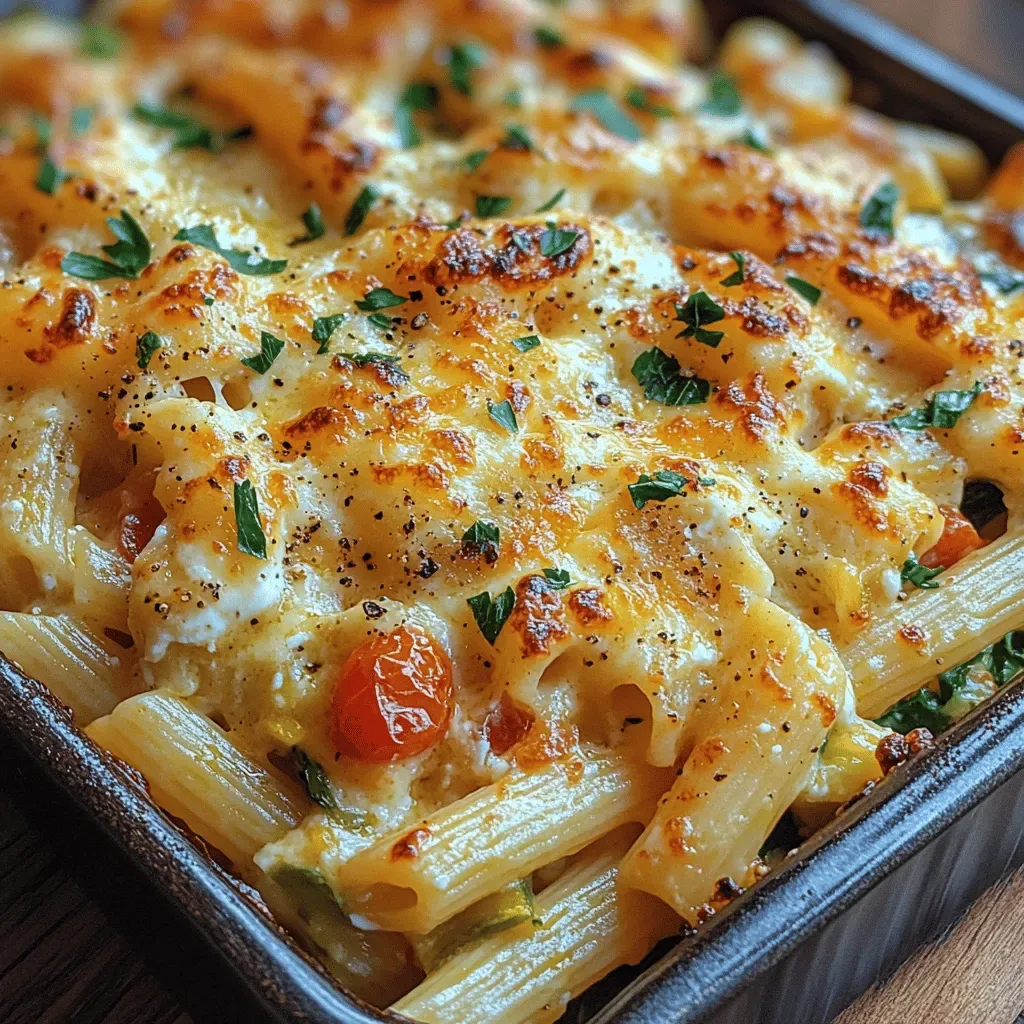
It was a chilly Saturday evening in November, the kind of night when the wind whistles through the trees and the house smells faintly of pine from the wreath on the front door. I was standing at the stove, a pot of water humming on the burner, when my teenage daughter shouted, “Mom, what’s for dinner?” I glanced over the counter, saw a bag of rotini waiting patiently, and thought, “Why not turn this simple pantry staple into something that feels like a warm hug?” The moment I lifted the lid of the pan, a cloud of fragrant steam—garlic, butter, and a hint of Parmesan—rose up and wrapped the kitchen in a comforting embrace. That steam was the first clue that we were about to create a dish that would become a family favorite for years to come.
The magic of this Beef and Rotini in Garlic Parmesan Sauce lies in its balance of hearty ground beef, creamy sauce, and the perfect bite of al dente pasta. Imagine twirling a forkful of glossy rotini, each groove catching a silky ribbon of sauce, while the tender beef adds a savory depth that makes you close your eyes and sigh. The sauce itself is a symphony of flavors: the nutty richness of Parmesan, the bright snap of fresh garlic, and a whisper of red pepper flakes that give it just enough heat to keep the palate excited. As the dish simmers, the aromas mingle, creating a perfume that could coax even the most stubborn eaters to the table.
But there’s more to this recipe than just taste. It’s built on a series of small, intentional steps that turn ordinary ingredients into an extraordinary meal. From the moment you brown the beef until the final garnish of parsley, each stage adds a layer of texture and flavor that you’ll notice with every bite. Have you ever wondered why restaurant versions of creamy pasta dishes taste so different? The secret is often in the technique—like creating a roux with butter and flour before whisking in the cream, which gives the sauce its velvety body without turning greasy.
I’ll let you in on a little secret: the key to getting that perfect sauce consistency is a simple trick I learned from my grandmother, and I’ll reveal it in step four. Trust me, you’ll want to bookmark that part. Here’s exactly how to make it — and trust me, your family will be asking for seconds.
🌟 Why This Recipe Works
- Flavor Depth: The combination of ground beef and Parmesan creates a savory backbone that’s richer than a simple tomato sauce. The beef releases natural juices that mingle with the cream, producing a depth you can’t achieve with just dairy alone.
- Texture Harmony: Rotini’s twists trap the sauce, ensuring every bite is coated. The slight chew of the pasta balances the silkiness of the sauce and the crumble of browned beef.
- Ease of Execution: All the steps can be completed in a single skillet, which means less cleanup and more time to enjoy the meal with loved ones.
- Time Efficiency: With a total cooking time of about 45 minutes, this dish fits perfectly into a weeknight schedule while still feeling special enough for a weekend feast.
- Versatility: You can swap the ground beef for turkey, chicken, or even plant‑based mince, and the sauce adapts beautifully, making it a flexible canvas for dietary preferences.
- Nutrition Balance: The recipe offers a solid protein punch from the beef and cheese, while the cream adds healthy fats, and the tomatoes contribute a burst of antioxidants.
- Ingredient Quality: By using fresh garlic, high‑quality Parmesan, and ripe cherry tomatoes, you elevate a pantry staple into a restaurant‑worthy plate.
- Crowd‑Pleasing Factor: The creamy, cheesy profile is universally loved, making it a safe bet for picky eaters and food enthusiasts alike.
🥗 Ingredients Breakdown
The Foundation
12 oz rotini pasta – This short‑tube pasta is perfect for catching sauce in its spirals. Choose a good quality durum wheat rotini for a firm bite that won’t turn mushy after a few minutes of simmering. If you prefer a gluten‑free option, brown rice rotini works just as well, though the texture will be slightly softer.
1 lb ground beef – I recommend an 80/20 lean‑to‑fat ratio; the fat renders down, adding richness to the sauce while keeping the meat moist. If you’re watching calories, a 90/10 blend will still give flavor, but you might want to add a splash of olive oil to prevent dryness.
Aromatics & Spices
1 tbsp olive oil – This light oil helps to sauté the garlic without burning it, and it adds a subtle fruity note that complements the beef. For a deeper flavor, you could substitute with a spoonful of butter, but keep an eye on the heat to avoid scorching.
4 cloves garlic, minced – Fresh garlic is a non‑negotiable for this sauce; its pungent bite mellows into sweet aromatics as it cooks. If you love garlic, consider adding a second clove at the very end for a burst of fresh flavor.
1 tsp salt & 0.5 tsp black pepper – Simple seasonings that enhance the natural flavors of the meat and sauce. Taste as you go; the Parmesan will add its own saltiness later.
1 tsp Italian seasoning – A blend of oregano, basil, and thyme that adds a Mediterranean twist. Feel free to customize with dried rosemary or sage for a different herb profile.
The Secret Weapons
1 cup cherry tomatoes, halved – Their burst of acidity cuts through the richness of the cream, while their natural sweetness balances the salty cheese. If cherry tomatoes aren’t in season, diced Roma tomatoes work well.
3 tbsp butter – Butter creates a glossy base for the roux, giving the sauce a luxurious mouthfeel. Using unsalted butter lets you control the overall salt level more precisely.
2 tbsp all‑purpose flour – The flour, when cooked with butter, forms a roux that thickens the sauce without clumping. For a gluten‑free version, substitute with an equal amount of cornstarch mixed with a little water.
1.5 cups heavy cream & 1 cup milk – The combination of cream and milk creates a sauce that’s rich but not overly heavy. If you prefer a lighter version, replace half the cream with low‑fat milk, but be prepared for a slightly thinner sauce.
1 cup Parmesan cheese, grated – Freshly grated Parmesan melts smoothly and adds a salty, umami punch. Pre‑grating the cheese saves time and ensures it incorporates evenly.
0.5 tsp garlic powder & 0.25 tsp crushed red pepper flakes – These two spices amplify the garlic flavor and add a subtle heat that awakens the palate without overwhelming the dish.
Finishing Touches
Fresh parsley, chopped – A sprinkle of bright green parsley at the end adds a fresh, herbaceous note that lifts the richness of the sauce. If you don’t have parsley, basil or cilantro can provide a different but equally delightful finish.
With your ingredients prepped and ready, let's get cooking. Here's where the fun really begins...

🍳 Step-by-Step Instructions
Bring a large pot of salted water to a rolling boil. Add the rotini and cook until it’s just al dente—usually about 9 minutes. Drain, reserving a cup of pasta water, and set the pasta aside. The water you saved will be your secret weapon for adjusting sauce consistency later. Go ahead, take a taste of the pasta; you’ll notice a slight bite that’s perfect for holding onto the creamy sauce.
While the pasta cooks, heat 1 tbsp olive oil in a large skillet over medium‑high heat. Add the ground beef, breaking it up with a wooden spoon. Sprinkle with 1 tsp salt and 0.5 tsp black pepper. Cook until the beef is browned and the juices have rendered, about 6‑8 minutes. Here’s the thing: let the beef develop a deep brown crust—this is where the flavor lives. Once browned, transfer the beef to a plate and set aside, leaving the rendered fat in the pan.
Reduce the heat to medium and add 3 tbsp butter to the same skillet. Once melted, stir in 2 tbsp flour, whisking constantly for about 2 minutes until the mixture turns a light golden hue. This is the roux that will thicken your sauce without lumps. If you hear a faint nutty scent, you’re on the right track. Then, slowly whisk in the 1.5 cups heavy cream and 1 cup milk, making sure each addition is fully incorporated before the next.
Now, the secret trick: after the liquid is fully blended, add the 0.5 tsp garlic powder and 0.25 tsp crushed red pepper flakes. Bring the mixture to a gentle simmer, stirring occasionally, until it thickens enough to coat the back of a spoon—about 5‑7 minutes. This is the moment where patience pays off; a rushed sauce can become grainy. Trust me on this one: let it bubble gently, and you’ll get that velvety texture that makes the dish unforgettable.
Remove the skillet from the heat and stir in 1 cup grated Parmesan cheese until it melts into a smooth, glossy sauce. The cheese should dissolve completely, leaving no clumps. Then, fold the browned beef back into the pan, letting it re‑warm in the sauce for a minute. The beef re‑absorbs some of the sauce’s richness, creating a cohesive flavor profile.
Add the halved cherry tomatoes to the skillet, stirring gently. The tomatoes will soften just enough to release a sweet, tangy juice that brightens the dish. Let them sit for 2‑3 minutes; you’ll see the sauce take on a slightly deeper ruby hue. If the sauce looks too thick, drizzle in a bit of the reserved pasta water—this will loosen it without sacrificing creaminess.
Finally, toss the cooked rotini into the skillet, coating each piece thoroughly with the garlic Parmesan sauce. Use tongs to lift and turn the pasta, ensuring every twist is smothered. Sprinkle the chopped fresh parsley over the top for a burst of color and freshness. Give the whole pan a gentle toss one more time, then let it rest for a couple of minutes so the flavors meld together.
Serve the dish hot, straight from the skillet or transferred to a warmed serving bowl. Pair it with a simple green salad and a glass of crisp white wine, and you’ve got a dinner that feels both comforting and celebratory. And the best part? The leftovers taste even better the next day as the sauce continues to infuse the pasta. And that’s not all—if you have any extra sauce, drizzle it over roasted vegetables for a quick side.
🔐 Expert Tips for Perfect Results
The Taste Test Trick
Before you finish, always taste the sauce and adjust seasoning. A pinch more salt or a dash of extra red pepper flakes can make a huge difference. I once served this dish with a hint of lemon zest, and the brightness it added was unforgettable. Trust me, a quick taste check prevents blandness and ensures balance.
Why Resting Time Matters More Than You Think
Allowing the finished dish to sit for a few minutes off the heat lets the starches in the pasta absorb the sauce, creating a silkier mouthfeel. This is the secret behind many restaurant‑style pastas. I’ve seen impatient cooks skip this step, only to end up with sauce that slides off the noodles. The result? A less satisfying bite.
The Seasoning Secret Pros Won’t Tell You
A splash of Worcestershire sauce or a teaspoon of soy sauce can deepen the umami without being noticeable. I discovered this during a late‑night cooking experiment, and it added a subtle complexity that made the dish sing. It’s a tiny addition, but it elevates the overall flavor profile.
Balancing Cream and Milk for Perfect Consistency
Using equal parts heavy cream and milk gives a sauce that’s rich yet not overly heavy. If you prefer a lighter version, replace half the cream with low‑fat milk, but keep an eye on the thickness; you may need to add a little extra flour or a splash of pasta water. The key is to achieve a sauce that coats the pasta without pooling.
Choosing the Right Parmesan
Always opt for real Parmigiano‑Reggiano, not the pre‑grated, shelf‑stable variety. The authentic cheese melts smoothly and provides a nutty depth that imitation cheeses can’t match. I once tried a generic grated cheese and the sauce turned grainy—lesson learned!
The Power of Fresh Herbs
Fresh parsley added at the end not only brightens the dish visually but also adds a subtle peppery note that cuts through the richness. If you’re feeling adventurous, a pinch of fresh thyme or sage can bring an earthy nuance that pairs beautifully with beef. I once tossed in a few thyme leaves and the aroma was intoxicating.
🌈 Delicious Variations to Try
One of my favorite things about this recipe is how versatile it is. Here are some twists I've tried and loved:
Mediterranean Spin
Swap the ground beef for ground lamb and add a handful of Kalamata olives and crumbled feta. The lamb’s robust flavor pairs beautifully with the creamy sauce, while olives introduce a briny contrast that makes each bite intriguing.
Spicy Southwest
Replace the Italian seasoning with a blend of cumin, smoked paprika, and chipotle powder. Add a cup of black beans and corn for texture, and finish with a drizzle of lime crema. This version brings a smoky heat that’s perfect for a casual Friday night.
Vegetarian Delight
Use plant‑based mince or finely chopped mushrooms instead of beef, and increase the amount of cherry tomatoes. Add a handful of baby spinach at the end; it wilts quickly and adds a fresh, slightly bitter note that balances the cream.
Cheesy Four‑Cheese
Incorporate shredded mozzarella, Gruyère, and a touch of blue cheese along with the Parmesan. Each cheese melts differently, creating layers of flavor—gooey, sharp, and buttery—all in one bite.
Herb‑Infused Summer
Add fresh basil, oregano, and a splash of white wine to the sauce. The wine adds acidity that brightens the dish, while the fresh herbs give it a garden‑fresh vibe perfect for warm evenings.
Creamy Pumpkin Twist (Fall Edition)
Stir in a half cup of pureed pumpkin with a pinch of nutmeg and cinnamon. The pumpkin adds an earthy sweetness that complements the beef, making it an ideal comfort food for autumn.
📦 Storage & Reheating Tips
Refrigerator Storage
Allow the dish to cool to room temperature before transferring it to an airtight container. It will keep well for up to 3 days. When you’re ready to eat, reheat gently on the stovetop over low heat, adding a splash of milk or pasta water to revive the sauce’s creaminess.
Freezing Instructions
Portion the leftovers into freezer‑safe bags or containers, leaving a little headspace for expansion. Freeze for up to 2 months. To reheat, thaw overnight in the refrigerator, then warm on the stove, stirring in a bit of broth or milk to loosen the sauce.
Reheating Methods
Microwave works in a pinch—heat in 30‑second intervals, stirring between each, and add a teaspoon of water or milk each time to keep it from drying out. For the best texture, reheat on the stovetop in a skillet with a lid, allowing the sauce to steam gently and cling to the pasta again.