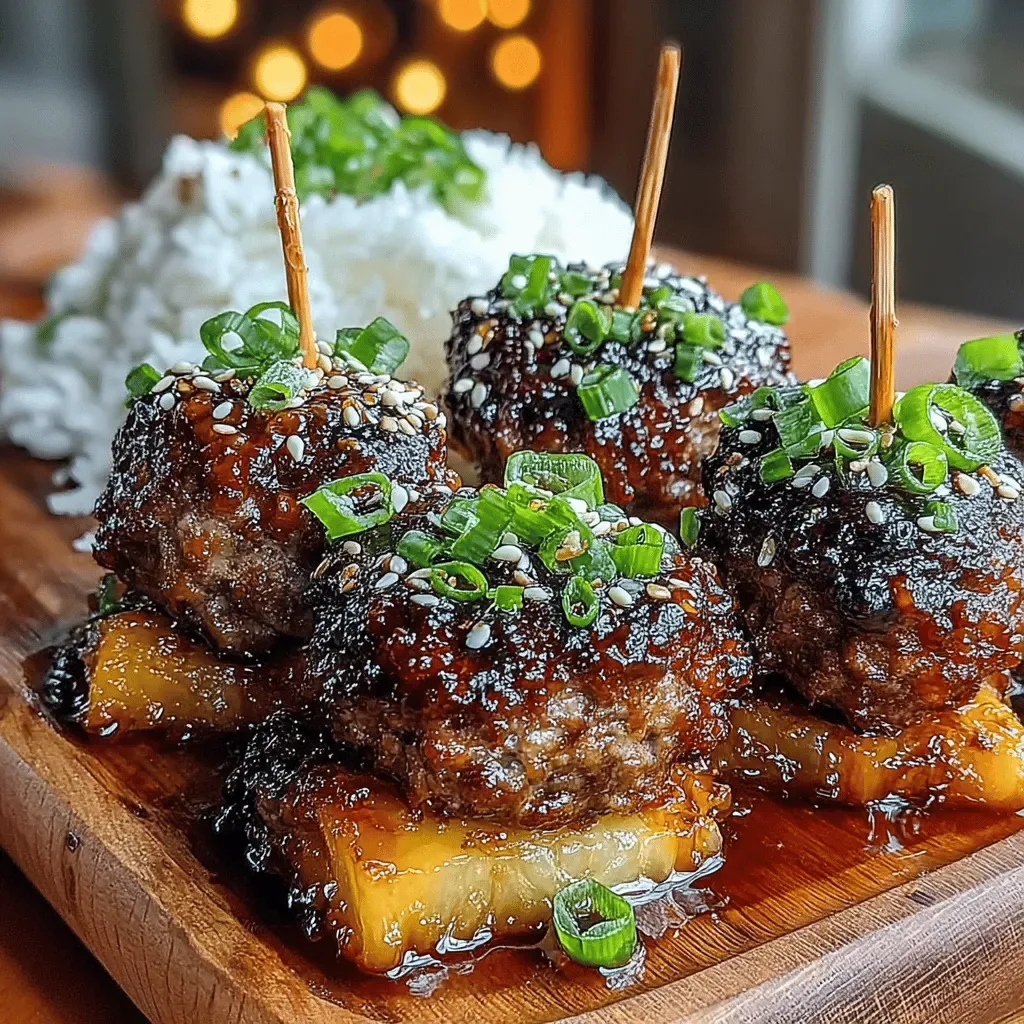
It was a crisp autumn afternoon when I first discovered the magic of balsamic‑infused flank steak. I was standing at the kitchen counter, the sunlight spilling through the window, and the scent of simmering garlic and mustard wafted from the pot like a promise. When I finally lifted the lid, a cloud of fragrant steam hit me, carrying notes of sweet‑tart balsamic and smoky paprika that made my mouth water instantly. That moment sparked a family tradition: every time the calendar flips to a new season, we gather around the grill, and the star of the show is always this juicy, caramel‑kissed flank steak.
What makes this dish so unforgettable is the balance between the tangy glaze and the robust, beefy flavor of the flank. The meat itself is lean, yet when you treat it right—marinating it in that glossy balsamic mixture and searing it just enough—you end up with a tender slice that practically melts on your tongue. Imagine the crackle of the grill, the sizzle as the sauce hits the hot surface, and the faint caramelization that forms a glossy crust—each bite is a symphony of texture and taste. And the best part? The recipe is simple enough for a weekday dinner but impressive enough to wow guests at a weekend gathering.
But wait—there’s a secret trick in step 4 that takes this from good to legendary, and I’m not going to give it away just yet. Have you ever wondered why restaurant‑style flank steak always seems to have that perfect pink center and a glossy finish? The answer lies in a few small details that most home cooks overlook, and I’m about to spill them all. From the exact temperature of the grill to the precise timing of the rest, each nuance adds a layer of depth that you’ll taste in every bite.
So grab a cutting board, a good bottle of balsamic vinegar, and let’s dive into a recipe that will become a staple in your kitchen. Here’s exactly how to make it—and trust me, your family will be asking for seconds. Ready? Let’s get started.
🌟 Why This Recipe Works
- Flavor Depth: The combination of balsamic vinegar and Dijon mustard creates a sweet‑tart glaze that penetrates the meat, delivering layers of complexity that evolve with each chew. As the steak cooks, the sugars caramelize, forming a glossy crust that locks in moisture.
- Texture Perfection: Flank steak is naturally lean, but the brief marination and high‑heat sear give it a tender, almost buttery bite while preserving a slight chew that keeps it interesting.
- Ease of Execution: With just a handful of pantry staples and a simple 45‑minute timeline, even a novice can achieve restaurant‑quality results without a steep learning curve.
- Time Efficiency: The marinating step can be done while you prep other dishes, and the cooking itself is quick—perfect for busy weeknights when you still crave something special.
- Versatility: This steak shines on its own, but it also pairs beautifully with salads, tacos, or sliced over a creamy polenta, making it adaptable to any menu you envision.
- Nutrition Boost: Lean protein from flank steak, heart‑healthy olive oil, and antioxidant‑rich garlic and paprika combine to create a balanced, nutrient‑dense meal that fuels both body and soul.
- Ingredient Quality: Each component—balsamic, mustard, garlic—brings its own character, and when sourced thoughtfully, the final dish sings with freshness and depth.
- Crowd‑Pleasing Factor: The glossy, caramelized exterior and juicy interior are universally appealing, making it a safe bet for picky eaters and food enthusiasts alike.
🥗 Ingredients Breakdown
The Foundation
The backbone of this recipe is the balsamic vinegar, a dark, syrupy liquid that brings a mellow sweetness and subtle acidity. Its natural sugars caramelize quickly, creating that coveted glossy crust on the steak. If you can’t find a high‑quality aged balsamic, a younger version works fine, but the depth of flavor will be less pronounced. Pair it with olive oil, which adds richness and helps the glaze coat the meat evenly while preventing the steak from sticking to the grill.
Aromatics & Spices
Garlic and freshly ground black pepper are the dynamic duo that awaken the palate. Garlic, when minced finely, releases allicin, giving the glaze a pungent, savory backbone that balances the sweet balsamic. The black pepper adds a gentle heat that lingers on the tongue, while paprika contributes a smoky undertone and a gorgeous reddish hue that makes the steak look as good as it tastes.
The Secret Weapons
Country‑style Dijon mustard is the unsung hero here. Its grainy texture and mild tang cut through the richness of the olive oil and amplify the balsamic’s fruitiness. Kosher salt, with its larger crystals, seasons the steak evenly and helps draw out moisture, which then mixes with the glaze for a self‑basting effect. Together, these ingredients create a harmonious marriage of sweet, sour, salty, and umami.
Finishing Touches
A final drizzle of extra‑virgin olive oil just before serving adds a silky mouthfeel, while a pinch of flaky sea salt on top provides a satisfying crunch. If you love a little herbaceous pop, a sprinkle of fresh rosemary or thyme can be tossed in during the last minute of cooking. These optional touches elevate the dish without complicating the core recipe.
With your ingredients prepped and ready, let's get cooking. Here’s where the fun really begins…
🍳 Step-by-Step Instructions
-
Begin by whisking together the ¼ cup balsamic vinegar, 1 tablespoon country‑style Dijon mustard, 2 minced garlic cloves, ½ teaspoon freshly ground black pepper, ½ teaspoon paprika, ½ cup olive oil, and 1 ½ teaspoons kosher salt in a medium bowl. The mixture should become glossy and slightly emulsified, with the garlic speckles visible throughout. Let the glaze sit for five minutes; this brief rest allows the flavors to meld and the salt to dissolve fully.
While the glaze rests, place the flank steak on a clean cutting board and pat it dry with paper towels. Drying the surface is crucial because moisture creates steam, which can prevent a proper sear. Once dry, flip the steak over and use a sharp knife to score the meat in a cross‑hatch pattern, being careful not to cut all the way through. This not only helps the glaze penetrate deeper but also creates a beautiful visual texture after cooking.
-
Transfer the steak to a resealable plastic bag or shallow dish and pour the entire balsamic mixture over it, ensuring every inch is coated. Seal the bag, removing as much air as possible, and massage the glaze into the meat for about a minute. Place the bag in the refrigerator and let it marinate for at least 30 minutes, but if you have the luxury of time, 2‑4 hours yields a more pronounced flavor.
Here’s the thing: the longer the steak sits in the glaze, the more the acid begins to break down connective tissue, resulting in a tender bite that’s hard to achieve with a quick sear alone.
💡 Pro Tip: If you’re short on time, set a timer for 15 minutes and turn the steak occasionally in the bag; even a short, active marination helps the flavors adhere. -
Preheat a grill or cast‑iron skillet over medium‑high heat until it’s hot enough that a few drops of water sizzle and evaporate instantly. While the grill heats, remove the steak from the refrigerator and let it sit at room temperature for about 10 minutes; this prevents a cold shock that can cause uneven cooking.
Just before placing the steak on the grill, brush the cooking surface lightly with a thin layer of olive oil to prevent sticking. The grill should emit a steady, low roar—this is the sound of a perfect sear forming.
-
Lay the steak on the grill at a slight angle to achieve those classic grill marks. Cook for 4‑5 minutes without moving it, allowing the caramelized crust to form. You’ll know it’s ready to flip when the edges start to turn a deep mahogany color and the meat releases easily from the grill grates.
Flip the steak using tongs, and cook the other side for another 4‑5 minutes for medium‑rare (internal temperature of 130‑135°F). If you prefer medium, add an extra 2‑3 minutes per side. The glaze will bubble and thicken, creating a glossy sheen that clings to the meat.
⚠️ Common Mistake: Pressing down on the steak with a spatula squeezes out the juices, leading to a dry result. Let it rest; the juices will redistribute naturally. -
Once the steak reaches your desired doneness, transfer it to a clean cutting board and tent it loosely with aluminum foil. Resting for 8‑10 minutes is essential; during this time the internal temperature continues to rise slightly, and the fibers relax, making the meat easier to slice.
While the steak rests, pour any remaining glaze from the pan into a small saucepan and simmer over low heat for 2‑3 minutes, stirring occasionally. This concentrates the flavors even further and creates a sauce you can drizzle over the sliced steak for an extra punch.
💡 Pro Tip: Add a teaspoon of butter to the simmering glaze at the end; it adds a velvety finish and rounds out the acidity. -
Slice the steak against the grain into thin strips, about ¼‑inch thick. Cutting against the grain shortens the muscle fibers, ensuring each bite feels tender rather than chewy. As you slice, you’ll notice the interior is a beautiful pink with a faint blush of red—exactly the texture we were aiming for.
Arrange the slices on a serving platter, drizzle the reduced glaze over the top, and finish with a light sprinkle of flaky sea salt and a drizzle of fresh olive oil. The glaze should pool slightly, creating a glossy pool that invites you to dip each slice.
-
Serve the steak alongside your favorite sides—think roasted vegetables, a crisp arugula salad, or creamy mashed potatoes. The acidity of the glaze pairs wonderfully with earthy flavors, balancing the richness of the steak.
Now, here's where the fun really begins: invite your family to the table, watch their eyes light up as they take that first bite, and listen for the chorus of “more, please!” that follows. Trust me on this one, the compliments will keep coming.
💡 Pro Tip: Warm the serving platter in the oven for a minute before plating; the residual heat keeps the steak sizzling longer. -
Finally, store any leftovers in an airtight container. The steak reheats beautifully when sliced thin and warmed gently in a skillet with a splash of water or broth, preserving its juiciness.
And that’s it—your balsamic flank steak is ready to become the centerpiece of countless meals, from casual weeknight dinners to celebratory feasts. But before you dig in, let me share some tips that will take this from great to absolutely unforgettable…
🔐 Expert Tips for Perfect Results
The Taste Test Trick
Before you commit to the final sear, dip a tiny spoonful of the glaze into a piece of raw steak and taste it. If the balance feels off—perhaps too acidic or overly salty—adjust with a pinch more salt or a drizzle of honey. This quick test saves you from a bland or overly sharp final product, and it’s a habit that seasoned chefs swear by.
Why Resting Time Matters More Than You Think
Resting isn’t just a polite pause; it’s a scientific process where the muscle fibers relax and the juices redistribute. Skipping this step can cause the juices to spill out the moment you cut, leaving the steak dry. I once served a steak straight off the grill, and the disappointment was palpable—never again.
The Seasoning Secret Pros Won’t Tell You
Instead of sprinkling salt only on the surface, rub a thin layer of kosher salt into the meat’s crevices during the scoring step. The salt penetrates deeper, enhancing flavor from the inside out. This technique is a subtle game‑changer that elevates the overall taste profile.
Grill Temperature Mastery
A medium‑high heat (around 400‑450°F) is ideal for achieving that caramelized crust without overcooking the interior. If the grill is too hot, the glaze can burn before the steak cooks through; too low, and you miss the beautiful char. Use an infrared thermometer for precision, or simply hold your hand an inch above the grill—if you can keep it there for 2‑3 seconds, you’re in the sweet spot.
The Butter Finish
A final pat of butter melted into the reduced glaze adds a luxurious mouthfeel and rounds out the acidity. I once added a knob of smoked butter, and the subtle smokiness transformed the dish into something truly unforgettable. Try it next time and notice the difference.
🌈 Delicious Variations to Try
One of my favorite things about this recipe is how versatile it is. Here are some twists I’ve tried and loved:
Maple‑Balsamic Fusion
Swap half of the balsamic vinegar for pure maple syrup. The result is a sweeter glaze with caramel notes that pair beautifully with the smoky paprika. It’s perfect for a brunch‑style dinner when you want a touch of breakfast nostalgia.
Spicy Chipotle Kick
Add a teaspoon of chipotle powder or a minced chipotle pepper in adobo sauce to the marinade. The smoky heat cuts through the richness of the steak, creating a bold flavor profile that’s ideal for taco night.
Herb‑Infused Elegance
Stir in a tablespoon of chopped fresh rosemary and thyme into the glaze before marinating. The herbs infuse the steak with an earthy aroma that complements the sweet acidity of the balsamic, making it a great match for roasted potatoes.
Asian‑Style Soy‑Balsamic
Replace half of the olive oil with sesame oil and add a splash of low‑sodium soy sauce to the mixture. This gives the steak an umami‑rich, slightly nutty finish, perfect when served over jasmine rice or noodles.
Mediterranean Citrus Twist
Incorporate zest of orange and a tablespoon of fresh orange juice into the glaze. The citrus brightens the dish, making it a refreshing summer option that pairs well with a cucumber‑tomato salad.
Garlic‑Infused Butter Finish
After cooking, melt a knob of garlic‑butter and drizzle it over the sliced steak. The buttery richness amplifies the garlic notes already present in the glaze, delivering a decadent finish that’s hard to resist.
📦 Storage & Reheating Tips
Refrigerator Storage
Place any leftover steak in an airtight container and store it in the refrigerator for up to three days. For best texture, keep the glaze separate and add it just before reheating; this prevents the meat from becoming soggy.
Freezing Instructions
Slice the steak thinly, then layer the pieces with parchment paper in a freezer‑safe bag. Freeze for up to two months. When you’re ready to enjoy, thaw overnight in the fridge and reheat gently to preserve tenderness.
Reheating Methods
The trick to reheating without drying it out? A splash of water or broth in a skillet over medium‑low heat, covered for a few minutes, then finish with a quick sear to revive the caramelized crust. Alternatively, a brief 30‑second burst in a preheated oven (350°F) works well if you’re reheating a larger portion.